
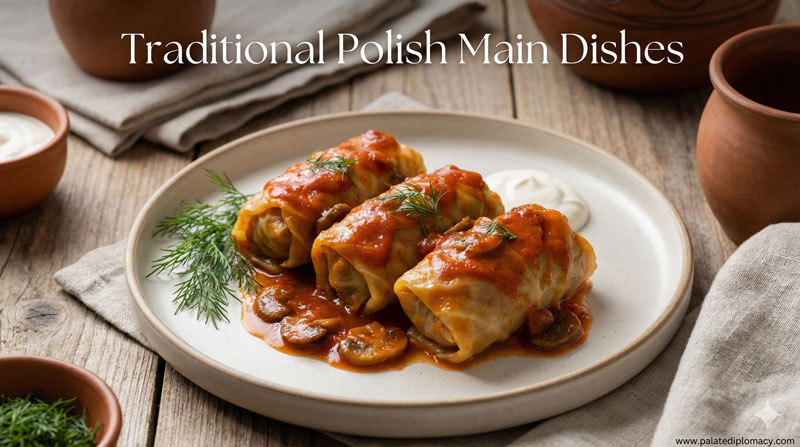
What Makes Zrazy So Popular in Polish Cuisine
Zrazy are a beloved voice in Polish cooking. They bring together tender meat, savory fillings, and a silky sauce in a single, satisfying package. The dish feels at once humble and generous, a testament to home kitchens and careful hands. People return to zrazy for the comforting texture, balanced flavors, and the sense of nourishment they inspire. This dish has a place at everyday meals and on festive tables, where it speaks of patience, skill, and care.
Craft and Technique Behind Zrazy
The magic starts with good technique. A thin cut of meat is seasoned and laid flat, ready to cradle a thoughtful filling. The filling is chosen for aroma and balance, then tucked inside with a gentle, confident roll. The roll is tied or skewered to hold its shape, sealed with a quick sear to trap juices. After searing, zrazy braise slowly in a flavorful liquid until the meat becomes tender and the filling melds with the sauce. The result is a uniform bite: crisp on the outside, tender inside, and rich with character.
Flavor and Fillings: A Palette Across Regions
Zrazy offer a palette of flavors that reflect regional preferences and seasonal ingredients. Common fillings include mushrooms, caramelized onions, and slices of bacon for depth. Some versions pair beef with pickled cucumber or sauerkraut for a bright tang. Others celebrate eggs, creating a creamy interior that contrasts with the meat. Fresh herbs, such as dill or parsley, lift the dish with a gentle aroma. In every variation, the fillings are balanced to complement the meat and the braising sauce rather than overwhelm it.
- Ground or sliced beef wrapped around onions or mushrooms
- Bacon or pancetta for a smoky note
- Hard-boiled egg for richness
- Pickled cucumber or sauerkraut for brightness
- Fresh herbs to finish with fragrance
These combinations highlight how zrazy can adapt to available ingredients while preserving a familiar, comforting core.
The Social Side: Meals, Gatherings, and Traditions
Zrazy shine at family tables and seasonal gatherings. They arrive on plates that carry the warmth of home kitchens and the care of practiced hands. The dish pairs wonderfully with simple staples like potatoes, mashed roots, or dumplings, making it a flexible centerpiece for a shared meal. Preparing zrazy often becomes a small ritual: selecting ingredients, assembling the rolls, and watching the braise gently transform. The result is communal joy—food that invites conversation, memory, and appreciation for craft.
Presentation and Respect: Serving Zrazy
Serving zrazy is an act of hospitality. Slices are arranged to reveal the layered filling, a color contrast that invites the eye as well as the palate. A bright, herbaceous garnish and a ladle of sauce complete the plate. The presentation emphasizes care and balance, reinforcing the idea that good food respects both the ingredients and the people at the table. Shared meals become moments of connection, with zrazy playing a central, comforting role.
Modern Variations: Keeping Tradition Alive
Chefs and home cooks alike keep zrazy thriving by honoring the technique while welcoming small innovations. Some cooks experiment with lighter sauces or alternative fillings, yet the core idea remains: a well-wrapped roll that braises to tenderness. Regional twists continue to emerge, celebrating local mushrooms, herbs, or cured meats. These modern adaptations show how a Traditional Dish can stay relevant, inviting new generations to savor its essence without losing its roots.
Conclusion: The Quiet Charm of Zrazy
Zrazy stand out in Polish Cuisine for their elegant simplicity and their generous spirit. They embody care, craftsmanship, and the joy of shared meals. The dish teaches patience in preparation and balance in flavor, while inviting a bright, comforting presence at the table. In every bite, zrazy reveal a cultural value: the beauty of turning simple ingredients into something deeply satisfying through skill, respect, and communal eating.