
What Makes Zrazy So Popular in Polish Cuisine
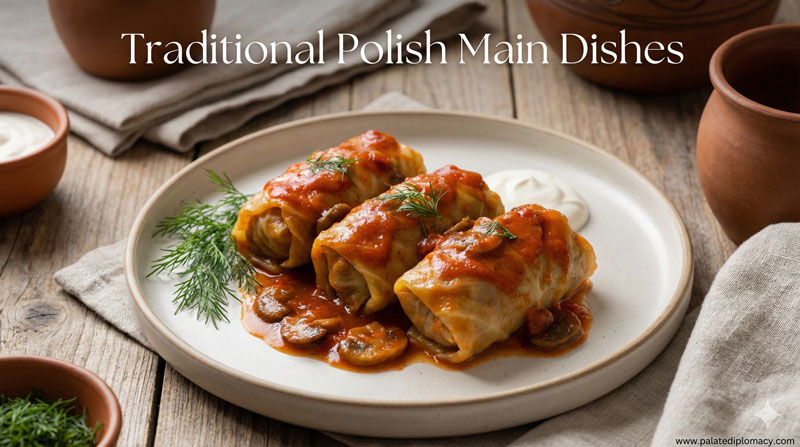
Zrazy, the rolled cuts of meat filled with savory ingredients, hold a warm and enduring place in Polish cuisine. They are more than a dish; they are a reflection of care, craftsmanship, and shared meals. The popularity of zrazy comes from a blend of technique, flavor harmony, and the way they bring families and communities together around the table. This post highlights the cultural value and culinary significance of zrazy in a welcoming, respectful voice.
The Craft Behind Zrazy
The essence of zrazy lies in balance and technique. Thin slices of beef are prepared with care—pounded to an even thickness, seasoned simply, and fortified with a thoughtful filling. Common fillings include smoky bacon or ham, tangy pickles, sautéed onions, and sometimes a slice of hard-boiled egg. Some regions favor mushrooms or a touch of fruit, adding a gentle sweetness or earthy note. The meat is then rolled tightly, secured, and browned before it braises in a rich broth or sauce. This method showcases a quiet mastery: it requires even execution, patience, and an eye for how ingredients will meld during slow cooking. The result is a tender, juicy interior wrapped in a harmonious exterior, a testament to careful technique and restraint in seasoning.
Regional Voices Across Poland
Across regions, zrazy take on subtle twists that celebrate local ingredients and preferences. In some areas, the filling leans toward smoky, cured notes from bacon, while others emphasize a crisp bite from pickles and onions. The sauce itself also varies, from a simple beef gravy to a deeper mushroom or onion sauce that coats the roll with depth. These variations are not about competition but about listening to what is abundant and beloved in a given place. The diversity of fillings and sauces shows how a single concept can be adapted to fit different soils, kitchens, and seasons, while preserving the core idea of a rolled, braised piece of meat.
Family Tables and Seasonal Rhythm
Zrazy carry a strong sense of home and family. They are often prepared for Sunday meals, family gatherings, and special occasions when cooks have time to favor technique over speed. The dish invites cooperation: one person prepares the filling, another tightens and ties the rolls, and a third manages the simmering sauce. This collaborative rhythm mirrors the Polish kitchen’s spirit—recipes passed down through generations, refined with each new hand, and shared with warmth. The care invested in zrazy mirrors the value placed on hospitality and togetherness, turning a humble cut of meat into a memorable dining moment.
Flavor, Texture, and Culinary Significance
Zrazy are prized for texture as much as taste. The beef remains tender and moist inside a snug wrap, while the exterior browns to a gentle crust. The filling contributes bursts of smoky, tangy, and savory flavors that unfold with every bite. The sauce ties everything together, enriching the meat without overpowering it. This balance mirrors a broader Polish culinary aim: to create meals that are comforting and satisfying, yet refined enough to feel special. In this way zrazy represent a harmony of simplicity and craft, a hallmark of everyday elegance in Polish cooking.
Pairings and Serving Traditions
A classic pairing for zrazy is earthy mashed potatoes, which soak up the sauce and complement the richness of the meat and filling. Cabbage or beet salads, lightly dressed, provide a crisp counterpoint to the tenderness of the rolls. A side of braised red cabbage adds both color and brightness. Fresh herbs, such as parsley or dill, brighten the plate without stealing focus from the main stars. The presentation is welcoming and straightforward, inviting generous portions and shared spoons and forks around a family table.
A Path to Mastery: Techniques for Home Cooks
For home cooks, zrazy offer a rewarding project that builds confidence and skill. Start with a good, thinly sliced meat cut and a filling that balances salty, sweet, and acidic elements. Keep the filling compact, so the roll holds its shape during cooking. Sear the rolls lightly to develop color, then braise slowly in a flavorful liquid. Check tenderness with a fork, and allow the sauce to thicken to coat each piece. Resting the finished rolls briefly before serving helps the juices settle. The beauty of zrazy is that small adjustments in filling, seasoning, or sauce can elevate the dish, making it a personal expression of home cooking.
The Cultural Value of Zrazy
Zrazy symbolize a cultivated approach to food: respect for ingredients, patience in technique, and joy in sharing. They illustrate How Polish kitchens transform simple components into something larger than the sum of its parts. Each step—from selecting the meat to braising the rolls—echoes a dedication to cooking as a caring practice. The dish also serves as a bridge between generations, as families refine time-honored fillings and the next generation learns the craft by watching and participating. In this way, zrazy are not just a meal; they are a living thread in the tapestry of Polish food culture.
Conclusion: A Dish that Speaks of Culture and Craft
What makes zrazy Popular in Polish cuisine is their ability to combine technique, regional variety, and heartfelt sharing. They honor simple, well-chosen ingredients and elevate them through careful preparation and slow cooking. Whether enjoyed on a bustling weekday or a quiet Sunday, zrazy remind us of the joy of cooking as a communal art form. They invite cooks to practice patience, to listen to the ingredients, and to welcome family and friends to the table. In every roll and in every pan-simmered sauce, zrazy celebrate the beauty of Polish culinary culture and its enduring love for warmth, texture, and flavor.