
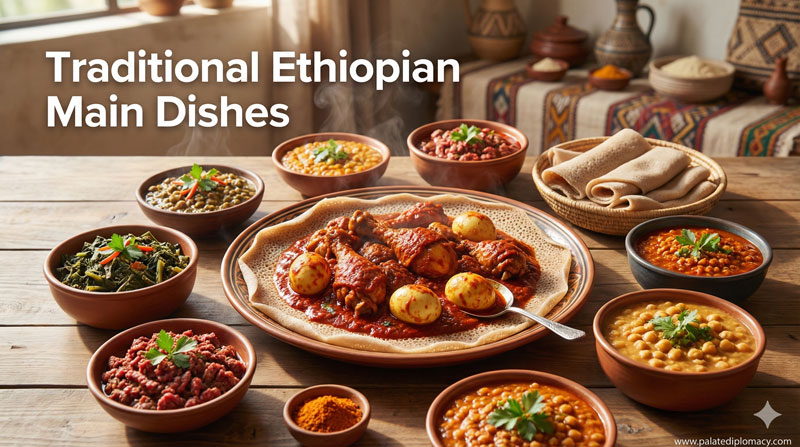
Introduction to Zilzil Tibs and Ethiopian Food Culture
Zilzil Tibs is a bright, sizzling dish that invites the senses. Finely chopped meat flashes in a hot pan with onions, peppers, and a chorus of spices. In Ethiopian kitchens, this dish celebrates technique, aroma, and the joy of sharing a meal. Its place in the daily and festive table shows how cooking can honor family, season, and region. By exploring Zilzil Tibs, we glimpse a culture that values warmth, craftsmanship, and the beauty of communal eating.
What Is Zilzil Tibs?
Zilzil Tibs is a lively variation of tibs, crafted from small, crisp pieces of meat. The name “zilzil” hints at the texture—little crackling bits that sing when they hit the pan. Cooks finish the dish with butter or a buttery oil, letting the spices bloom and the meat develop a glossy glaze. The core ingredients—meat, onions, peppers, and berbere spice—come together quickly. This speed preserves bright flavors and a delicate balance between heat, savory depth, and sweetness. The result is a dish that feels both familiar and exciting.
The Technique Behind Zilzil Tibs
The magic starts with a hot pan. Sliced onions release aroma as they hit the oil, followed by minced meat that sizzles and browns rapidly. Berbere and other spices are added to wake the pan and layer flavor. Pepper pieces bring color and a gentle bite. Finally, the cook folds in a touch of niter kibbeh or butter, which rounds the heat and invites a silky finish. The technique emphasizes timing and texture: meat should be tender yet crisp, onions should glisten, and spices should perfume the air. Clear transitions from sear to glaze create a dish that feels alive on the plate.
Cultural Significance: Hospitality, Sharing, and Everyday Craft
In Ethiopian food culture, meals are gatherings. Zilzil Tibs embodies this spirit through its role in communal eating. A shared platter of injera often anchors the table, with Zilzil Tibs laid atop or alongside pieces of bread-like injera. Diners tear off a piece of injera, scoop up the sizzling meat, and pass it around with smiles and conversation. This practice highlights hospitality as a daily practice, not just a special occasion. The dish also honors skill and patience: cooks balance fire, spice, and timing to arrive at a dish that feels both bold and refined. Each bite echoes the culture’s appreciation for balance—between heat and aroma, between meat and spice, between individual flavor and communal experience.
Flavor Palette and Ingredients That Reflect Ethiopian Cooking
Zilzil Tibs showcases a signature Ethiopian flavor profile. Berbere brings warmth and depth, with cumin, coriander, fenugreek, and chili contributing layers of aroma. Niter kibbeh, a spiced clarified butter, lends a velvety richness that binds the dish together. Onions provide sweetness, while peppers offer brightness and a gentle sting. The result is a cohesive harmony where bold spices, succulent meat, and gentle butter work in concert. This balance mirrors the broader Ethiopian approach to cooking, where we savor intensity without overpowering subtler notes.
Serving Traditions and Etiquette
Serving Zilzil Tibs centers on shared enjoyment. Meals begin with warmth and table presence. Diners typically scoop the sizzling pieces onto injera, using the bread to scoop up meat and sauce. Conversation flows as the dish is passed from person to person, and everyone participates in the rhythm of the meal. The dish often appears on the table at family gatherings, markets, and restaurant meals that celebrate everyday life. The act of sharing reinforces social bonds and shows respect for cooks, hosts, and guests. This ritual is as much a part of the experience as the flavors themselves.
Zilzil Tibs in Homes and Restaurants
In homes, Zilzil Tibs is a dish of accessibility and comfort. It can be prepared for a family dinner or a festive Sunday meal, then served with pride. In restaurants, the same dish offers a bridge between tradition and modern dining. Chefs may present it with careful plating or keep it rustic on a sizzling platter, allowing guests to appreciate the hiss and aroma as it arrives. Across settings, the dish demonstrates how Ethiopian cooks adapt techniques to different kitchens while preserving core flavors and the joy of shared eating.
The Beauty of Ethiopian Food Culture Reflected in Zilzil Tibs
Zilzil Tibs reflects a culture that values craft, warmth, and community. The dish honors careful knife work, precise timing, and the brave use of spices. It also honors hospitality—the idea that a meal is a moment to connect, to welcome, and to celebrate togetherness. The combination of technique, color, and aroma makes Zilzil Tibs a sensory invitation to Ethiopian Cuisine. It stands as a tasty ambassador for the broader philosophy of Ethiopian cooking: simple ingredients transformed by skill into something memorable and inviting.
Conclusion: A Dish That Speaks of Place and People
Zilzil Tibs is more than a recipe. It is a doorway into Ethiopian food culture, where fire, spice, and generosity meet on the table. The dish teaches us about balance, pace, and sharing. It invites cooks to honor ingredients and guests with care and clarity. In every sizzling bite, we taste a culture that treasures communal meals, confident technique, and the joy of good company. If you are curious about Ethiopian flavors, Zilzil Tibs offers a warm, delicious introduction to the beauty of this culinary tradition.