
Introduction
Zilzil Tibs is a dish that sings with heat, aroma, and social warmth. The name itself evokes the sizzling sound that marks its moment of transformation in the pan. This is a dish that centers meat, onions, and peppers, cooked quickly to keep the flavors bright and fresh. Yet its reach goes far beyond taste. Zilzil Tibs holds a special place in the rhythm of gatherings, a culinary signal that friends and family are together. The plates often arrive with injera, the soft, sour bread that soaks up the sauce. In many kitchens, the moment of serving Zilzil Tibs becomes a shared welcome, inviting everyone to pause, smile, and eat.
What is Zilzil Tibs?
Zilzil Tibs is a sizzling variation of tibs, a beloved Ethiopian preparation. Cooks sear bite-sized meat with onions, garlic, and peppers in a hot pan. They finish the dish with a touch of spice, often from berbere, and a splash of seasoning that brings brightness to the meat. The result is a colorful dish with crisp edges, juicy center, and a lively sauce. The name, meaning “sizzling tibs,” celebrates both technique and sensory delight. It is versatile: beef, lamb, or goat can become the star, with regional and household twists that honor personal taste and seasonal ingredients.
The Sizzle: Technique and Flavor
The hallmark of Zilzil Tibs is the high-heat, fast sauté. Cooks begin with sliced onions and garlic, add meat, and sear until the edges develop caramel color and a slight crust. Peppers join in for color and freshness, followed by spices that lift the dish without dulling the meat’s character. A final drizzle of clarified butter or oil seals the flavors and enriches the aroma. The sizzle is not merely sound; it signals a balance of savory meat, sweet onions, and peppery brightness. Served over or beside injera, the dish invites dipping and tearing, turning every bite into a cooperative, flavorful moment.
Cultural Value and Hospitality
Zilzil Tibs shines as a representation of culinary hospitality. In many homes, preparing this dish becomes a deliberate invitation to share space and time. The sizzling sounds warm the room; conversations slow to a comfortable pace as plates pass around. The dish embodies a culture that values generosity, seasonality, and craft. It shows how quick-fire cooking can harmonize with tradition, creating a bridge between everyday meals and special occasions. The experience of eating Zilzil Tibs, with injera to scoop and savor, reinforces a sense of belonging and care.
Serving, Pairings, and Traditions
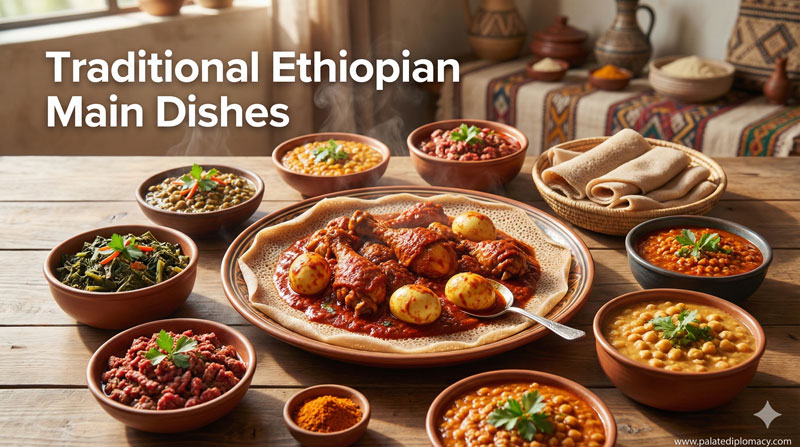
Traditionally, Zilzil Tibs is served with injera, allowing diners to use the bread as edible utensils. The combination offers a savory, tangy contrast that highlights the spices and the meat’s juiciness. Side salads, lentil dishes, or a simple tomato salad often accompany the main plate, providing balance and color. Fresh herbs may finish the dish, adding a bright lift. The moment of serving becomes a small ceremony: the pan is presented, steam rises, and the table leans in together. This ritual strengthens the shared character of the meal and the pleasure of good company.
Variations and Practical Tips
Variations exist across households and regions. Some cooks prefer beef for a rich, robust bite; others choose lamb or goat for a lighter texture. Spice levels range from mild to boldly peppery, adjusted with berbere or other chili blends. For a vegetarian twist, mushrooms or tofu can stand in for meat, still capturing the sizzle and the savory depth. Tips for home cooks include: use a wide, heavy pan for even searing; keep ingredients close at hand to maintain the high heat; and finish with a small amount of butter for gloss and aroma. A quick squeeze of lemon or a dash of fresh herbs can brighten the final plate, making every spoonful feel fresh and vivid.
Final Reflections
Zilzil Tibs celebrates the artistry of quick-cook technique and the heart of communal dining. It invites cooks to honor tradition while embracing flexibility in ingredients and spice. The dish stands as a bright, flavorful ambassador of Ethiopian culinary culture—an ode to sizzling sound, shared plates, and the simple joy of gathering to eat well.