
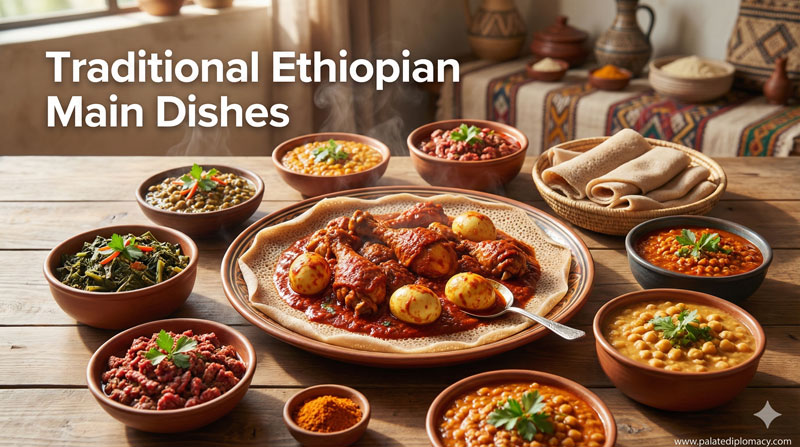
Introduction
This post offers Everything You Need to Know About Zilzil Tibs. Zilzil Tibs is a sizzling, celebratory dish that shines in Ethiopian Cuisine. It blends bold flavors with a warm, inviting presence at the table. The name itself echoes the sound and energy of the cooking moment. Readers will discover how this dish carries culture, craft, and care from kitchen to shared meal.
What is Zilzil Tibs?
First, zilzil tibs are thin, tender strips of meat—usually beef or lamb—seared quickly on a hot, seasoned pan. The sizzle comes from the pan’s heat and a touch of fat. Next, cooks layer aromatics like onions, garlic, and peppers, then weave in spices such as berbere or mitmita. The result is a bright, peppery, and deeply savory dish. Finally, it lands on the table with injera or flatbread to scoop up every flavorful bite.
Cultural Value and Significance
Zilzil Tibs holds a central place in Ethiopian food culture. It invites people to gather, share, and celebrate together. The dish embodies hospitality, warmth, and the joy of good company. The sizzling sound and inviting aroma create a familiar ritual that marks special occasions and everyday meals alike. In short, zilzil tibs is more than food; it is a memory maker that strengthens family and community ties.
Key Ingredients and Techniques
Beef or lamb anchors the dish, cut into thin strips for fast cooking. Widely used seasonings include onions, garlic, and ginger for depth, plus peppers for brightness. Berbere or mitmita spice blends provide the heat and complexity. Fat such as niter kibbeh or neutral oil helps create a crisp exterior while keeping the meat juicy. The technique emphasizes high heat and quick cooking to preserve tenderness and achieve a satisfying sizzle.
Serving Traditions and Accompaniments
Traditionally, zilzil tibs arrives steaming on a hot platter. It is commonly shared with injera, the soft teff flatbread, which acts as both utensil and accompaniment. The combination of meat, bread, and fresh sides like tomato, cucumber, or leafy greens creates a balanced plate. Beverages range from mild to bold flavors, chosen to complement the spice and aroma. The meal invites conversation, laughter, and slow, appreciative tasting.
Regional Variations and Personal Touches
Across households, cooks add their own touches to zilzil tibs. Some prefer sharper berbere heat, others favor a milder profile with extra onions. Variations may include different cuts or additions like tomato paste, fresh herbs, or a splash of citrus. Each family or chef adds a personal touch, making zilzil tibs a living reflection of place and taste.
The Dining Experience: Etiquette and Atmosphere
Sharing a sizzling dish creates a warm dining atmosphere. Guests watch the pan, listen for the crackle, and savor the aroma before tasting. This sense of anticipation complements the act of serving injera and dipping into the flavorful meat. The experience emphasizes generosity, patience, and gratitude for good food and good company.
Tips to Enjoy Zilzil Tibs at Home
First, use a heavy skillet or cast iron and preheat until it is very hot. Then add fat and meat in a single layer to achieve a good sear without steaming. Next, add onions and peppers to build aroma and texture, cooking briefly to keep crisp edges. Finally, adjust spice gradually and let the dish rest a moment before serving with injera. If you crave more nuance, try a touch of fresh lemon juice or herbs at the end.
Final Thoughts
Zilzil Tibs beautifully demonstrates how technique, spice, and sharing elevate a dish. Its sizzling sound, bright flavors, and communal spirit make it a beloved part of Ethiopian culinary culture. By focusing on preparation, aroma, and togetherness, you can appreciate zilzil tibs as more than a meal—it is a celebration of craft, hospitality, and tradition.