
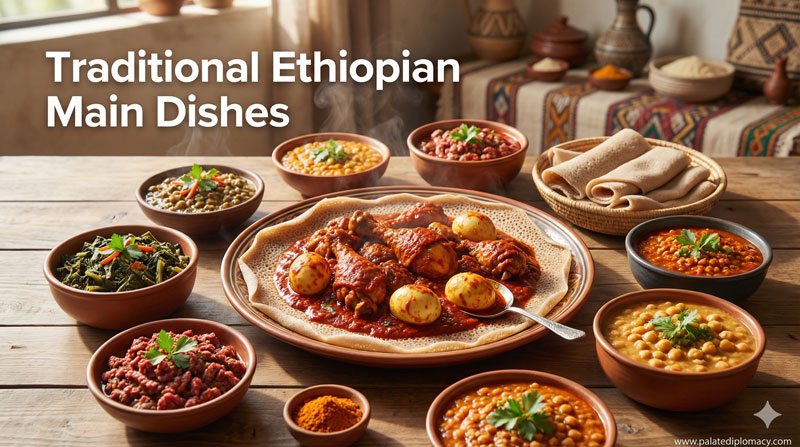
How Zilzil Tibs Became Popular in Ethiopian Cuisine
Zilzil tibs is a vibrant minced-meat version of the classic Ethiopian dish tibs. It rose in popularity because it is fast to cook, lively on the plate, and easy to share. In many homes, it became a heartbeat dish for weekend gatherings and quick weeknight meals alike. The sizzling sound, the bright color of onions, and the warm aroma draw people to the table. In short, zilzil tibs speaks with a clear culinary voice in Ethiopian Cuisine. The dish invites curiosity from cooks of all ages and backgrounds, inviting them to explore texture, spice, and balance.
The Heart of Zilzil Tibs: Ingredients and Flavor
The core is minced beef or lamb, handled gently to stay juicy. Onions lead the flavor, with garlic and ginger adding depth. Berbere spice brings warmth and a distinctive heat. Some cooks add bell peppers or spring chiles for color and texture. A splash of lemon or lime brightens the finish. Fresh herbs or a touch of tomato can deepen the sauce and add brightness. The result is a bright, savory, and comforting taste that pairs beautifully with injera. This combination creates a sensory moment that cooks remember long after the meal ends.
The Technique: From Sizzle to Aroma
Start with a hot pan or clay skillet. Add fat, then onions and a pinch of salt to melt them sweetly. Add the minced meat and let it sear, not steam, so the edges brown. Stir in garlic, ginger, and berbere. Cook quickly to preserve tenderness and color. Add peppers and a light tang of citrus toward the end. The seal of aroma comes from careful timing and steady heat. When finished, the dish shines with a glossy glaze and a welcoming scent.
Cultural Significance: Hospitality and Shared Moments
Zilzil tibs embodies Ethiopian hospitality. The dish invites sharing, with rounds of injera passed around the table. It appears in family feasts, casual lunches, and celebratory meals alike. The act of gathering, tearing bread, and dipping into the sauce creates a sense of belonging. The dish also shows skill in balancing spice, acid, and sweetness, reflecting careful, attentive cooking. It becomes a cue for conversation, laughter, and slow enjoyment of every bite. In this way, zilzil tibs becomes more than food; it becomes a shared memory.
Evolution within Ethiopian Cuisine
Over time, zilzil tibs moved from homes to cafes and restaurants. Chefs adapt the spice level to taste and season, yet the essence remains: fast, flavorful, and social. The dish demonstrates how simple ingredients can become expressive food, carrying tradition into everyday life. It also pairs well with a variety of Side Dishes, keeping it versatile on the table. Regional preferences shape the dish, adding nuances without changing its core identity. This evolution keeps the dish fresh while honoring its roots.
Serving Traditions and Pairings
Serve zilzil tibs on injera, with a small bowl of mild salad and a wedge of lemon. Common accompaniments include timatim (tomato salad) and ayib (fresh cheese). A cup of coffee or a fragrant tea can accompany the meal, enhancing conversation and enjoyment. The presentation, with bright onion rings and pepper flakes, adds visual warmth to the table. Diners often scoop with their fingers or a piece of injera, savoring the texture as the sauce clings to every bite. The dish shines as a centerpiece that invites everyone to participate.
A Welcoming Finale: Why Zilzil Tibs Endures
Its popularity endures because it is approachable and celebratory. It respects tradition while inviting personal twists. The dish remains a vehicle for sharing, storytelling, and the joy of cooking. Zilzil tibs is not just food; it is a living thread in Ethiopian cuisine that keeps the flavors bright and the table inviting. As cooks refine technique and as families welcome new guests, the dish grows richer, carrying cultural value from one home to the next.