
The Sizzling Heart of Ethiopian Dining
Zilzil Tibs is a beloved Ethiopian dish that enchants with its sizzling sound and rich, warming flavors. The name itself invites curiosity: zilzil evokes the crackle of a hot skillet as meat meets spice. In many homes, this dish marks a moment of togetherness, a time to share stories as food circulates around the table. The dish sits at the center of Ethiopian hospitality, inviting conversations, laughter, and a sense of belonging.
What Makes Zilzil Tibs Special
Zilzil Tibs stands out for its lively presentation and balanced taste. Strips of beef—or sometimes lamb—are quickly seared in a seasoned fat, often niter kebbeh, which carries a sweet, spicy aroma. Onions, peppers, and tomatoes join the meat, releasing a luminous sauce that clings to every bite. The berbere spice blend gives a warm heat with smoky depth, while garlic and sometimes a touch of fresh chilies add brightness. The result is a dish that hints at fire and flavor, yet remains comforting and accessible to share.
The Sizzle: Technique and Flavor
The magic begins with a hot skillet that creates an audible, appetizing crackle. The meat hits the pan and sears rapidly, locking in juices and building color. Niter kebbeh—a spiced clarified butter—adds perfume and depth, so the aroma lingers long after the first bite. The vegetables soften just enough to release their sweetness, balancing the heat of berbere. The sauce reduces to a glossy glaze that coats the meat and vegetables. This technique highlights the dish’s contrast: bold spice, bright vegetables, and a buttery finish.
Cultural Value: Shared Meals and Everyday Rituals
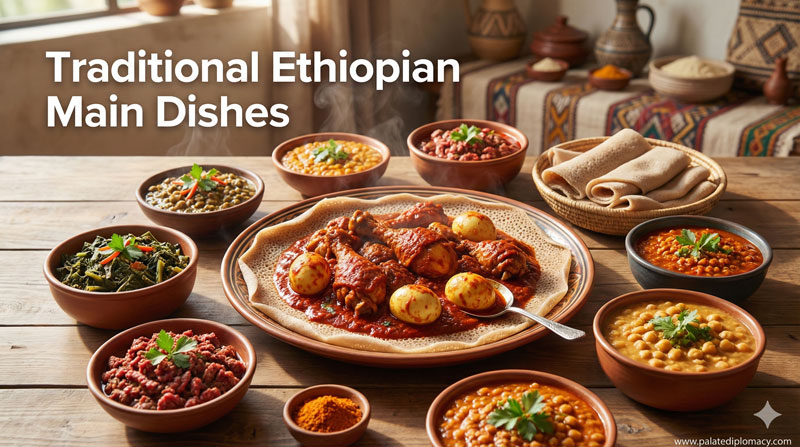
Zilzil Tibs embodies a core idea in Ethiopian dining: food is a bridge that brings people together. The dish is frequently shared from a central platter, inviting everyone at the table to take a piece and pass it along. Injera, the sour flatbread, often accompanies the meal; diners use the edge of injera to scoop up bites, turning each mouthful into a communal ritual. This pattern—eat, share, smile, and continue—turns a simple supper into a memorable social moment. Through these practices, Zilzil Tibs becomes more than sustenance; it becomes a thread that ties generations and households in daily life.
Pairings and Serving Traditions
Zilzil Tibs shines when paired with injera, which acts as both plate and utensil. A touch of fresh herbs or lemon can brighten the dish just before serving, and a side of ayib (fresh cheese) or diced tomatoes can add contrast. In many homes, this dish is prepared for family gatherings, weekend meals, or celebrations, where a sizzling skillet on the table welcomes guests to linger and converse. The sensory richness—the crackle, the scent of spice, the glossy sauce—offers a doorway into Ethiopian culinary storytelling.
A Gentle Reflection on Craft and Culture
The beauty of Zilzil Tibs lies in its balance: bold spice, comforting fat, crisp vegetables, and a social rhythm of sharing. It honors skilled technique while inviting everyday cooks to participate, experiment, and adapt with local ingredients. This dish celebrates memory and craft in the kitchen, encouraging respect for the cooks who coax depth from simple ingredients. Embracing Zilzil Tibs means embracing a tradition that honors flavor, community, and the quiet joy of a well-turnished table.
In Closing: An Invitation to Taste and Tell
If you crave a dish that speaks of warmth, hospitality, and the craft of sizzling meat, Zilzil Tibs is a wonderful choice. It invites you to listen to the crackle, savor the spice, and share the moment with others. In every bite, you’ll discover how Ethiopian Cuisine transforms ordinary ingredients into a vibrant cultural celebration—one sizzling plate at a time.