
A Dish That Sparks Aromas and Gatherings
Zilzil Tibs invites the senses with a bright, popping sizzle. Beef or lamb cubes meet onions, peppers, and a chorus of spices. The name itself signals sound—the skillet sings as the meat sears. In Ethiopian homes, this scent weaves through rooms, inviting everyone to the table. Tibs is a dish of warmth, quick to prepare, and perfect for both everyday meals and moments that feel special. Its colors—golden meat, emerald peppers, and glossy butter—glow on a shared platter and draw people close.
What Makes Zilzil Tibs Special
This dish blends technique, aroma, and texture. A bold sear locks in juices and develops caramel notes. Onions soften and melt, while peppers add a crisp, sweet heat. Berbere or other Ethiopian spice blends deliver depth and vibrancy without overpowering the meat. Niter kibbeh, a spiced clarified butter, coats each piece. It carries garlic, fenugreek, and coriander, lending a fragrant backbone. The result is a balance you feel in the mouth: savory, fragrant, and gently warming.
The Craft of Sizzling: Techniques and Ingredients
Start with a hot pan to get a quick, even sear. Add niter kibbeh to infuse the oil with spice. Then introduce onions and garlic, letting them soften and release aroma. Add the meat and spread it in a single layer so every piece browns. Toss in peppers or green chilies for color and brightness. Sprinkle berbere, salt, and a touch of pepper. Cook briefly to keep the meat juicy and tender. Finish with a final tilt of butter for shine. Serve promptly, while the sizzle remains audible. A splash of fresh herbs can brighten the dish just before serving.
Cultural Significance in Everyday Life
Zilzil Tibs is a heart of the home. It appears on weeknights when families want something fast yet comforting, and on weekends when friends visit. The dish teaches balance—how heat, aroma, and texture come together to create a shared experience. It’s also a canvas for hospitality: a cook’s skill, a warm plate, and the invitation to taste together.
Festive Moments and Family Traditions
During celebrations, zilzil tibs takes on a slightly grander presence. The color, aroma, and generous portions fit well with larger gatherings. It pairs beautifully with injera, allowing guests to scoop and savor. In these moments, the dish becomes a bridge between generations, passing along simple techniques and beloved flavors.
Serving Traditions and Etiquette
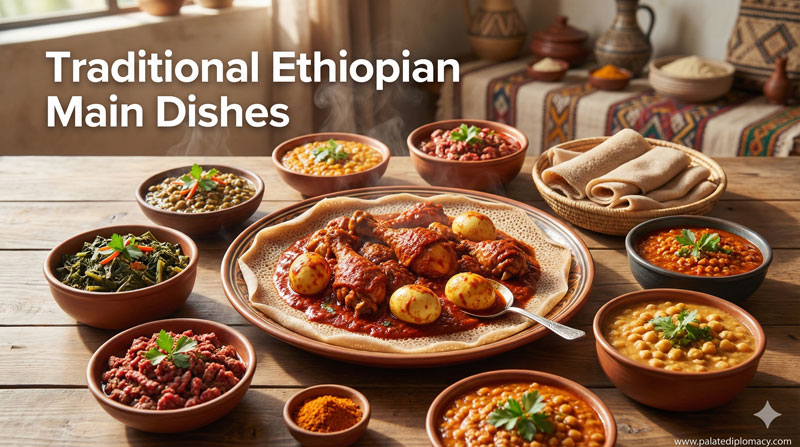
Traditionally, injera serves as both plate and utensil. Guests tear a piece of injera and use it to cradle bites of zilzil tibs. The shared plate fosters conversation and connection. A generous serving, placed in the center, invites all to sample and pick their preferred bites. Clean, straightforward presentation keeps the focus on flavor and fellowship.
Regional Flair and Variations
Across regions, cooks tailor the heat and speed of cooking. Some favor stronger berbere notes; others lean toward milder warmth with colorful peppers. Meat choices vary—beef or lamb are common—while onions, garlic, and peppers anchor every version. The method remains the same in spirit: a quick, high-heat sear that preserves tenderness and a lively, communal dining moment.
Zilzil Tibs in Modern Ethiopian Kitchens
Today, home cooks and chefs alike adapt zilzil tibs with accessible ingredients and contemporary tools. A hot skillet, a trusted blend of spices, and quality meat create a dish that travels easily from family dinners to small gatherings. Yet the heart stays the same: a sizzling plate, inviting aroma, and a meal that draws people together.
Why This Dish Endures
Zilzil Tibs endures because it celebrates simple brilliance. It honors technique—quick searing and careful layering of flavors—while embracing warmth, sharing, and joy around the table. It is approachable for cooks of any level and universally inviting for guests. The dish stands as a beautiful expression of Ethiopian culinary culture: a vibrant, comforting, and unifying experience that welcomes everyone to taste, reflect, and smile.