
What Makes Zrazy So Popular in Polish Cuisine
Polish cuisine shines when it brings comfort, craft, and a sunny sense of shared meals. Zrazy, a classic beef roulade, is a prime example. Its popularity rests on how it blends simple ingredients into something warm, inviting, and deeply rooted in home cooking. This dish speaks to care, technique, and the joy of table time with loved ones.
What is Zrazy?
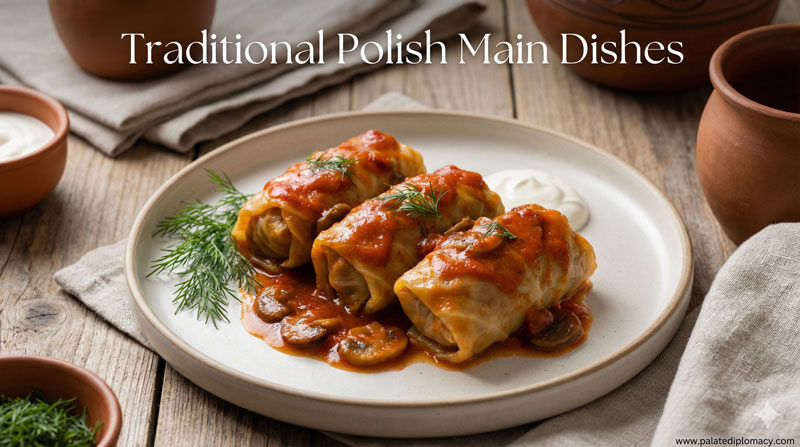
Zrazy are thin slices of meat rolled around a flavorful filling. The most common filling combines bacon or lard, onions, and a pickle or mushroom. Sometimes eggs or small vegetables are folded into the mix. The roll is tied or secured, browned, and then braised in a rich broth. The result is a tender, savory parcel, bathed in a glossy sauce that carries the memory of the ingredients fused inside. The elegance lies in the balance: meat that yields, a bright burst from the pickle or mushroom, and a sauce that unites every note.
The Craft of Zrazy
The preparation centers on technique as much as ingredients. First, the meat is lightly pounded so it becomes thin and pliable. Next, it is seasoned simply to let the filling sing. The cook lays out the filling in a careful line, then rolls the meat tightly and ties it to keep the shape. Browning the rolls adds depth and a gentle crust. Finally, the rolls braise slowly in a flavorful liquid—often a mix of stock, herbs, and a touch of acidity. The magic happens as flavors mingle, the filling stays juicy, and the sauce thickens with every simmer. The process rewards patience, and the result is a dish that feels both rustic and refined.
Fillings and Techniques
Fillings vary by family and region, but several components are beloved for their harmony with the meat:
- Bacon or lard for a savory, smoky kiss.
- Onions that soften into sweet depth.
- Pickles or pickled mushrooms for bright acidity.
- Mushrooms for earthiness and texture.
- Eggs or vegetables for a surprise center.
A common approach is to balance richness with tartness or brightness, so the loaf remains lively rather than heavy. In some homes, a thin smear of mustard or a dash of pepper is added to the filling for a subtle kick. The method of binding—twine, string, or careful skewers—ensures the roll holds its form during braising, which matters for the final slice’s presentation. Each family’s version echoes shared memories of markets, kitchens, and seasonal cooks who pass their tricks down through generations.
Texture and Flavor
Zrazy deliver a pleasing range of textures. The outer meat carries a gentle bite from browning, while the interior stays moist and juicy. The bacon or lard inside provides a fatty, savory sweetness that unfolds as the roll rests in the sauce. The pickles or mushrooms contribute a crisp or chewy contrast, and the sauce ties everything with warmth. When plated, the slice reveals a colorful cross-section: the lean meat, the bright filling, and the glossy gravy. The dish celebrates balance—meatiness, savoriness, and just a touch of tang.
Cultural Value in Polish Cuisine
Zrazy occupy a special place in Polish cooking for their demonstration of care and craft. It is a dish that invites hands-on preparation, time, and shared tasting. In many homes, zrazy appears on weekend menus or during family gatherings, where cooks showcase skill and patience. It is a dish that travels well from stove to table, carrying with it memories of kitchen windows, wooden spoons, and the soft hum of conversation.
The dish also reflects the Polish tradition of transforming ordinary ingredients into something festive. A simple roll, made from reliable staples, becomes a focal point that invites conversation about technique, family stories, and seasonal produce. Zrazy is a reminder that careful preparation can elevate everyday meals into meaningful rituals. For many, preparing zrazy is an act of nurture—an expression of hospitality and a way to honor the senses through scent, texture, and taste.
Regional Variations
Poland’s regions contribute subtle twists to zrazy. Some areas favor pork or veal instead of beef, offering a different texture and flavor profile. The fillings can reflect local produce: mushrooms from nearby forests, onions from the market, or pickles made in a family’s own cellar. Sauces range from light gravies to deeper, richer reductions, depending on tradition and season. These variations celebrate place while keeping the core idea intact: a rolled piece of meat that carries a concert of complementary flavors. The result is a tapestry of regional pride inside a single, beloved dish.
Pairings and Modern Twists
Classic pairings tend to be hearty and comforting. Potatoes in their many forms—mashed, boiled, or roasted—serve as a soft bed for the sauce. Dumplings, noodles, or kluski partner well with the savory gravy, letting the flavors remain front and center. A simple green salad adds freshness and balance. In contemporary kitchens, chefs experiment with lighter sides or brighter sauces, but the heart of zrazy remains a cozy, satisfying experience. Modern twists might introduce different fillings or lighter braising liquids, yet the dish still emphasizes care, technique, and shared meals.
How to Appreciate Zrazy
To truly appreciate zrazy, notice how each bite reveals layers of flavor and texture. The first taste should greet you with the meat’s tenderness, followed by the filling’s character—savory bacon or tangy pickles. The sauce ties everything together, warming the palate and inviting another forkful. Pay attention to the balance: does the filling brighten the richness without overpowering it? Is the cut tight enough to reveal a neat cross-section, showing both the meat and the filling? Enjoy the aroma as well, since the scent of browning meat and herbs sets the mood for a comforting, satisfying meal.
Modern Relevance and Accessibility
Today, zrazy remains accessible to home cooks while also inspiring chefs in cafés and small bistros. It rewards careful preparation and patience, yet it is adaptable. Home cooks can tailor fillings to what is on hand, aim for a balance that pleases their palate, and still celebrate the dish’s classic heart. The result is a dish that travels well across generations, seasons, and tables, always feeling at Home in Polish food culture.
Conclusion
What makes zrazy So Popular in Polish cuisine is its perfect blend of technique, flavor, and memory. It is a dish that invites hands-on cooking, honors simple ingredients, and offers a comforting, nourishing experience. Its appeal lies in how a humble slice of meat, a thoughtful filling, and a slow braise come together to tell a story of home, tradition, and shared meals. Zrazy stands as a bright testament to the beauty of Polish culinary craft and the warmth of its culinary culture.