
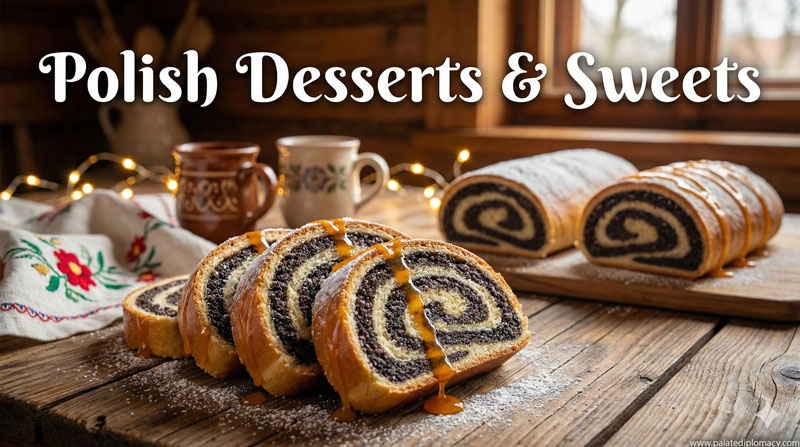
A Complete Guide to Enjoying Polish Babka Cake Like a Local
Polish babka cake is more than a treat. It is a symbol of warmth, shared moments, and everyday hospitality. In Polish homes, a slice of babka often greets the morning with coffee, or welcomes guests at a bright kitchen table. This guide shines a light on its cultural value and culinary significance, from the heart of the home to the favorite bakery shelves.
What makes Polish babka unique
Babka is a yeast-leavened cake. It blends eggs, butter, sugar, and flour into a soft, airy crumb. The dough is enriched, yielding a tender, plush bite. A gentle crust frames a light interior that often carries a hint of vanilla, citrus zest, or cinnamon. Many bakers swirl chocolate, raisins, or almond paste through the batter to create subtle ribbons of flavor. The result is a cake that feels festive yet familiar, a comforting companion to daily rituals and seasonal gatherings.
The name and form evoke a sense of family life. Its tall, loaf-like shape recalls moments of sharing a table with loved ones. In Polish kitchens, the cake is a canvas for personal touches, passed down through generations in the form of family recipes and small, thoughtful adjustments.
Babka in Polish homes: family, rituals, and celebrations
Babka sits at the center of everyday life and special occasions alike. It appears on weekend breakfasts, lending a sense of indulgence to a simple meal. It also shines at holiday tables and seasonal gatherings, especially around Easter and other festive moments when a cake with a soft crumb and gentle sweetness feels right for the moment.
bakers and home cooks alike treat babka as a bridge between past and present. A grandmother’s touch may show in a familiar aroma—vanilla and butter—that invites a smile and a sense of belonging. Young cooks learn by watching and tasting, then adapt the recipe to their own homes. In this way, babka travels through families, remaining a constant thread in Polish food culture.
Flavors, textures, and regional twists
Polish babka offers a quiet versatility. Plain versions emphasize the purity of the dough and the butter’s aroma. Variants may add:
- Lemon or orange zest for bright, citrusy notes
- Vanilla or almond for depth
- Raisins or currants for chewy sweetness
- Cinnamon or cardamom for warmth
- Chocolate swirls for a modern, dessert-like touch
- Poppy seeds for a speckled interior, echoing other beloved Polish pastries
Regional and shop-to-shop differences appear in the balance of sweetness and spice, the intensity of the crust, and the richness of the butter. In bakeries and markets, you may encounter a slightly denser crumb in some traditional versions and a lighter, airier crumb in others. Both reflect skilled technique and local preferences, yet all share the same core idea: a soft, comforting cake meant for sharing.
How to enjoy babka like a local
- Pair with coffee or tea: a quiet morning becomes special with a hot beverage and a slice of babka.
- Serve at room temperature: the crumb opens up fully when not cold, releasing its fragrance.
- Slice generously: thick slices invite lingering moments at the table.
- Balance sweetness: pair richer babkas with a cup of unsweetened tea or a mild coffee to keep the experience harmonious.
- Create a simple platter: add fresh fruit or almonds for color, texture, and contrast.
Babka also works as a welcoming bite for guests. A well-cut slice on a shared plate communicates care and hospitality, inviting conversation and enjoyment.
Selecting, storing, and savoring at home
- Look for a glossy crust and a soft, springy crumb. The aroma should be inviting, not overwhelmed by sugar.
- Choose a babka with a clean finish on the knife when sliced; this hints at a tender interior.
- Store at room temperature in an airtight container for 2–3 days. For longer keeps, refrigerate and bring back to room temperature before serving.
- For longer life, freeze slices wrapped tightly. Thaw gently for the best texture.
If you bake at home, use a sturdy yeast dough and chill the dough briefly if you prefer a tighter crumb. Allow it to proof fully for a light rise and a comfortable, cloud-like texture. A touch of lemon zest, vanilla, or cinnamon can be added to suit your taste, while preserving the cake’s gentle essence.
The local experience: bakeries, markets, and the heart of the craft
To savor babka as locals do, seek out family-run bakeries and neighborhood cafés. Here, you’ll taste variations born from hands that have worked with the dough for years. Conversations with bakers reveal how a tiny change in technique—how long to proof, how to shape the loaf, or when to glaze—shapes the final slice. The pleasure is in listening to The Story behind each bake and then tasting the continuity of craft.
A graceful ending: honoring a beloved treat
Polish babka cake embodies kindness, shared nourishment, and everyday beauty. It invites slow enjoyment, mindful tasting, and moments of connection. By exploring its flavors and textures, you discover more than a cake—you discover a piece of Polish food culture that welcomes you to share in its warmth.
Whether you encounter a classic butter-kissed loaf or a modern chocolate swirl, babka offers a welcoming doorway into a tradition that prizes family, good company, and the simple delight of a well-made cake.