
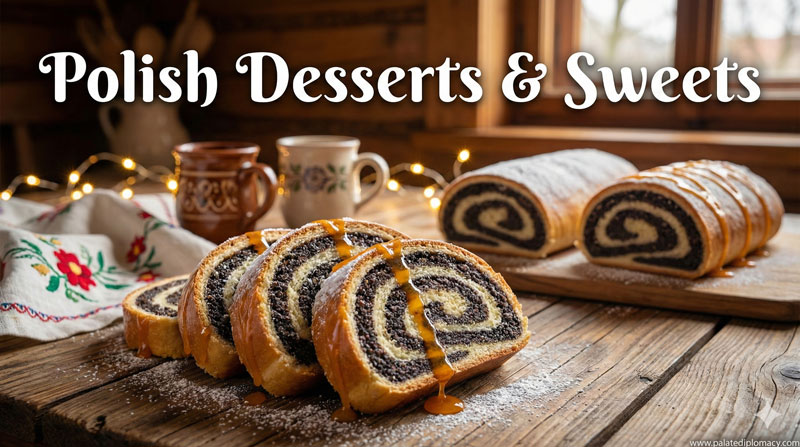
A Warm Welcome to Polish Babka Cake
Polish babka cake greets you with a gentle scent of butter, vanilla, and cinnamon. It is a treat that feels Like a quiet celebration in every bite. This cake invites sharing, conversation, and the simple joy of a well-made crumb. In this post, we explore its cultural value and culinary significance, celebrating how babka sits at the heart of Polish food culture.
What Is Polish Babka Cake?
Polish babka cake is a rich, yeast-leavened loaf that yields a tender, light crumb. The dough is enriched with eggs, butter, and sugar. A cinnamon- or vanilla-scented filling swirls through the dough, creating a marbled pattern when sliced. Some bakers fold in zest, almonds, or chocolate for depth. The result is a loaf with a glossy crust and a soft interior that feels familiar and festive at once. The beauty lies in the contrast between the slightly crisp exterior and the moist, fluffy center.
Origins and Shared Traditions
Babka has its place in many Polish kitchens as a beloved pastry for special occasions and weekend gatherings. It appears at family breakfasts, holiday tables, and celebratory desserts after meals. The process of making babka—kneading, proving, rolling, and watching the swirl come together—becomes a small ritual that many families repeat with love. The cake’s appeal rests in its accessible ingredients and its ability to adapt to seasonal flavors, making it a reliable centerpiece for any table.
Classic Varieties and Flavor Notes
The classic babka often begins with a vanilla- or cinnamon-scented dough. The filling can be simple sugar with cinnamon or a richer blend of butter, nuts, and chocolate. Some bakers fold in lemon zest for brightness, while others add raisins or currants for pockets of sweetness. The result is a flexible canvas: you can tilt toward a warm spice profile or lean into a chocolatey, dessert-like finish. Regardless of the variation, babka tends to celebrate balance—soft, airy dough paired with a flavorful filling that lingers pleasantly on the palate.
The Baking Craft: Dough, Filling, and Technique
Attention to technique is what elevates babka from a nice loaf to a memorable cake. Begin with a well-proofed dough; warmth helps the yeast rise and yield a soft crumb. Roll the dough into a rectangle, spread the filling evenly, and roll it up tightly. The spiral pattern emerges as you coil the dough into a loaf shape for baking. A final proof ensures the loaf rises to a comfortable height and develops a gentle dome. Bake until the crust sings with a light sheen and the interior remains tender. The craft lies in patience and a careful hand—keeping the filling from seeping out and maintaining an even swirl.
The Table Itself: How Babka Shines in Polish Gatherings
Babka often occupies a treasured spot on the table. It pairs beautifully with tea, coffee, or a glass of milk, inviting quiet conversation and shared slices. In many homes, the act of serving babka becomes a small ceremony—the knife glides through the loaf, steam escapes, and the aroma fills the room. This simple dessert strengthens a sense of home and belonging, offering a moment of sweetness that welcomes everyone to the table. Its presence signals warmth, care, and a love of tradition.
Modern Twists That Respect Tradition
Today’s kitchens honor tradition while inviting gentle experimentation. Bakers may add chocolate ribbons or almond threads to the filling for extra depth. Others drizzle a glaze over the finished loaf or dust it with powdered sugar for a polished finish. Some bakers create multi-layered versions with different fillings for a visually striking marbling. Yet even with these updates, the heart of babka remains—the soft crumb, the fragrant aroma, and the sense of comfort that comes with a well-made slice. These twists expand the cake’s appeal without compromising its essence.
Serving Ideas and Pairings
Serve babka warm or at room temperature to enjoy the best texture. Pair it with a cup of black tea or a robust coffee for a classic match. A light fruit preserve on the side can brighten the meal, while a dollop of yogurt or a scoop of vanilla ice cream can turn a simple slice into a dessert. For a festive touch, present babka slices fanned out on a platter, allowing guests to see the swirls and feel invited to take a piece. The cake’s versatility makes it a reliable star at many dining occasions.
Getting It Right at Home: Practical Tips
- Use room-temperature ingredients for even mixing and a tender crumb.
- Let the dough rise in a warm, draft-free spot to encourage a soft texture.
- Roll and fill carefully to keep the swirl neat and evenly distributed.
- Maintain even heat in the oven and check for a lightly golden crust.
- Allow the loaf to rest briefly after baking to set the crumb before slicing.
- Experiment with fillings in small batches to discover your preferred balance of dough and flavor.
Cultural Significance in Polish Food Culture
Babka embodies the thoughtful hospitality that many Polish kitchens prize. It is a testament to careful preparation, shared labor, and the joy of presenting a comforting, beautiful dessert. The cake’s ability to adapt with seasonal flavors and family preferences highlights the creativity that thrives in the home kitchen. By honoring craft, texture, and aroma, babka becomes more than a pastry; it becomes a symbol of everyday care and the pleasure of gathering around a table.
A Closing Note: The Gentle Joy of Babka
Polish babka cake invites you to slow down, notice aroma and texture, and savor the moment of slicing and sharing. Its cultural value lies in the care it embodies, the way it travels from kitchen to table, and the warmth it brings to family and friends. Whether you bake a classic vanilla swirl or a chocolate-filled version, you participate in a long tradition of craft, flavor, and community. If you seek a dessert that carries a touch of polish charm and a lot of heart, babka is a wonderful choice to explore and enjoy.