
What Afang Soup Is
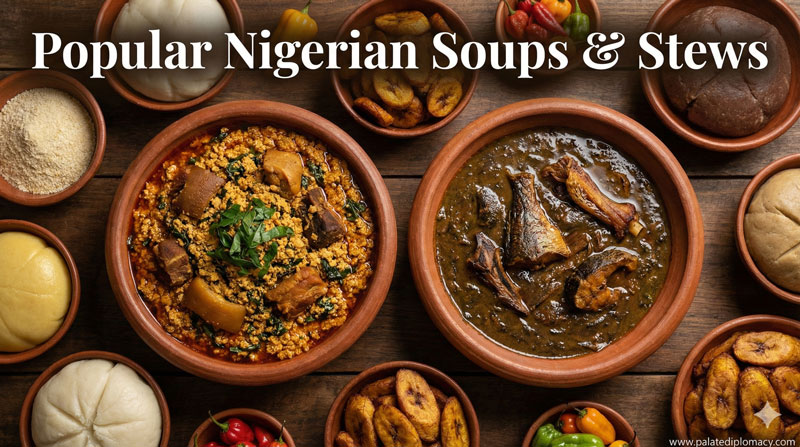
Afang soup is a Beloved Dish in Nigerian cuisine, celebrated for its vibrant greens and rich, comforting flavors. It centers on Afang leaves (Gnetum africanum) and, in many kitchens, water leaves (Talinum triangulare). The result is a hearty, nutritious soup that showcases generosity at the table. Meats, fish, and sometimes shellfish join the greens, while palm oil, ground crayfish, and spices layer depth. The dish stands as a bright, welcoming centerpiece that families return to again and again. Its popularity comes from how easily it adapts to different gatherings, from everyday meals to festive occasions, and from How It gathers people around the same pot.
The Leaves That Give Afang Its Signature
The Heart of Afang soup lies in its greens. Afang leaves bring a sturdy bite and a slightly earthy aroma. When combined with water leaves, the mixture yields a pleasing contrast: the Afang leaves provide body, while the water leaves add a silky, light mouthfeel. The greens are handled with care to preserve their texture, then folded into a steaming broth. The result is a bright green, appetizing bowl that speaks of harvest, care, and a kitchen that tastes of the land. This leafy duo highlights how Nigerian cooks honor plant life and seasonality in everyday meals.
Textures, Colors, and Flavor
Afang soup is a study in texture and color. The greens give a robust, fibrous bite, while the proteins bring tenderness and savor. Palm oil adds a warm, reddish-gold hue that glows at the table. Ground crayfish and spices deepen the aroma and warmth, creating a layered flavor profile without overwhelming the greens. The final dish achieves balance: the greens stay central, the oil gives richness, and the proteins provide heartiness. The color palette—green, gold, and brown—feels inviting and celebratory, inviting guests to savor not just a taste but a story of preparation and care.
The Craft of Preparation
The craft is in harmony and timing. Cooks trim and chop the Afang and water leaves, ensuring their textures stay intact. A flavorful stock is built from meat and fish, then enriched with palm oil and seasonings. Ground crayfish adds a nutty, maritime depth. The greens are introduced gently, either sliced finely or folded in, so their character remains evident rather than overwhelmed. The result is a cohesive, velvety, and distinctly Nigerian soup that shines at the table.
Food, Family, and Moments
Afang soup shines when shared. It is a dish that signals hospitality and welcome. In homes across Nigeria, preparing Afang becomes a family ritual: selecting greens, assembling ingredients, and serving generous bowls to loved ones. The act of gathering around the pot turns a meal into a moment of connection. The dish suits everyday lunches and special gatherings alike, offering comfort and pride in its preparation and presentation. Its presence on the table speaks to a culture that values generosity, craftsmanship, and the beauty of well-made food.
Afang in Modern Nigerian Cuisine
Today, Afang soup sits proudly in both home kitchens and contemporary eateries. Chefs experiment with protein choices, from traditional fish and meat to seafood additions, while preserving the essential greens and flavor harmony. The dish travels through Nigerian culinary scenes with warmth, inviting curiosity about textures and seasonal greens. Its flexibility makes it a bridge between home cooking and restaurant menus, all while preserving the core idea: a shared bowl that honors ingredients, technique, and community.
A Welcome Invitation to Taste
If you seek a dish that embodies care in every bite, Afang soup offers a clear invitation. It celebrates greens, textures, and a communal spirit that makes Nigerian cuisine feel inviting and alive. Try it with your preferred accompaniment and savor how the greens, oil, and proteins come together to tell a story of craft, family, and tradition.