
Introduction
Afang soup is a cherished dish in Nigerian cuisine. It blends bold leaves, rich palm oil, and a warm blend of proteins. This post explores how Afang soup grew in popularity, focusing on its cultural value and culinary significance. The Story is inviting and centered on the beauty of the food and its place in everyday life.
Core ingredients that define Afang soup
Afang soup centers on two leafy greens: Afang leaves (also called okazi) and water leaves. These greens bring a green, earthy sweetness to the pot. Palm oil adds color and depth. Protein comes from meat, fish, or dried seafood, often layered with crayfish and stockfish. Seasoning and salt join the flavors, while optional ingredients add texture, like periwinkle or shredded dry fish. The result is a thick, glossy soup with a bright, fresh finish.
A dish rooted in regional kitchen traditions
This soup grew from the kitchens of the Niger Delta region, where families cook with seasonal greens and fresh fish. It is a dish that travels from home to family gathering, cooking the same ritual with small, thoughtful changes. Across towns, cooks adapt the balance of greens and proteins to what is available. In every kitchen, Afang soup tells a story of local harvests, shared effort, and a favorite, comforting flavor.
The cooking craft: steps that honor technique
First, meats and fish are seasoned and simmered to create a flavorful stock. Next, palm oil is heated with aromatics and peppers to release its warmth. Then the greens are prepared: Afang leaves and water leaves are chopped and pushed toward tenderness without losing their bite. Finally, the leaves meet the stock, along with crayfish and other seasonings, and the mixture simmers until the flavors meld. The cooking ritual emphasizes balance—rich oils, bright greens, and savory proteins coming together.
Flavor profile and texture that invite conversation
Afang soup offers a harmony of textures. The greens provide a leafy bite, while the stock gives body and depth. The palm oil lends a smooth, slightly peppery finish. Crayfish and fish add a gentle brininess, and the proteins provide comforting heft. The result is a dish that feels both generous and refined, suitable for everyday meals and special occasions alike. The aroma alone often draws people to the pot and to the table.
Cultural significance: gatherings, sharing, and daily joy
This soup shines in family meals and celebratory feasts. It is often prepared for Sundays, visits to friends, and large gatherings. Sharing a pot of Afang soup invites conversation and connection. The act of serving, dipping into the same bowl or sharing portions, reinforces community bonds. In this way, the dish is more than sustenance; it is a ritual of hospitality and care.
The rise in popularity across Nigerian cuisine
Word of Afang soup spread through homes and kitchens that welcomed new tastes. Cooks and food lovers began to share recipes, tips, and adjustments publicly, helping the dish reach new audiences. Restaurants added Afang soup to menus, highlighting its comforting flavors and bright greens. Food writing and blogging showcased variations, from lighter, quicker versions to more traditional approaches. As a result, Afang soup became a familiar option on many Nigerian dining tables.
Modern adaptations and kitchen tips
Modern cooks experiment with the balance of greens and meat, creating lighter or heartier versions. Some versions use more water leaves for a softer texture; others emphasize the crunch of extra chopped greens. A common tip is to season gradually and taste often, building depth with stock and seasoning blends. For home cooks, the dish scales well from small family meals to larger gatherings, without losing its character.
Pairings and serving ideas
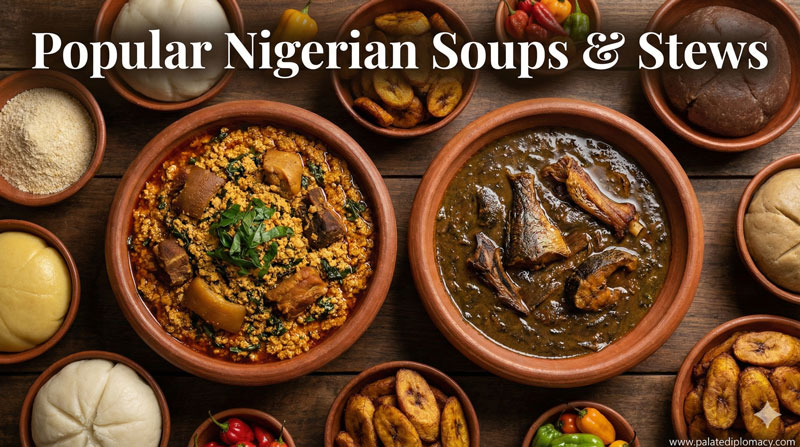
Afang soup pairs beautifully with pounded yam, fufu, or garri. The creamy, neutral backdrop of these staples lets the greens and palm oil pop. A crisp, light salad on the side can brighten the plate. For a richer experience, serve with a light fish sauce or a side of boiled plantain. The right combination makes the dish feel both familiar and inviting.
Sourcing and sustainability notes
Fresh Afang and water leaves are best found at local markets. Choose leaves that look vibrant and crisp. If fresh greens are scarce, some cooks blend in a touch of spinach as a substitute, though the flavor shifts slightly. Buying seasonally supports local growers and keeps the dish aligned with its regional roots.
Conclusion: a living part of Nigerian cuisine
Afang soup remains a vibrant thread in Nigerian Food Culture. Its green, hearty character invites sharing and conversation. The dish stands as a testament to careful technique, flexible passion, and the joy of gathering around a well-made pot. In every bowl, Afang soup tells a story of flavor, family, and the enduring beauty of Nigerian culinary tradition.