
Introduction
How Afang Soup Became Popular in Nigerian Cuisine is a story of color, texture, and community. The dish travels from humble home kitchens to gatherings across towns, carrying a sense of welcome in every bowl. It shines because it combines bright greens, rich palm oil, and careful balance, all made accessible with ingredients that are often found nearby. This post explores its cultural value and culinary significance with warmth and clarity.
What is Afang Soup?
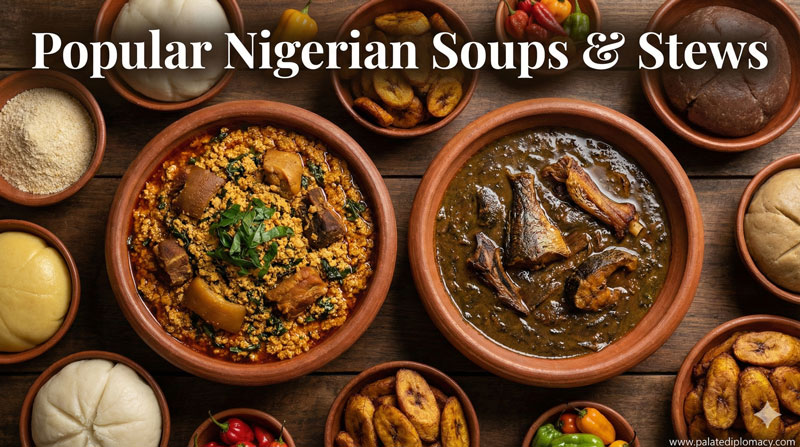
Afang Soup is a cherished Nigerian soup built around Afang leaves, also known as Okazi leaves, paired with water leaves. The greens give the soup its vibrant color and a satisfying, leafy bite. Palm oil adds depth and a smooth, golden sheen. Meat, fish, crayfish, and stockfish bring savory layers, while simple seasonings draw out the sweetness of the greens. The result is a thick, comforting soup that feels both lively and familiar.
The Cultural Roots in Nigerian Cuisine
In Nigerian cuisine, Afang Soup is more than a dish; it is a vehicle for sharing, memory, and hospitality. Families gather around a pot, guiding the conversation as they stir and taste. Communities celebrate with big pots and generous servings, reinforcing bonds and the joy of feeding others. The dish travels from market stalls to family tables, reflecting a rhythm of daily life that honors seasonality, resourcefulness, and togetherness. Its popularity grows when people recognize it as a link between elders and the youngest cooks, a bridge built through repeated prep and shared bites.
Key Ingredients and Their Significance
Afang leaves provide a distinct, delicate texture that blends with the tenderness of water leaves. The greens symbolize freshness and vitality, a reminder of nature’s generosity. Palm oil contributes a warm aroma and a rich hue that elevates the whole dish. Protein choices—meat, fish, crayfish, and stockfish—add depth, flavor complexity, and a sense of abundance. The combination of ingredients speaks to thoughtful sourcing, balance, and the pride of making something nourishing for loved ones.
Texture, Color, and Flavor
The beauty of Afang Soup lies in its texture and color. The greens create a lush, green canvas, while the broth rings with a glossy golden tone from palm oil. The final mouthfeel is thick and satisfying, with a gentle chew from the Afang leaves and water leaves. Flavor unfolds in layers: the fundamental savor of meat or fish, the umami from dried seafood, and a subtle, peppery brightness from seasonings. This harmony invites repeat meals and ongoing appreciation.
Serving Traditions and Occasions
Afang Soup is traditionally paired with starchy staples such as pounded yam, fufu, or garri. The pairing reinforces a sense of ceremony and ritual—sharing food that fills the room with warmth. In daily life, families savor it as a hearty family meal, while at larger gatherings it stands as a centerpiece that invites guests to the table. Each serving carries a message of welcome, care, and the joy of good company.
Regional Variations and Continuity
Different households bring small variations to Afang Soup, reflecting local tastes and what is available. Some kitchens favor more water leaves for extra softness, while others emphasize richer palm oil for a deeper color. Fish, crayfish, or stockfish textures shift the soup’s character without changing its core appeal. Across regions, the dish remains a familiar thread that threads through celebrations, everyday meals, and the seasonal rhythms of harvest and market days.
Conclusion
How Afang Soup Became Popular in Nigerian Cuisine is a tale of flavor and fellowship. The dish embodies care, craft, and the joy of sharing something delicious with others. Its cultural value rests in how it brings people together, honors the land and its ingredients, and invites cooks of all ages to contribute their touch. In every pot, Afang Soup expresses the beauty of Nigerian Food Culture and invites readers to savor its generous spirit.