
Introduction
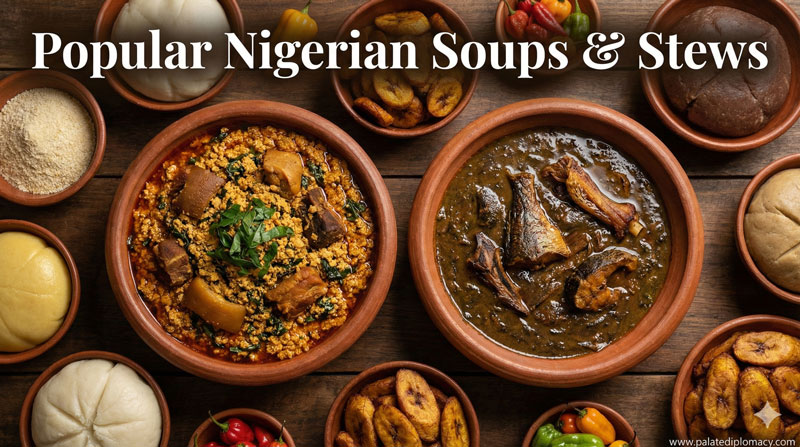
Afang soup is a bright, comforting dish that has earned A Beloved place in Nigerian cuisine. Its star is the Afang leaf, also known as Okazi, paired with water leaves to create a lush, green bowl of flavor. In many communities across the Niger Delta, Afang soup signals celebration, generosity, and everyday welcome. It invites families to gather, share stories, and enjoy a meal that feels fresh, vibrant, and deeply rooted in local farming and fishing traditions. This dish embodies balance: greens, protein, and a warm, peppery aroma that lingers in The Heart long after the last bite.
Ingredients and Technique
The core duo of Afang leaves and water leaves gives the soup its distinctive texture. Afang leaves are shredded into thin ribbons, while water leaves are cleaned and lightly squeezed to remove excess moisture. The mix creates a hearty, velvety body that carries the other ingredients well. Protein is usually a mix of meat, stockfish, and/or dry fish, with optional crayfish or periwinkle for a briny lift. Palm oil adds depth and a rich amber color. Seasoning is simple yet precise: salt, pepper, and sometimes traditional seasonings or small flavor boosters. The method is deliberate: simmer the meat and fish to create a flavorful stock, add the leaves, and let the soup thicken as the greens release their juices. The result is a dish that feels both rustic and refined, with every component contributing to a cohesive whole.
The Flavor and Texture
Afang soup delights the palate with layers of texture. The Afang leaves give a mild, slightly bitter snap that softens as they cook, while water leaves contribute a silky, tender body. Palm oil provides a warm, earthy richness that coats the mouth. Crayfish or dried fish add a gentle snap and a nutty, oceanic aroma. The combination creates a soup that is lush yet bright, with a fragrant finish that lingers pleasantly. The texture is both smooth and substantial, inviting careful spoonfuls and slow savoring. Each mouthful highlights the greens, the protein, and the peppery balance that defines the dish.
Cultural Significance
Afang soup carries a cultural thread that ties kitchens to communities. The dish is often prepared for family gatherings, market days, and shared meals that welcome guests. The careful preparation of the greens—sorting, shredding, and blending with the stock—reflects patience and skill passed down through generations. Serving Afang soup is an act of hospitality: presenting a steaming bowl, inviting others to eat, and savoring the moment of communal enjoyment. The greens themselves symbolize abundance and renewal, while the careful selection of fish and meat echoes the value placed on variety, balance, and respect for resources. In many homes, the act of cooking Afang is a quiet ceremony that celebrates home, hospitality, and togetherness.
Regional Variations
Across the Niger Delta and neighboring regions, cooks bring subtle twists to Afang soup. Some households favor a stronger palm oil presence for a deeper color and aroma, while others opt for a lighter touch to highlight the greens. The choice of protein can vary, from different cuts of meat to smoked fish or shellfish, each adding its own character. While Afang remains the star, nearby kitchens may combine it with slightly different greens or adjust the seasoning to reflect local tastes. These variations showcase how a single dish can adapt to regional flavors while preserving its core identity.
Serving Traditions
Afang soup shines when paired with staples such as pounded yam, fufu, or cassava-based doughs. The thick, green bowls lend themselves to scooping and tearing, making each bite a satisfying balance of greens and protein. Serving often emphasizes generosity: a shared pot, bowls passed around the table, and a collective moment of tasting before plates are emptied. The pairing with side starches completes the experience, turning a pot of Afang into a festive, conversation-filled meal.
Modern Popularity and Accessibility
In contemporary Nigerian cuisine, Afang soup has moved from family kitchens to restaurants and online kitchens alike. Cooks now share step-by-step methods, tips for achieving the right leaf texture, and variations that suit different households. This accessibility helps the dish travel beyond its regional roots, inviting new enthusiasts to discover its fresh, green charm. Yet the essence remains the same: Afang soup is a celebration of greens, warmth, and the joyful act of feeding others.
Conclusion
Afang soup stands as a testament to the beauty of Nigerian culinary heritage. Its vibrant greens, rich textures, and heartful sharing embody cultural values of hospitality, abundance, and care. The dish invites both cooks and guests to slow down, savor the flavors, and honor the everyday magic of home cooking. By honoring its greens and its traditions, Afang soup continues to enrich the Food Culture with every joyful bowl.