
The Core Ingredients of Afang Soup
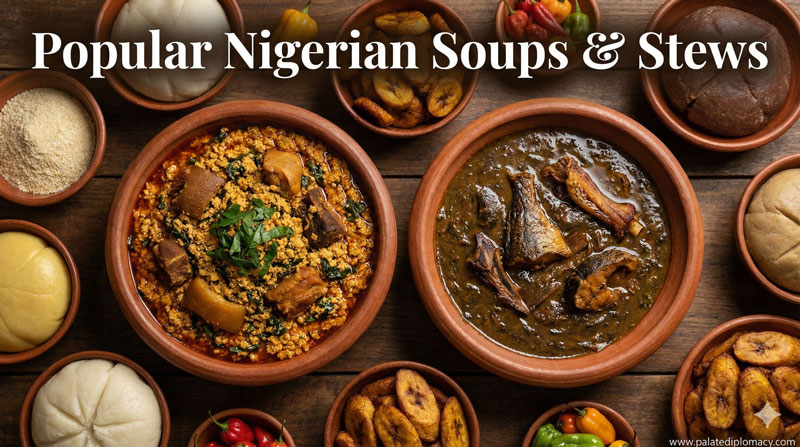
Afang soup is a bright, green Nigerian classic built on a simple truth: fresh leaves carry the soul of a dish. The two stars are Afang leaves and water leaves. Afang leaves give a slightly tannic, earthy aroma, while water leaves add a soft, velvety texture. Both greens bloom in harmony when warmed with oil and stock. The pot then deepens with protein—beef, assorted meats, fish, or stockfish—and a salted, savory backbone from palm oil and ground crayfish. A touch of pepper and traditional seasonings rounds everything out. This combination creates a balance of bite, aroma, and color that diners instinctively recognize as Nigerian cuisine at its lively best.
The Technique: How Afang is Made
Afang soup unfolds in careful steps. First, wash and tear the greens into manageable ribbons. Next, parboil or blanch the water leaves to soften their texture. In a wide pot, brown the meat with a small amount of palm oil and season well. Add stock or water along with crayfish and any dried fish or seasoning sleeves you prefer. Simmer until the flavors mingle and the meat becomes tender. Then fold in the afang leaves last. The afang leaves release a natural mucilage that thickens the soup, giving it a lush, generous mouthfeel. The result is a glossy, emerald soup that clings to a mound of fufu, pounded yam, or garri. The technique honors patience and precision, inviting the cook to taste often and adjust heat, salt, and thickness as needed.
The Cultural Value: Hospitality and Sharing
Afang soup carries a strong sense of welcome. It often appears at family gatherings, Sunday meals, and celebrations where friends and neighbors come together around a single pot. The bubbling pot becomes a focal point, and the aroma invites participation. Preparing Afang is as much about connection as it is about flavor. The act of serving—placing bowls before guests, watching the steam rise, and sharing generous portions—embodies a spirit of hospitality that Nigerian Food Culture values deeply. The dish also celebrates seasonality: fresh greens arrive from markets, and cooks adapt to what is available, keeping the tradition vibrant and responsive to the week’s produce.
Afang on the Table: Pairings and Occasions
Afang soup shines with staple pairings that anchor its place in everyday life. Serve it with fufu, pounded yam, or garri for a comforting, shared meal. The green, hearty content pairs well with a light, clean beverage and a simple palm oil aroma that lingers pleasantly. It is flexible for weeknight dinners or weekend feasts, and its customization invites families to tailor the dish to their tastes—more greens for verdant brightness, or a bolder crayfish note for depth. The result is a dish that feels both familiar and celebratory, suitable for quiet evenings and festive gatherings alike.
The Rise in Popularity: From Homes to Kitchens and Cafés
Afang soup grew in popularity as more homes shared their versions with friends and neighbors. In kitchens around cities, cooks began recording techniques and tips, which spread through word of mouth, then through local markets and cooking shows. Cafés and restaurants began featuring Afang as a signature offering, introducing its bright flavors to new diners. Social media and food blogs helped this dish travel beyond family kitchens, inviting curious eaters to discover its texture, aroma, and the joyful balance of greens and oils. This rise was defined by accessibility: fresh greens at markets, approachable preparation steps, and a recipe that invites improvisation while preserving its core identity.
Variations Across Nigeria: Regionally Loved Styles
Different regions bring subtle shifts to Afang soup. Some cooks favor stronger palm oil notes, others prefer a lighter touch to let the greens lead. The choice of greens can vary: a heavier emphasis on Afang leaves with a gentler touch of water leaves in some homes, or a more pronounced presence of water leaves in others. Protein choices shift with family preferences, from beef to fish to assorted meats. Yet the essence remains the same: a green, flavorful soup that celebrates the generosity of fresh ingredients and the skill of the cook. These variations show how a single dish can reflect local tastes while preserving a shared cultural aroma.
Preserving the Heart of Afang Soup
Afang soup endures because it is more than food—it is memory in a bowl. Its beauty lies in the balance of greens, the comfort of thick, glossy sauce, and the warmth of shared meals. As markets continue to stock fresh Afang and water leaves, the dish stays alive in homes, schools, and eateries. With each pot cooked, the dish reaffirms its place in Nigerian cuisine: a vibrant expression of community, season, and culinary craft. It invites all who taste it to pause, smile, and appreciate the artistry of a simple, well-made soup.
If you are exploring Nigerian flavors, start with Afang soup. Notice how the greens sing, how the texture welcomes the bite, and how the aroma invites conversation. In this dish, culture and cooking meet in a generous bowl, inviting everyone to join the celebration of taste and togetherness.