
Introduction
Afang soup is a celebrated Nigerian dish from the southern coastal states of Akwa Ibom and Cross River. It embodies warmth, skill, and generosity in every bowl. The dish blends leafy greens, protein, and a rich palm-oil broth to tell a story of community and craft. Its beauty lies in the balance between bold greens, glossy oil, and a comforting, hearty texture. When people gather to share Afang, they share more than food; they share a cultural moment rooted in daily life and festive meals alike.
Core ingredients and cultural signals
Afang leaves, the star of the dish, bring a crisp, grassy note and a ribbon-like form when sliced. Water leaves add a silky body and a fresh brightness that lightens the meal. The greens meet palm oil, which gives depth and warmth to the soup’s color and aroma. Crayfish and stockfish contribute a gentle ocean sweetness and a familiar scent that signals home cooking. Meat or seafood options come in to boost protein and round out the flavor. Together, these ingredients reflect a kitchen where local harvests meet culinary technique, producing a dish that feels both grounded and celebratory.
The craft of preparation
The care in Afang preparation is a quiet craft that many families honor. The leaves are trimmed and cut into fine ribbons, a step that reveals the cook’s rhythm and precision. Water leaves are prepared to release just enough moisture, helping the soup achieve its characteristic thickness without losing brightness. The broth simmers slowly, allowing palm oil to mingle with the greens and the aromatics. Crayfish, fish, and meat are added with attention to texture, so each bite offers a gentle chew, a soft center, and a little crunch from the greens. A practiced hand balances heat, salt, and oil, guiding the dish to a harmonious finish that respects the greens’ vibrancy and the proteins’ savor.
Texture, flavor, and aesthetics
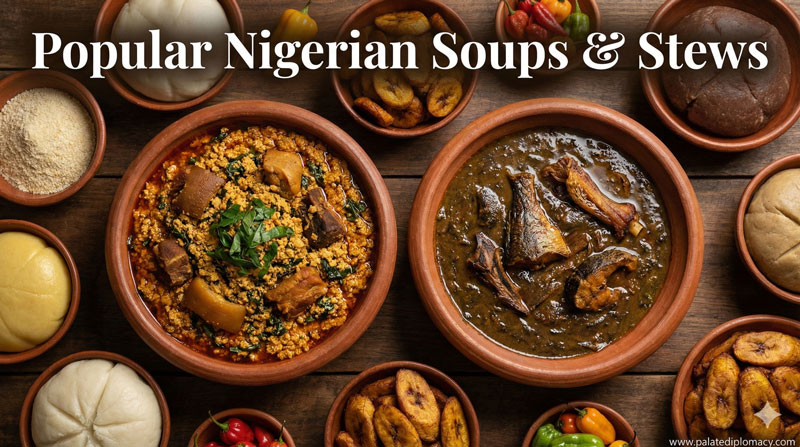
Afang soup pleases the eye with green ribbons sinking into a glossy, reddish-brown broth. The contrast between tender leaves and firmer chunks of meat creates a satisfying mouthfeel. The aroma is inviting: a mix of greens, palm oil, and a hint of seafood. The flavor profile layers fresh, herbaceous notes with a comforting depth from the oil and stock. This interplay of textures and tastes mirrors the way Nigerian meals often honor both freshness and richness in one bowl. The result is a dish that feels lush yet approachable, bright yet grounding.
Serving traditions and social dining
Serving Afang is an act of hospitality. It often arrives in a large pot or wide bowls that encourage sharing. The customary pairing with starchy accompaniments—pounded yam, fufu, or garri—creates a complete, satisfying meal. In many households, serving the first spoonful is a small ceremony that signals welcome and togetherness. The family or guests join around the table, exchanging stories as they savor the balance of greens, oil, and protein. This communal dining ritual highlights the dish’s role as a social catalyst, turning a everyday meal into a moment of connection and warmth.
Regional pride and variations
While the core concept stays constant, households tailor Afang to their tastes and available ingredients. Some cooks emphasize a stronger greens presence for a brighter bite, while others focus on a richer, oilier broth. Variations may include different proteins or additional seasonings to suit family preferences. This flexibility showcases how Afang adapts to local markets and individual family traditions, reinforcing its place as a flexible emblem of regional pride and culinary ingenuity.
Sustainability and seasonality
Afang soup often celebrates fresh, locally sourced ingredients. The greens come from nearby gardens or markets, supporting small-scale farming and seasonal cycles. Fish, crayfish, and meat are chosen to balance flavor with mindful portions, creating a dish that feels generous without being wasteful. The practice of using readily available greens reflects a respect for nature’s rhythms and a practical approach to nourishing meals with what is at hand. In this way, Afang mirrors everyday Nigerian cooking: attentive, seasonal, and deeply human.
The cultural value of Afang in everyday life
Afang soup stands as a trusted expression of hospitality, nourishment, and shared joy. It honors the home kitchen, the market stalls, and the family table alike. The dish’s preparation invites conversation, skill transfer, and the passing of culinary knowledge from one generation to the next. Its flavors invite memory and storytelling, creating a bridge between generations over a single, comforting meal. In every spoonful, Afang celebrates the beauty of Nigerian Food Culture: vibrant greens, thoughtful technique, and the power of food to bring people together.
Conclusion
Choosing Afang soup means choosing a savoring of community, craft, and seasonal abundance. The dish breathes life into a kitchen, turning ingredients into a tapestry of texture, aroma, and color. It reflects a rich culinary culture that values freshness, balance, and togetherness. Whether shared at a family table or enjoyed in a quiet moment of home cooking, Afang soup invites everyone to Taste the generosity and beauty of Nigerian food culture.