
Introduction
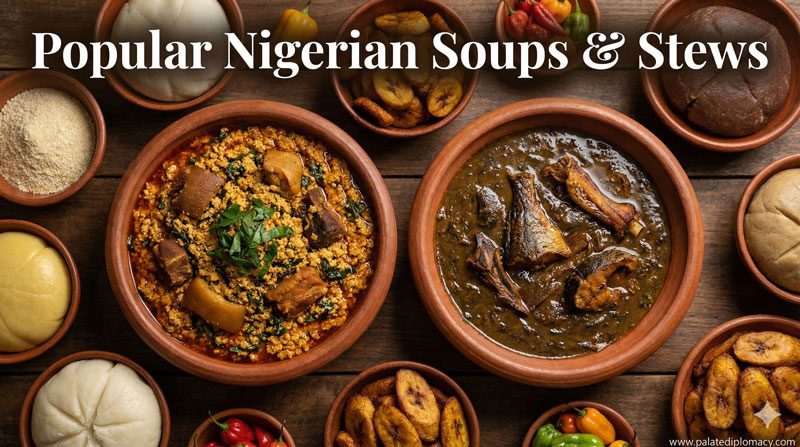
Afang soup is A Beloved Nigerian dish that reveals the warmth and artistry of southern Nigerian Food Culture. The dish centers on Afang leaves, also called Okazi, shredded into slender ribbons. Chefs blend these greens with water leaves, palm oil, and a chorus of proteins from meat to fish. The result is a vibrant, nourishing soup that feels both humble and celebratory. In homes and markets, Afang connects people to place, season, and family recipes. This post looks at how Afang soup reflects cultural values and culinary skill through ingredients, technique, and shared eating.
The Heart of Afang: Key Ingredients
Afang leaves are the star. They bring a fresh, forest-green color and a delicate, slightly bitter flavor. Water leaves add body and a gentle sweetness when cooked. Palm oil provides color, richness, and a smooth mouthfeel. Assorted meats, fish, and shellfish deepen the broth and offer varied textures. Crayfish and simple seasonings release aroma, while peppers wake the palate. Salt finishes the dish with balance. Each ingredient plays a role in a cohesive, memorable bowl.
A Symphony of Textures and Flavors
First, the Afang leaves are shredded into fine ribbons. Next, cooks fold the greens into a simmering pot where meat and fish release steady depth. The broth becomes silky as palm oil blends with the greens. Then, the combination of tender morsels with the greens creates a pleasing contrast in every bite. Finally, the aroma of pepper, crayfish, and herbs lingers, inviting another spoonful. The result is a soup that feels light in appearance yet rich in flavor and comfort.
A Cultural Mirror: Social and Family Roles
Afang soup often appears in family meals and friendly gatherings, marking moments of welcome. It is a dish that invites sharing, conversation, and time together around the table. Elders pass down tips on how to balance the greens with the protein, while younger cooks learn timing and stirring techniques. Markets and home kitchens both celebrate Afang, reflecting a culture that values fresh ingredients, careful preparation, and generous hospitality. The dish thus becomes a living thread in daily life and special occasions alike.
Preparation as a Cultural Practice
The preparation process is a quiet ceremony of care. Leaves are cleaned and torn, then shredded into long, delicate strands. Proteins are cooked separately and cut into generous portions. Palm oil is measured for the right depth of color and taste. The greens are folded gently into the pot to preserve their texture. The final stir blends flavors, and the bowl arrives at the table with a sense of ceremony and welcome. Through these steps, culinary skill and family tradition are passed on.
Afang in Modern Nigerian Cuisine
In today’s kitchens, Afang soup travels from home tables to restaurants and food blogs. Chefs explore variations with different proteins or local peppers, while preserving the core balance of greens and richness. Home cooks share tips on shredding technique and timing, helping the dish remain accessible to beginners. Yet the heart stays in the act of gathering, sharing, and enjoying a dish that speaks of place and memory. Afang thus continues to thrive as a bridge between tradition and contemporary living.
Conclusion
Afang soup stands as a vivid expression of Nigerian food culture. Its bright greens, rich palm oil, and diverse proteins embody balance, hospitality, and regional pride. The act of preparing and sharing Afang deepens connections among family and friends. In every spoonful, one tastes the care, skill, and joy of southern Nigerian culinary craft. Afang is more than a soup; it is a celebration of place, people, and the beauty of thoughtful, communal cooking.