
Introduction: Afang Soup and the Flavor of Nigerian Hospitality
Afang soup is a bright, inviting dish that speaks to Nigerian hospitality. In many homes, the pot becomes a center of warmth, conversation, and shared enjoyment. The greens, the rich broth, and the comforting aroma invite people to gather. This post focuses on the cultural value and culinary significance of Afang soup. You will see how a single dish expresses patience, skill, and a spirit of welcome that is central to Nigerian Food Culture.
Core ingredients and technique
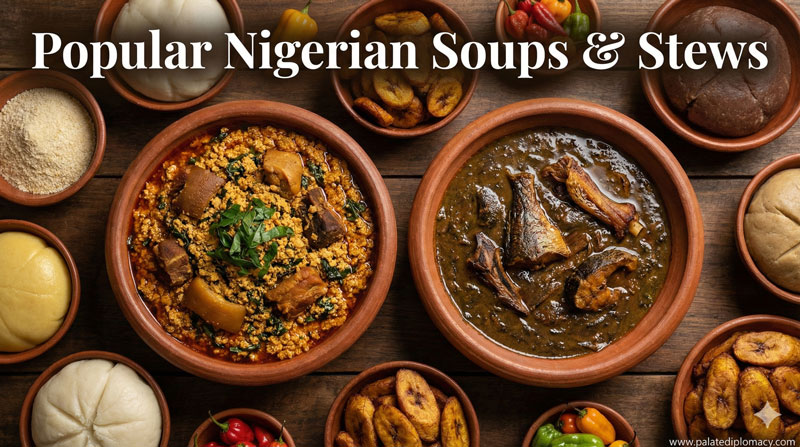
The signature greens are Afang leaves, also called okazi, paired with water leaves for balance. The greens bring texture, scent, and a vibrant visual contrast to the soup. Meats such as beef, chicken, or fish often join the pot, along with small seafood elements like stockfish or crayfish for depth. Palm oil lends color and body, while seasonings, salt, and pepper tie the flavors together. The preparation honors technique as much as taste: greens are cleaned and finely shredded, then simmered with the meat and stock. The leaves are added in stages to achieve a layered texture. The result is a thick, smooth broth with ribbons of greens and a gentle, lingering aroma. This careful order—meat first, greens later—mirrors the patience many cooks bring to table-centered Nigerian meals. Afang soup is typically served with fufu, pounded yam, or garri, enhancing the communal dining experience.
Cultural significance in Nigerian food culture
Afang soup embodies core values of Nigerian dining: generosity, hospitality, and togetherness. The dish is often prepared with friends and family in mind, turning cooking into a social act. A large pot invites everyone to contribute—stirring, tasting, and portioning—creating a shared rhythm. When guests arrive, the aroma signals welcome. The first servings are often offered to elders or honored guests, reinforcing respect and kinship. Through routine gatherings—weekend family meals, celebrations, or simple neighborly visits—Afang soup becomes a thread that links daily life to cultural identity. The act of eating from the same pot emphasizes belonging and mutual care. In this way, Afang soup is more than nourishment; it is a living tradition that reinforces social bonds and a spirit of generosity.
Regional voices and variations
Across southern Nigeria, cooks bring subtle regional touches to Afang soup. Some households emphasize a heartier, thicker broth, while others prefer a lighter version with more water leaves. The choice of proteins may shift with what is available, from assorted meats to seafood. Names vary—many people simply call it Afang soup, while others refer to it as Okazi soup—yet the essence remains the same: greens, warmth, and sharing. The use of palm oil gives a distinctive orange hue and a comforting richness that many know by scent alone. Regardless of variation, the dish maintains its role as a bridge between generations and communities, inviting everyone to enjoy a familiar, welcoming flavor.
The eating experience: texture, aroma, and joy
Steam rises as the pot opens. The aroma blends earthiness, bright greens, and the warmth of palm oil. The greens float beside tender meat, creating a pleasing contrast in both texture and color. Diners often scoop with a shared utensil or their hands, depending on custom and setting. The first bite is followed by lively conversation, thank-yous, and a sense of gratitude for the cooks and hosts. This experience—aroma, texture, and communal sharing—captures the beauty of Nigerian food culture in a single, satisfying moment.
Serving traditions and everyday enjoyment
Serving Afang soup centers on communal pleasure. It is common to bring out the dish in a large bowl or pot, with portions shared among everyone at the table. Accompaniments like pounded yam, fufu, or garri provide the perfect vehicle for savoring the thick broth and greens. The act of serving reinforces hospitality: a host ensures guests receive generous helpings and feels welcomed. The scene—the bustling kitchen, the clinking spoons, the smiles around the table—speaks to everyday life where food is a unifying language.
Cooking at home: tips for preserving tradition
Home cooks can honor tradition while making Afang soup accessible. Start with fresh Afang leaves and water leaves, choosing meats or seafood you enjoy. Clean and shred the greens to release their texture. Brown the meat gently to build flavor, then simmer with stock and seasonings. Add greens in stages to preserve their bite and color. If you prefer a thicker soup, let it simmer a bit longer before the final greens go in. Finish with a bright, balanced seasoning so the greens shine without masking the meat. Pair with fufu, pounded yam, or garri for A Complete, comforting meal. Keep the process slow enough to savor the aroma and the shared moment with family and friends.
Conclusion: Afang as a celebration of flavor and community
Afang soup stands as a joyful expression of Nigerian food culture. Its greens, its hearty broth, and its social rituals show how flavor and fellowship go hand in hand. The dish invites generosity, invites conversation, and invites everyone to partake in a shared feast. By preserving traditional techniques while embracing friendly variations, Afang soup remains a living, loving part of everyday life. It is a reminder that food can nourish both body and community, one comforting bite at a time.