
What Afang Soup Is
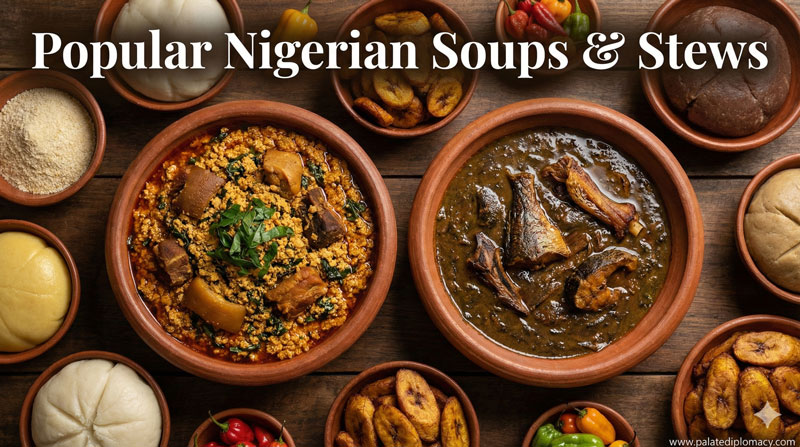
Afang soup, known locally as Ofe Afang, is a cherished Nigerian dish that celebrates fresh greens and hearty flavors. It comes from the Niger Delta region and the Efik and Ibibio culinary traditions. The star is the Afang leaf, sliced and folded into a bright, leafy base. Water leaves join in, bringing hydration and a gentle sweetness. The result is a green, silky soup that feels both rustic and refined.
Core Ingredients and Their Significance
Afang leaves form The Heart of the dish. They bring body and a distinct, grassy aroma. Water leaves add moisture and a mild, peppery note. Palm oil provides color, depth, and a smooth creaminess. Proteins such as beef, goat, or fish, along with crayfish and stockfish, add texture and savor. These ingredients mirror a practice of using readily available, seasonal foods to build a balanced, nourishing meal.
Texture, Flavor, and Cooking Techniques
Chefs slice the Afang leaves thinly to release their flavor without dulling their bright color. The water leaves are added for moisture and a touch of sweetness. The palm oil lends a rich, velvety mouthfeel that carries the savory notes of meat and fish. Crayfish and stockfish bring a coral-like crunch and a deep, oceanic aroma. Traditional cooks may pound a portion of the leaves for a smoother texture, then fold everything together in a large pot. In modern kitchens, a blender or processor can help achieve the same result without losing the dish’s heart.
A Dish of Community and Celebration
Afang soup shines when prepared for family gatherings or shared meals. The cooking process becomes a social moment, with conversations drifting from harvests to everyday life. When the pot is almost ready, neighbors and guests often gather, ready to sample and celebrate. The act of serving is thoughtful: portions are ladled into bowls, and friends gather around a table to savor the vibrant greens and comforting richness. This is a dish that invites connection and warm conversation.
Regional Variations and Serving Traditions
Across communities, cooks adapt Afang soup to local preferences. Some use different cuts of meat, or add seafood for a lighter note. The soup is commonly paired with swallow foods such as pounded yam, fufu, or semolina, creating a satisfying contrast in texture. Side dishes may include simple vegetables or plantains, depending on the day. These variations show how a single dish can reflect neighborhood tastes while preserving a shared sense of Nigerian Food Culture.
Pairings, Etiquette, and Modern Kitchens
In many homes, Afang soup is enjoyed with hands, using a small piece of swallow to scoop up the greens and broth. A spoon can be used for the soup, while the swallow helps capture a balanced bite. The aroma guides the eating experience, inviting calm and appreciation. In contemporary kitchens, cooks honor tradition by keeping the greens vibrant and the broth well-seasoned, even as they experiment with lighter oils or alternate greens for a personal touch.
The Beauty of Afang in Nigerian Food Culture
Afang soup stands as a vivid example of Nigerian culinary artistry. It showcases how simple greens, paired with well-chosen proteins and a rich palm oil base, can become a dish of depth and soul. The recipe teaches care in ingredient selection, patience in preparation, and generosity in shareable portions. Through Afang, we glimpse a culture that values fresh produce, skillful technique, and the joy of gathering around a nourishing meal. This dish is not only about taste; it is about belonging, memory, and the everyday beauty of Nigerian food culture.