
Introduction: Alicha Wat and the Texture of Ethiopian Food Culture
Alicha Wat Is a mild Ethiopian stew that shines through its quiet confidence. It invites the palate with gentle spices and a soft, comforting aroma. This dish mirrors how Ethiopian Cuisine values balance, hospitality, and the daily ritual of sharing a meal around injera.
The Gentle Core: Ingredients and Technique
Alicha Wat centers on kindness to the senses. A sweet onion base forms the heart, slowly softened to release fragrance. Garlic and ginger join in, bringing warmth without sharp heat. Niter kibbeh, a seasoned clarified butter, carries a mellow richness that coats every piece. Turmeric gives a sunny hue and a subtle earthiness. Unlike some stews, Alicha Wat relies on these layers rather than bold heat, letting each spice sing softly. The result is a dish that honors harmony, a hallmark of Ethiopian cooking.
Injera: The Plate That Shapes the Experience
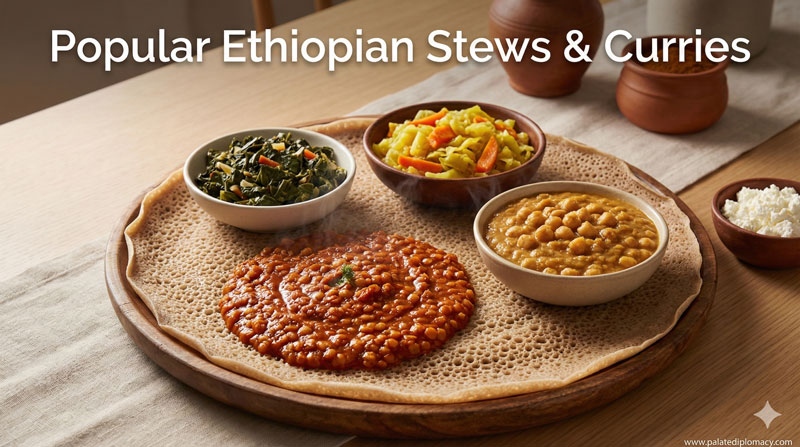
Injera sits at the table as more than a plate. It is the shared canvas for Alicha Wat. Diners scoop the stew with pieces of injera, tearing a small portion to gather a bite. This simple act anchors a culture of togetherness. Food becomes a conversation, not a competition. The texture of injera—spongy, tangy, inviting—complements the smooth, creamy sauce of Alicha Wat. Together, they teach patience and community at every meal.
The Spice Philosophy: Balance Over Boldness
Ethiopian cooking often celebrates balance, and Alicha Wat is a clear example. Mild heat gives room for aromatics to shine. The turmeric and earthy spices create color and depth without overpowering the dish. This approach reveals a culinary attitude: flavor as a conversation, not a statement. The stew invites guests to slow down, savor detail, and notice how each layer supports the next.
Dietary Rhythm: Versatility and Accessibility
Alicha Wat welcomes both vegetarians and meat eaters. It adapts with the season and pantry. In many homes, the dish is prepared with vegetables or legumes, creating a bright, comforting meal. The vegetarian version resonates during fasting periods and festive meals alike, showing how Ethiopian cuisine accommodates varied diets while keeping its core approach to flavor intact. The concept of variety without drama shines here, making Alicha Wat a reliable centerpiece across many tables.
Regional Heritage: Family Traditions and Local Touches
Across households, Alicha Wat gathers its own local fingerprints. Some cooks add potatoes, carrots, or peas; others emphasize onion depth or hint at nutty sesame. Spices may vary slightly, but the spirit remains the same: a nourishing dish made with care. This flexibility demonstrates how Ethiopian food culture values personal heritage. Each family preserves a thread of tradition while inviting gentle innovation. The dish becomes a living record of how people cook, share, and grow together.
Serving Style: Hospitality in Every Gesture
Hospitality is a quiet rhythm in Ethiopian dining, and Alicha Wat plays a central role. Serving is thoughtful, with attention to warmth and welcome. Guests are offered generous portions, with the practice of sharing small bites to show care. The meal becomes a ceremony of listening, smiling, and enjoying together. Such rituals underscore the social fabric that supports daily life and special occasions alike.
The Cultural Echo: What Alicha Wat Reveals
Alicha Wat reflects a culture that values balance, community, and thoughtful preparation. It celebrates the aroma of onions softened to sweetness, the comfort of a buttery finish, and the brightness of turmeric. It honors injera as a living tablecloth that invites touch, tear, and togetherness. The dish embodies a culinary philosophy that finds depth in restraint and warmth in accessibility. In this way, Alicha Wat is not just food; it is a cultural expression.
Conclusion: A Gentle Gate to Ethiopian Food Culture
For those who savor it, Alicha Wat opens a doorway to Ethiopian food culture. It shows how flavor, technique, and sharing coalesce to create a memorable dining moment. The dish invites curiosity about ingredients, regional twists, and communal eating. It stands as a quiet, enduring ambassador of hospitality, balance, and the everyday beauty of Ethiopian cookery.