
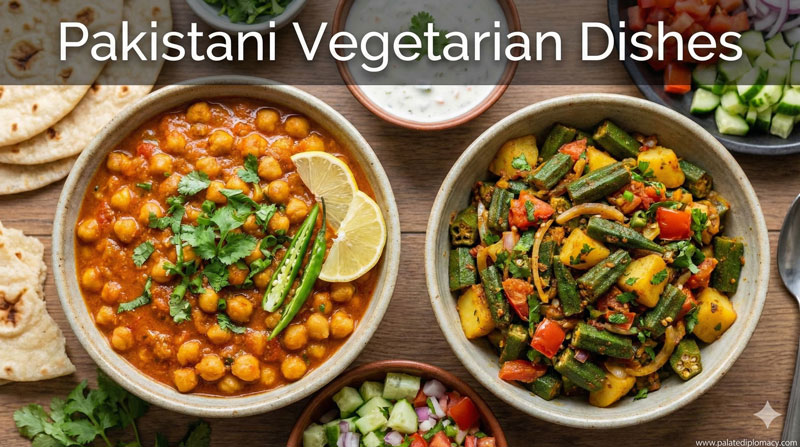
Introduction: Aloo Bhindi as a Window into Pakistani Home Cooking
Aloo bhindi is a simple dish that speaks volumes. It unfolds in the home kitchen, where everyday groceries become a celebration of flavor. Potatoes and okra meet onion, tomato, garlic, and ginger, all united by a warm blend of spices. The result is comforting, familiar, and quietly proud. In this dish, you taste the heart of everyday Pakistani Food Culture: practical ingredients, careful technique, and a rhythm that welcomes family to the table.
Core Ingredients and Their Meaning
At the core are two humble stars: aloo (potato) and bhindi (okra). Potatoes bring softness and substance, a reminder of pantry staples that stretch a meal. Okra adds a bright, green note and a gentle bite. Together, they balance texture and warmth. The kitchen round continues with onions, tomatoes, garlic, and ginger—foundation flavors that carry aroma and depth.
Spices form the soul of the dish. Cumin seeds release a nutty, toasty scent as they crackle in hot oil. Turmeric adds warmth and color. Ground coriander offers citrusy lift, while red chili powder brings a respectful warmth rather than overwhelming heat. A touch of salt ties it all together. Fresh herbs, like cilantro, brighten the finish. Optional touches—green chilies for more heat or a squeeze of lemon for brightness—are often guided by household taste. The result is a dish that feels both simple and thoughtfully seasoned.
The Cooking Rhythm: A Moment in the Kitchen
The method is practical and inviting. First, heat oil and let cumin seeds sizzle. Then add chopped onions and cook until they turn golden. Next, blend in garlic and ginger, followed by the spices. This is where aroma fills the room and signals the meal’s character. Add potato cubes and stir to coat them with spice. Cover briefly so the potatoes begin to soften. Now fold in the bhindi and chopped tomatoes. Stir gently to avoid breaking the okra. Let the pot simmer, a quiet simmer, until the vegetables are tender and the flavors mingle. A final squeeze of cilantro finishes the dish with freshness. The steps are straightforward, yet they Create a chorus of scent and taste.
Textures and Flavors: A Balanced Symphony
Aloo bhindi offers a balance of textures. The potato lends creaminess, while the okra retains a pleasant bite. The tomato base provides a gentle acidity that lifts the spices. The cumin’s warmth and coriander’s citrusy note weave through every bite. When cooked with care, the dish presents a harmonious blend: earthy, green, and bright at the same time. The result is not just a plate of food but a sensory story that lingers in memory—the steam, the aroma, the soft crunch, and the comforting finish.
A Dish of Hospitality and Everyday Life
This dish is often a centerpiece of hospitality in the home. It travels from stove to plate with care, signaling welcome and togetherness. It pairs beautifully with naan or roti, and with steamed rice, it becomes a complete, satisfying meal. Families share stories over a meal, and the aroma becomes a gentle invitation for loved ones to gather. Leftovers—brightened with a quick reheat or a fresh garnish—still feel comforting, showing how this dish adapts to daily life. In its quiet way, aloo bhindi reflects the generosity and warmth that define many home kitchens.
Regional Echoes and Everyday Variations
While the core idea remains constant, small regional and family variations appear naturally. Some cooks emphasize a stronger tomato base; others favor a drier, more sautéed finish. Some seasons use a touch more turmeric for color and warmth, while others lean into extra chilies for a livelier edge. Dairy is sometimes welcome in certain households, but many prepare the dish dairy-free, letting the vegetables and spices shine. Regardless of small tweaks, the central pairing of potato and okra with a thoughtful spice blend stays recognizable and beloved across kitchens.
Pairings and Plate: A Purposeful Serving
The dish shines when plated with flatbread like roti or paratha, which are perfect for scooping and savoring every bite. A small serving of yogurt or a cucumber raita can add a cooling contrast, highlighting the spice without overpowering it. Fresh cilantro on top offers a final green note and fragrance. This pairing reinforces the idea that meals are occasions for balanced flavors, shared moments, and respectful hospitality.
Conclusion: The Living Culture in a Pot
Aloo bhindi is more than a dish; it is a reflection of everyday Pakistani food culture. It honors the idea that a kitchen can transform simple ingredients into something memorable. The dish speaks through its textures, its aroma, and its steady, comforting flavor. It invites people to gather, eat slowly, and appreciate the beauty of home cooking. In every bite, you sense care, tradition, and the quiet strength of a culinary heritage that values nourishment, balance, and generosity.