
Introduction
Aloo bhindi is more than a dish. It is a gentle reflection of Pakistani Food Culture. Simple ingredients, clear flavors, and careful technique come together to tell a story of home and meals shared with care. The dish honors pantry staples and celebrates the beauty of everyday cooking. It invites warmth, aroma, and a sense of belonging at the table.
Ingredients and Craft
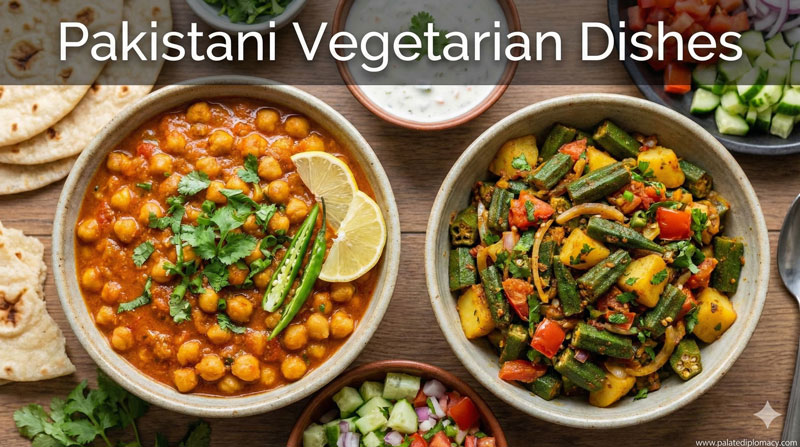
The core pair is potatoes (aloo) and okra (bhindi). Add onions, tomatoes, garlic, and ginger for depth. Spices like cumin, coriander, turmeric, and chili wake the flavors. A splash of oil brings the ingredients to life. The beauty lies in balance: potatoes for heartiness, okra for color and crunch, tomatoes for sweetness, and spices for aroma. Fresh herbs, like coriander, finish the dish with a bright touch. The result is a bright, comforting skillet of color and scent.
Frying with Aroma
Begin by warming oil in a wide pan. Temper the spices to release their perfume. Sauté onions until they glow with light browning. Add garlic and ginger, then spices. Stir to coat every piece. Next, layer in potatoes with a little water. Cover and let them soften gently. Finally, add okra pieces. Cook just until the edges turn crisp while the centers stay tender. Finish with tomatoes and a quick simmer. This rhythm—soft, then crisp, then bright—defines the dish’s character.
Cultural Significance in the Home Kitchen
Aloo bhindi Shines in the home kitchen as a symbol of practical, thriving everyday cooking. It uses seasonal produce and pantry staples, proving that delicious meals can arise from modest ingredients. The dish supports family cooking, where each cook adds a personal touch. Its approachable profile welcomes all ages to participate, from young helpers to seasoned home cooks. The steam, aroma, and sizzling sounds create a comforting ritual that marks the day’s meal with care.
Regional Voices
Across regions, tweaks honor local harvests and tastes. Some cooks add a touch more chili for heat; others adjust the tomato amount for a slightly tangy balance. A touch of lemon juice or fresh herbs at the end brightens the dish. These small changes show how a single recipe can carry many voices while staying true to its core ideas: heartiness, color, and a satisfying bite.
Serving and Pairings
Serve aloo bhindi with flatbread like roti or paratha, or with rice. A side of yogurt or a light pickle complements the dish’s richness. The arrangement on the plate—green okra, golden potato, red tomato—creates an inviting, multicolored presentation. The meal feels complete when shared with others, inviting conversation and smiles.
The Social Kitchen: Hospitality and Sharing
Hospitality shines through in every serving. Preparing this dish is an act of welcome. Guests are offered generous portions, warm bread, and a moment to savor the aroma. The dish embodies how food creates connection—one skillet, many voices, a table full of gratitude.
Tips for Home Cooks
- Dry the okra well before cutting to keep edges crisp.
- Use a wide pan to allow even browning and prevent crowding.
- Keep potatoes partially covered so they finish cooking without losing too much moisture.
- Adjust salt and spice gradually; a small pinch can transform the balance.
- Finish with fresh coriander for a bright lift.
Conclusion
Aloo bhindi is a celebration of practical cooking turned beautiful. It reveals how Pakistani food culture values warmth, balance, and shared moments at the table. With humble ingredients and thoughtful technique, it becomes a dish that honors home, family, and the joy of nourishment.