
Everything You Need to Know About Aloo Bhindi
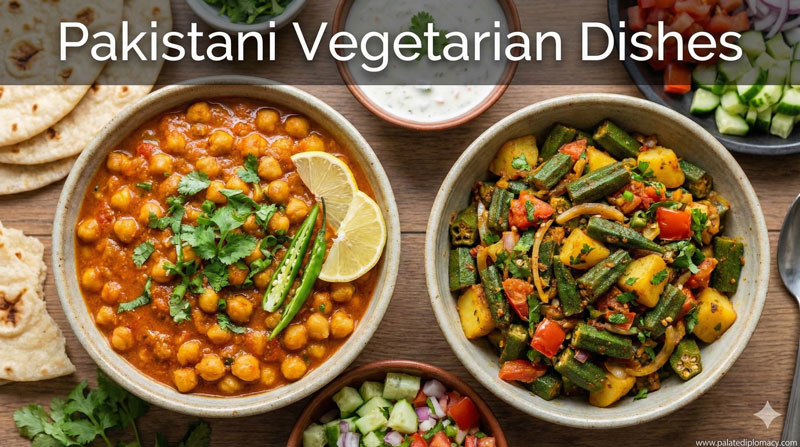
Aloo Bhindi is a beloved Indian dish that brings together potato and okra in a bright, flavorful pan. It celebrates simple ingredients, practical cooking, and a warm sense of home. The result is a dish that feels both comforting and fresh, perfect for weeknights and weekend meals alike.
What Makes Aloo Bhindi Special
This dish Shines in its balance of texture and aroma. The potatoes offer hearty comfort, while the okra adds a tender crunch. Together, they mingle with onions, garlic, and spices to Create a bright, savory coating. The method is friendly to home cooks, inviting experimentation while staying reliably delicious.
The Cultural Value of Aloo Bhindi
Aloo Bhindi is a staple in many Indian kitchens. It often appears on family tables when seasonal produce is at its best. The dish invites shared cooking, with family members taking turns chopping vegetables, stirring the pan, and tasting the spice levels. It is flexible, economical, and suitable for everyday meals as well as festive gatherings. In this way, Aloo Bhindi embodies warmth, care, and the joy of nourishing a loved one.
The Culinary Significance: Flavor, Texture, and Balance
Patience and technique bring out the best in this dish. Sautéing the vegetables with a light touch preserves their individual textures. The okra stays crisp-tender, while the potatoes become soft and fluffy inside. A simple tempering of cumin, mustard seeds, garlic, and onions releases deep aromas. A touch of turmeric or chili adds color and brightness, and a squeeze of lemon or a pinch of amchur can brighten the finish. This combination highlights how a few ingredients, treated thoughtfully, can deliver a memorable eating experience.
Key Ingredients and How They Speak
- Potatoes: They provide heartiness and substance, grounding the dish.
- Okra (bhindi): Adds a delicate, slight slipperiness and a gentle sweetness when cooked properly.
- Onions and garlic: Build the savory base and warmth.
- Spices: Cumin, coriander, turmeric, and chili powder contribute depth and color.
- Aromatics and finishing touches: Mustard seeds, curry leaves or garlic-chili accents, salt, and a hint of citrus or tangy powder.
- Oil: A neutral oil for frying and a little more for the tempering.
Techniques That Make It Sing
- Dry prep: Pat the okra dry before cooking to reduce sliminess.
- Separate cooking: Par-cook or crisp the potatoes first, then add the okra to keep both textures distinct.
- Tempering: Finish with a quick tadka (tempering) of seeds in hot oil to release fragrance.
- Gentle simmer: A short simmer helps the flavors mingle without losing the crunch of the vegetables.
Regional Variations Across India
Across regions, Aloo Bhindi takes on subtle twists. In some kitchens, a tomato base adds brightness and moisture; in others, a light coconut touch or curry leaves bring a fragrant, southern flair. In northern and central areas, cumin, coriander, and a touch of garam masala can appear, sometimes with a dash of amchur for tang. The choice of oil—mustard oil, peanut oil, or ghee—also flavors the dish differently. Each variation honors local tastes while retaining the core pairing of potatoes and okra.
Serving Ideas: How to Enjoy It
Serve Aloo Bhindi with hot, soft roti or steamed basmati rice. A dollop of yogurt on the side can add creaminess, while a fresh coriander garnish enhances color and aroma. It works well as a main vegetable dish for a light, balanced meal, or as a vivid side that brightens a larger spread.
Quick Tips and Variations
- For a lighter version, skip the tomato and keep the base spice routine.
- To boost protein, add chickpeas during the final simmer.
- For extra color, finish with chopped cilantro and a lemon wedge.
- You can adjust heat by controlling the chili powder or leaving fresh green chilies out for milder taste.
A Dish That Feels Like Home
Aloo Bhindi embodies the beauty of everyday cooking. It invites you to slow down, savor aroma and texture, and celebrate the simple joy of sharing a prepared meal with loved ones. This dish reminds us how color, aroma, and flavor can come together in a single pan to tell a story of nourishment and care.