
Introduction
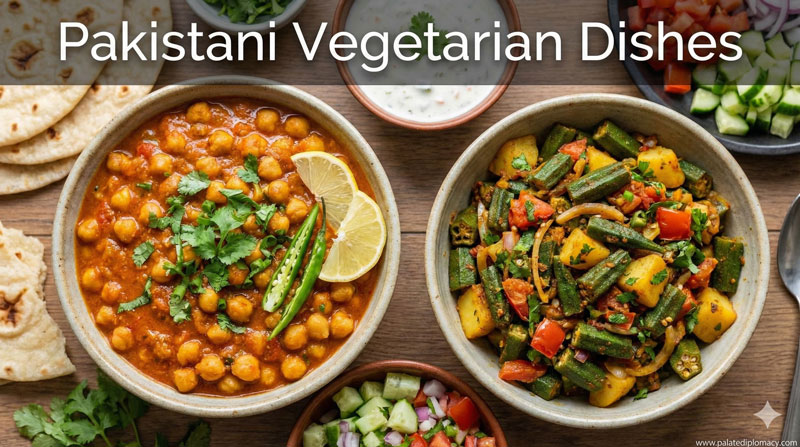
Aloo Bhindi is a dish that celebrates two everyday ingredients with remarkable harmony. Potatoes and okra come together in a bright, flavorful pan that feels both comforting and vibrant. In kitchens across the region, this dish stands as a friendly reminder that simple produce can shine when handled with care, attention, and a few well-chosen spices.
What is Aloo Bhindi?
Aloo Bhindi blends tender potatoes with crisp-tried okra. The result is a balance of heartiness and green freshness, a contrast of textures, and a savory aroma that lingers. The dish can be prepared as a dry sauté or with a light, tomato-based gravy. Either way, it centers on the playful interaction between starch and green pods, enhanced by tempering spices and fresh aromatics.
Core Ingredients and Technique
Key players are small potatoes, fresh okra, onions, tomatoes, and a chorus of spices. Common spices include cumin seeds, coriander powder, turmeric, and a pinch of chili for warmth. A touch of garam masala adds depth. Oil plays a crucial role, often a neutral base or a traditional mustard oil for a sharper note.
Preparation honors the texture goals. Pat dry the okra to minimize slime. Cut it into even pieces. Parboil or par-cook the potatoes so they finish tenderly with the okra. Begin with a quick tempering of spices in hot oil, then add onions and tomatoes to build a base. Stir in the potatoes and okra, season well, and cook until the flavors mingle. The key is balance: enough heat to tease the starch and herbaceous bite of the okra, but gentle enough to keep the okra from becoming too soft.
Cultural Value and Regional Traditions
Aloo Bhindi holds a cherished place in home cooking, where it serves as a reliable, seasonally flexible staple. It is common in many regional kitchens, adapting to available produce and local tastes. The dish embodies a spirit of everyday hospitality: a meal prepared with care for family and friends, shared with warmth and a sense of welcome.
You’ll find numerous regional twists. In some homes, curry leaves or a dash of mustard seed add a southern warmth. In others, a tomato-based twist creates a bright, tangy note that complements the starch of the potatoes. The dish is equally at home in a quick weeknight dinner or a larger, relaxed meal with breads, dal, and yogurt. Its flexible nature Makes It a unifying thread in many food traditions, highlighting how a few ingredients can anchor a meal with culture and memory.
Cooking Techniques for Texture and Flavor
Texture is central to the charm of Aloo Bhindi. Dry-frying the okra first helps keep it crisp. Avoid overcrowding the pan; give each piece space to sear. This preserves that satisfying bite. Sauté onions until they deepen in sweetness, then add tomatoes to Create a mellow acidity that lifts the dish. Finish with a gentle simmer so potatoes become creamy within and the okra remains green and distinct. A final blend of fresh cilantro or a squeeze of lemon can brighten the plate and echo the dish’s light, wholesome character.
Pairings, Serving, and Everyday Meals
Serve Aloo Bhindi hot with roti, chapati, or steamed rice. A side of lentil dal or a yogurt-based chutney complements its flavors beautifully. The dish shines as part of a family thali or a simple, comforting weeknight supper. Its color—green okra with pale potato—adds visual warmth to the table, inviting a satisfying pause between bites and conversations.
Variations and Playful Twists
Feel free to explore gentle twists that respect the core spirit. Add bell peppers for a sweeter bite, or toss in a handful of peas for a pop of color and texture. Some cooks blend in curry leaves, asafoetida, or fresh coriander at the end to lift the aroma. While the essence remains potato and okra, these light adaptations show how adaptable Aloo Bhindi can be while preserving its cultural heartbeat.
Healthful Notes and Nutrition
Aloo Bhindi offers a balanced profile: fiber from the okra and potatoes, comfortable energy from the starch, and a spectrum of minerals and vitamins. The dish remains naturally vegetarian and can be enjoyed as part of a mindful, varied diet. Cooking with moderate oil and a crisp finish helps preserve texture and flavor without heaviness.
Conclusion
Everything You Need to know about Aloo Bhindi reveals a dish that is more than the sum of its parts. It is a celebration of home cooking, regional flavors, and everyday nourishment. With careful technique, it becomes a bright, comforting presence on the table—an invitation to savor the beauty of simple ingredients and the culture they carry.