
Introduction
Aloo Bhindi is a bright, comforting dish that shines in Indian home cooking. It pairs potato and okra with a straightforward robe of spices. This dish holds a special place in daily meals and festive gatherings alike. It celebrates balance, warmth, and the joy of sharing a flavorful plate.
The Harmony of Textures and Flavors
The beauty of Aloo Bhindi lies in the contrast. The okra offers a crisp edge and a tender interior, while potatoes bring soft, hearty bites. A gentle spice blend adds aroma without overpowering the vegetables. The finished curry is savory, gently spiced, and inviting to the senses.
Aloo Bhindi in Everyday Indian Kitchens
Families reach for Aloo Bhindi on busy weeknights and lazy weekends alike. It uses affordable, common ingredients found in most pantries. The dish provides a satisfying, plant-based option that pairs well with rice or flatbread. Its simplicity lets the vegetables speak, while still delivering comforting flavor.
Spices and Techniques
Begin with a hot pan and a small amount of oil. Temper cumin seeds to wake the aroma. Add onions and a pinch of turmeric, then tomatoes if you Like a richer base. Stir in diced potatoes and sliced okra, along with salt and a balanced spice mix. Simmer until the potatoes are tender and the okra holds a delicate bite. The technique of tempering and gentle simmering helps the flavors mingle while preserving the vegetables’ character.
From Home to Feast: Occasions and Traditions
Aloo Bhindi travels easily from everyday meals to small family gatherings. It pairs beautifully with steamed rice, chapati, or parathas. Yogurt or a fresh chutney can brighten the plate, offering a cooling contrast. The dish invites conversation at the table and creates a sense of welcome and shared nourishment.
Regional Variations
Different regions bring subtle twists. Some kitchens emphasize cumin and coriander for a clean, bright note. Others may add a leaf of curry or a dash of chili for a warmer edge. Frying the okra briefly to reduce slime is another common technique in some homes. These variations showcase how a simple idea can adapt to local tastes while preserving its core charm.
Nutritional and Culinary Significance
Aloo Bhindi offers fiber from okra and energy from potatoes, making it a balanced option in a vegetarian meal. The dish is light on oil when cooked thoughtfully, yet deeply satisfying. It demonstrates how pantry staples can merge into a dish that nourishes and delights. This is the essence of its culinary significance: accessibility, care, and flavor in harmony.
Pairings and Plate Presentation
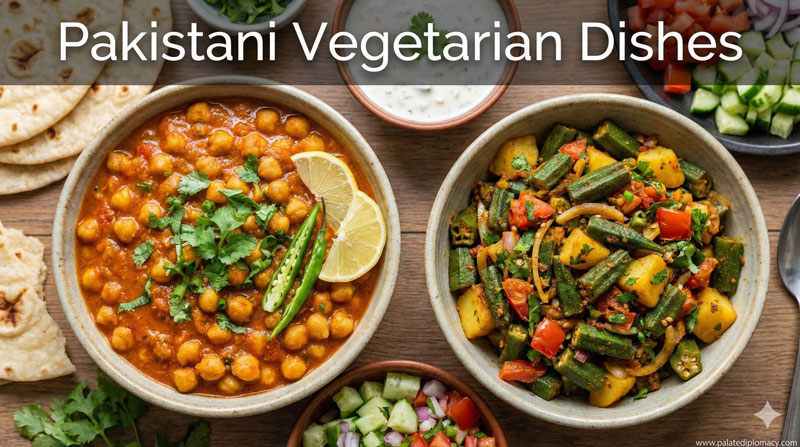
Serve Aloo Bhindi with warm roti, soft chapati, or fluffy rice. A yogurt-based side or tangy chutney complements the spices and adds brightness. The dish looks inviting on the plate, with green okra and pale gold potatoes harmonizing in color and texture. A simple garnish of fresh herbs can lift the aroma and finish.
Conclusion
Top reasons people love Aloo Bhindi boil down to texture, aroma, and the heart of home cooking. The dish embodies cultural value through its everyday accessibility and comforting flavors. It stands as a culinary symbol of balance, abundance, and shared meals—delighting both the senses and the spirit of gathering around the table.