
Why Amala Is One of Nigeria’s Most Loved Dishes
Amala stands as a beloved pillar of Nigerian meals. Its deep color and smooth texture invite the eye, and the aroma invites the appetite. In homes, markets, and street corners, Amala sits at the heart of many meals. This dish is more than sustenance; it signals warmth, welcome, and shared moments. It travels from kitchen to table with ease, carrying stories of family and daily life. In this post, we explore the cultural value and culinary significance that keep Amala cherished across Nigeria.
A Simple, Bold Foundation
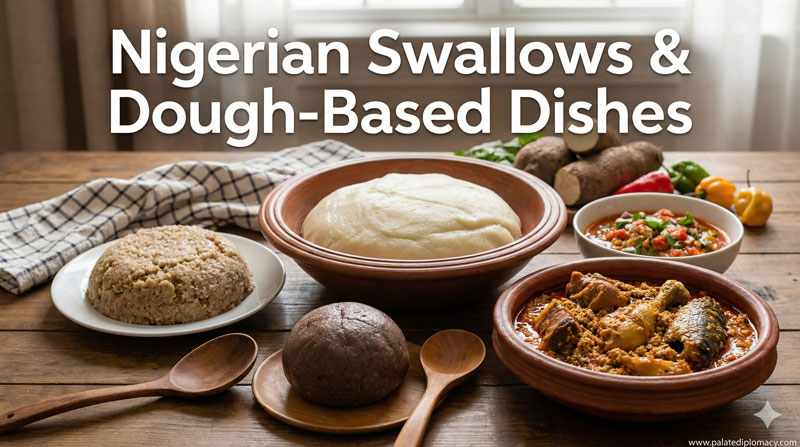
Amala begins with yam flour, known as elubo. The flour is whisked into hot water, then stirred until it forms a smooth, glossy dough. The color ranges from rich dark brown to near black, depending on the flour and cooking time. The method is straightforward, yet it yields a sturdy base that holds sauces well and soaks up flavor. This foundation makes Amala versatile and reliable for many meals.
Texture, Color, and Comfort
The dough is elastic and soft, with a gentle spring. It breaks into portions easily, ready to scoop with fingers or a spoon. The dark, glossy surface signals readiness and quality. Each bite offers a comforting balance: the dough provides structure, while the accompanying sauce delivers aroma and depth. The experience is simple, but it feels deeply satisfying and familiar.
Cultural Value
Amala embodies hospitality. When a bowl is set on the table, it invites conversation and shared appetite. Families often prepare Amala together, turning cooking into a cooperative ritual. The dish travels to weekend gatherings and everyday meals, marking times of togetherness. Its versatility makes Amala a common choice for both everyday fare and festive occasions alike. In many homes, preparing Amala becomes a small act of care that strengthens bonds.
Culinary Significance
Culinarily, Amala Shines in its ability to pair with a range of soups. Egusi, Ogbono, and Ewedu are popular companions, each bringing a distinct character. Amala acts as a neutral, malleable partner that carries and enhances the Flavors of the sauce. The pairing highlights technique: the right softness to balance richness, and the right bite to contrast with a thick, hearty soup. In this way, Amala elevates simple ingredients into A Complete meal that can feel both everyday and special.
Serving Traditions and Pairings
Across Nigeria, Amala is commonly served with a variety of soups. A steaming bowl of Egusi or Ogbono sits beside a smooth mound of Amala. Dishes like Ewedu with Gbegiri can also accompany Amala. Diners break off a portion, roll it around the lips of the bowl, and scoop a bite of soup. This rhythm of dipping and sharing reinforces the social aspect of the meal and invites everyone to participate.
Regional Touches
Though strongly associated with Yoruba culinary traditions, Amala has found affection beyond one region. It adapts to local tastes and ingredients, showing its flexibility. In different households, you may notice variations in texture or serving style, yet the essence remains the same: a simple dough that welcomes rich soups and warm conversation. The dish travels lightly and fits many tables with grace.
Quick Tips for a Perfect Amala
- Choose good yam flour and fresh water for best texture.
- Stir steadily to avoid lumps and to build a smooth surface.
- Let the dough rest briefly after cooking to set its gloss.
- Pair with a soup you enjoy; Amala welcomes variety.
Conclusion
Amala’s enduring appeal lies in its texture, color, and role at the table. It provides a reliable, comforting base that supports a wide range of flavors. The cultural value grows each time a family shares a meal, and its culinary significance remains clear in kitchens and eateries across Nigeria. Amala is more than a dish; it is a warm invitation to togetherness and taste.