
Introduction
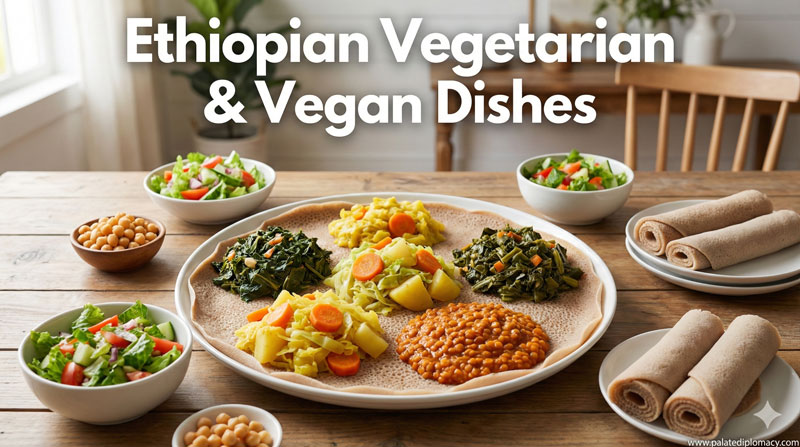
Atkilt Wat, a humble pot of cabbage, carrots, and potatoes, offers a window into Ethiopian food culture. In this dish, simple ingredients are treated with respect, allowing natural sweetness and gentle spice to sing together. Each bite speaks of family kitchens, seasonal markets, and the patient craft of home cooks. The dish is inviting, balanced, and deeply rooted in everyday life. It shows how food can be comforting, colorful, and communal all at once.
The Heart of Atkilt Wat
Atkilt Wat centers on a bright trio: cabbage, carrots, and potatoes. These vegetables meet a soft onion base and a touch of garlic. Gentle heat releases their flavors without overpowering them. The result is a dish that feels light yet satisfying. Mild spices, such as turmeric or a hint of ginger, add warmth and depth without dominance. This balance mirrors a core value in Ethiopian cooking: harmony between fresh produce and careful seasoning.
A Plate That Brings People Together
Meals around Atkilt Wat are social events. Injera often serves as the shared plate, with pieces torn and used to scoop the vegetables. This way of eating promotes conversation, eye contact, and a sense of togetherness. The dish fits many occasions—simple weekday dinners, family gatherings, or a comforting shareable meal after a busy day. The act of gathering around a bowl of Atkilt Wat turns food into a shared experience rather than a solitary one.
Color, Texture, and Story
Atkilt Wat Is a celebration of color. The pale greens from cabbage mingle with orange from carrots and the creamy tones of potatoes. Steam rising from the pot carries a gentle aroma of onions and spices. The textures offer contrast: soft-talling vegetables beneath a toothsome bite. This interplay of color and texture reflects the broader Ethiopian love for visual appeal and tactile satisfaction in meals.
Nutrition and Balance in Everyday Dining
This dish emphasizes plant-forward cooking. It offers fiber, vitamins, and a satisfying mouthfeel with minimal fat. The vegetables provide a natural sweetness that reduces the need for heavy sauces. When served with injera, Atkilt Wat becomes A Complete, nourishing option for everyday meals. The approach highlights a culinary value: food that sustains health while remaining delicious.
The Craft of Slow Simmer and Spice
Cooking Atkilt Wat is a careful act. The onions soften slowly to release their sweetness. Carrots and cabbage gain tenderness while retaining structure. A light sprinkle of turmeric or other mild spices adds warmth and color. The process invites patience and attention, qualities that are prized in Ethiopian kitchen craft. The result is a dish that tastes crafted, not hurried.
Injera as Plate and Partner
Injera plays a key role beyond accompaniment. It acts as a flexible plate, a utensil, and a shared surface. Diners tear pieces to scoop the Atkilt Wat, then wrap a bite with a piece of injera. This practice embodies a culture of reciprocity and ease. It invites everyone to participate, emphasizing generosity and comfort in daily meals.
Seasonal Rhythm and Everyday Life
Atkilt Wat links cooking to the seasons. Seasonal cabbage and carrots influence the dish’s flavor and texture. Home cooks adapt to what markets offer, creating a sense of place with every batch. This adaptability shows respect for local produce and the rhythms of daily life. The dish remains familiar even as small changes happen from month to month.
A Window into Everyday Ethiopian Cooking
More than a recipe, Atkilt Wat reflects a philosophy of care in the kitchen. It demonstrates how simple foods can carry memory, gratitude, and shared joy. The dish stands as a reliable everyday hero: easy to prepare, seasonally aware, and endlessly adaptable. Its beauty lies in how it invites modest ingredients to become something comforting and meaningful.
Conclusion: Embracing Atkilt in Modern Kitchens
Today, Atkilt Wat continues to charm home cooks and guests alike. It invites experimentation—adding peppers for a gentle kick, or mixing in other seasonal vegetables while preserving its core balance. The dish remains anchored in tradition, yet welcoming to new interpretations. By savoring Atkilt Wat, we celebrate the artistry of Ethiopian home cooking and the warmth it brings to the table.