
What Makes Atkilt Wat So Special in Ethiopia
Atkilt Wat is more than a dish. It is a bright, comforting symbol of Ethiopian hospitality, shared together around the table. This vegetable stew blends color, scent, and seasonal produce into a meal that feels both simple and deeply meaningful. When people welcome you with a bowl of Atkilt Wat, they welcome you into a tradition that values warmth, balance, and togetherness.
The Core of Atkilt Wat: Ingredients and Craft
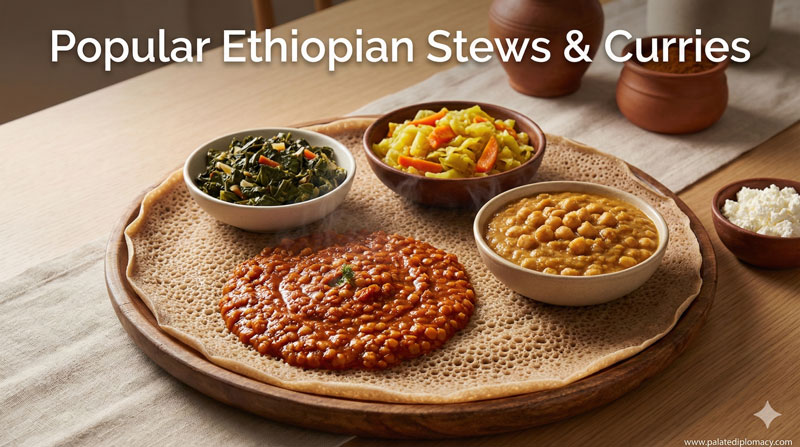
Atkilt Wat is built on a few honest ingredients: potatoes, carrots, cabbage, onions, and sometimes green beans or peas. The vegetables are cut into bite-sized pieces and simmered gently until tender. The base often starts with onions sautéed in clarified butter called niter kibbeh, which adds a fragrant, nutty sweetness. Spices add subtle depth rather than heat; turmeric, cumin, coriander, and a hint of ginger or garlic create a warm, inviting aroma. The dish is commonly finished with a touch of mild heat from paprika or black pepper, but it remains a gentle, family-friendly stew rather than a fiery one.
The cooking method is restorative in its patience. The vegetables soften, release their natural sweetness, and mingle with the subtle spice notes. The result is a silky, fragrant sauce that clings to each vegetable piece. A squeeze of fresh lemon or lime can brighten the finish, highlighting the dish’s uplifting character. This balance—soft vegetables, soothing spices, and bright citrus—defines Atkilt Wat’s culinary signature.
A Dish of Shared Gratitude
In Ethiopian dining culture, meals are often a communal experience. Atkilt Wat shines in this context because its ingredients are accessible and familiar to many households. Families grow or purchase vegetables that suit the season, then gather around injera—the spongy flatbread that soaks up flavors and adds a pleasant texture. Serving Atkilt Wat on injera creates a harmony of soft, chewy bread and tender vegetables, inviting guests to scoop and share.
This dish embodies hospitality. When a host places a bowl of Atkilt Wat on the table, they signal a desire to nourish everyone present. The act of sharing reinforces bonds, fosters conversation, and creates a sense of belonging. The dish’s straightforward preparation makes it approachable, while its comforting aroma elevates the moment, turning a simple meal into a memorable gathering.
The Match Between Atkilt Wat and Injera
Injera is more than a plate for Atkilt Wat; it is an edible vessel that shapes the eating experience. The slightly sour, airy texture of injera contrasts with the soft, savory vegetables of the stew. Diners tear a piece of injera, use it to scoop up the vegetables, and savor the mingling of tangy bread with seasoned vegetables. This pairing is a daily ritual in many Ethiopian homes and a centerpiece at festive meals. The combination highlights a philosophy of balance—between grain and vegetable, sour and savory, bite and bite.
Seasonal Colors, Timeless Tastes
Atkilt Wat is adaptable to the rhythms of the harvest. In harvest months, potatoes, carrots, and cabbage arrive in abundance, making the dish particularly vibrant. In other seasons, cooks may lean on preserved or dried vegetables and still capture the same comforting essence. The dish’s flexibility showcases a practical culinary value: turning simple produce into a nourishing, flavorful meal that can be enjoyed at any time of year.
The colors tell a cultural story as well. The orange of carrots, the pale green of cabbage, and the golden sheen from niter kibbeh reflect a landscape of fields tended with care. The visual appeal of Atkilt Wat invites a closer look and a deeper appreciation for the seasonal gifts that arrive at the kitchen door.
Regional Nuances, Shared Principles
Different households and regions add small touches to Atkilt Wat. Some cooks include green beans for a crisp pop, others omit them for a softer texture. A whisper of fenugreek, a pinch of black pepper, or a dash of bay leaf can appear depending on family tradition. Yet the core remains constant: vegetables simmered slowly in a fragrant, mild-spiced base, finished with a gentle brightness.
These variations highlight a central principle of Ethiopian cuisine: respect for regional voices within a shared culinary language. The dish remains a unifying thread, linking families and neighborhoods through familiar flavors while allowing personal touches that celebrate local gardens and pantry staples.
The Art of Slow, Thoughtful Cooking
Atkilt Wat rewards patience. The best versions allow flavors to meld gradually as the onions soften, spices bloom, and vegetables surrender their sweetness. A low simmer encourages uniform tenderness without losing individual vegetable character. This slow method mirrors a broader cooking ethos found in many Ethiopian kitchens: food prepared with care becomes nourishment for body and spirit.
This attention to process also makes Atkilt Wat a practical teaching dish for new cooks. It demonstrates how a few well-chosen ingredients can become something harmonious with time and gentle heat. It invites beginners to practice knife skills, temperature control, and timing, while rewarding experienced cooks with a dish that always feels familiar and comforting.
Values in Every Bite: Nutrition and Nourishment
At its heart, Atkilt Wat is a plant-forward dish rich in fiber, vitamins, and minerals. The vegetables provide a colorful spectrum of nutrients, while the spices offer aromatic depth and potential anti-inflammatory benefits. Prepared with olive oil or niter kibbeh, the dish carries nourishing fats that support the absorption of fat-soluble vitamins from the vegetables. Served with injera, it becomes a complete, satisfying meal that supports balanced eating.
Culturally, this emphasis on plant-based nourishment reflects a long-standing appreciation for vegetables as the main stage of a daily meal, with grains and bread serving as their generous companions. The result is a wholesome, approachable dish that nourishes families and friends alike.
Etiquette, Hospitality, and Sharing Moments
Eating Atkilt Wat is an invitation to conversation and connection. Hosts often present the dish with care, describing its ingredients and the gentle care that went into preparing it. Guests respond with thanks and appreciation, sometimes offering a bite back to the host as a sign of mutual generosity.
Gursha, the act of feeding a person with your hand or spoon as a gesture of care, is a cherished part of Ethiopian dining culture. While not universal in all households, this act embodies trust, warmth, and closeness. Whether shared through gursha or a simple passing of bowls, the spirit of giving and receiving enriches the meal.
A Dish Forked Toward the Future
Atkilt Wat continues to evolve while honoring its roots. Modern kitchens explore new textures and ideas, experimenting with smaller vegetable cuts, additional herbs, or a touch of Coconut Milk for a gentle, tropical note. Yet even with these modern twists, the dish remains rooted in a tradition of balance, hospitality, and seasonal abundance.
This connection between past and present keeps Atkilt Wat relevant and beloved. It is a reminder that cooking can be a daily ritual of care—nourishing the body and inviting the heart to slow down and savor the moment.
Why Atkilt Wat Remains Special
Atkilt Wat stands out because it speaks to shared meals, community, and everyday joy. It is a celebration of vegetables, a tribute to patient cooking, and a dependable centerpiece for gatherings big and small. Its mild, comforting flavors welcome people of all ages and backgrounds to the table.
In Ethiopia, food is a language of welcome, and Atkilt Wat is a fluent speaker. It tells The Story of a people who treasure generosity, seasonal bounty, and the art of turning simple ingredients into a nourishing experience. By embracing Atkilt Wat, you participate in a culinary tradition that values harmony, respect for food, and the deep pleasures of a well-ted meal.
If you are curious to explore Ethiopian cuisine, start with Atkilt Wat. Observe how the vegetables release their sweetness, how the spices wake gently, and how the dish invites you to share. The experience can be as warming as the sunlit kitchens where it is made, and as comforting as a familiar, beloved family recipe passed down through generations.
A Gentle Invitation
To readers and cooks alike, Atkilt Wat offers a welcoming doorway into Ethiopian food culture. It teaches us that complexity can be achieved with kindness, that nourishment can come from simple, well-loved ingredients, and that meals are a moment to connect with others. Consider preparing Atkilt Wat for your next family dinner or community gathering. Let the colors, aromas, and flavors carry you into a place where meals become memories, and tables become bridges of friendship.