
What Makes Atkilt Wat So Special in Ethiopia
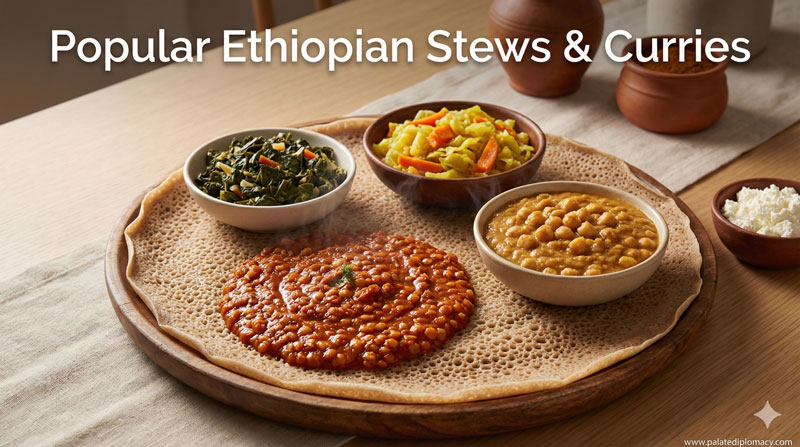
Atkilt Wat is more than a vegetable stew. In Ethiopia, it is a beloved expression of home cooking, seasonal abundance, and everyday hospitality. The dish centers on bright cabbage, carrots, and potatoes, gently simmered with onions, garlic, and ginger. Turmeric and light spice lift the flavor without overpowering the fresh sweetness of the vegetables. When served with injera, the sour, spongy flatbread made from teff, Atkilt Wat becomes a vibrant duet of textures and tastes. The combination captures a family’s kitchen rhythm and the welcoming spirit of Ethiopian dining.
In many households, Atkilt Wat marks a reliable staple for weekday meals and a comforting option during slower, quieter days. Its color is inviting: pale greens, warm oranges, and creamy neutrals mingle on the plate. This visual appeal is as much a part of its appeal as the aroma that rises from the pot. The dish embodies balance—soft vegetables, a gentle tang, and a finish that invites another bite. That balance mirrors the care Ethiopians bring to everyday meals, where food is a bridge between generations and a sign of care for all who gather at the table.
The Core Ingredients and Their Cultural Significance
The backbone of Atkilt Wat is a straightforward trio: cabbage, carrots, and potatoes. These vegetables are widely available and longtime pantry staples in Ethiopian kitchens. Onions provide sweetness and depth, while garlic and ginger offer warmth and perfume. A touch of turmeric brings a soft golden hue and a subtle earthiness that complements the veggies. The dish often finishes with a drizzle of olive oil or, in some homes, a bit of niter kibbeh (spiced clarified butter) to add richness.
Injera, the sour flatbread served alongside, is more than a plate companion. It is a cultural stage upon which Atkilt Wat performs. Each bite uses torn pieces of injera to scoop and capture the vegetables, blending the tang of the bread with the gentle sweetness of the stew. This pairing reflects a larger pattern in Ethiopian meals: food that invites sharing, conversation, and communal tasting. In that sense, Atkilt Wat contributes to a sense of belonging around the table.
Preparation as a Shared Practice
Many cooks approach Atkilt Wat as a family project. The prep work—shredding cabbage, slicing carrots, and dicing potatoes—becomes a chance to teach and pass down tips. Elders often guide younger hands in layering flavors, from sautéing onions to adding spices at the right moment. The aroma alone signals that a meal is forming, and that it will soon bring people together.
Sautéing onions slowly is a common starting point. This step builds the dish’s sweetness and aroma, which then becomes a canvas for garlic, ginger, and turmeric. Vegetables are added in stages to preserve texture and color. The simmering period allows flavors to mingle, releasing gentle perfume that fills the kitchen. The result feels crafted and generous, as if the cook invited time itself into the pot to help soften and harmonize every note.
The Flavor Profile and Texture
Atkilt Wat offers a bright, comforting flavor. The cabbage provides a mild crunch that yields to tenderness, while carrots contribute sweetness and depth. Potatoes bring a creamy, earthy element that rounds the dish. The onions lend a savory foundation, and the ginger adds a subtle zing. Turmeric adds warmth and a gentle earthiness that ties the vegetables together. The overall effect is not spicy; it is approachable and soothing, making it suitable for all ages.
Texturally, the dish balances soft, almost melt-in-your-mouth vegetables with crisp edges from brief sautéing. When spooned onto injera, the mix of textures is even more pronounced. The bread soaks up the juices, and the blend of soft vegetable chunks with the slightly sour bread creates a satisfying mouthfeel. The result is a dish that feels clean, bright, and wholesome.
Serving Traditions and Etiquette
Atkilt Wat is most often presented in a large communal bowl or platter, shared among seated diners. Guests tear pieces of injera and use them to scoop the vegetables, rather than using utensils. This method highlights a culture of close sharing and mutual enjoyment. Cleaning the plate together is a quiet statement of gratitude for the meal and the company.
In many households, a small garnish—Like a wedge of lemon or a sprinkle of fresh herbs—adds a final touch that brightens the plate. The act of serving is as important as the flavor itself. Hospitality shines through the careful arrangement, the warmth in the kitchen, and the deliberate pace of the meal. Attending to Atkilt Wat with care reinforces social bonds and the joy of gathering around the table.
Regional Variations and Seasonal Staples
While the core concept remains consistent, regional and seasonal variations bring subtle differences to Atkilt Wat. Some cooks add celery, green beans, or peas for extra color and texture. Others lean on local vegetables that are available at the moment, letting seasonality shape the dish. A few households favor a heartier version with a touch more oil or a deeper spice profile, while others keep it light to showcase the natural sweetness of the vegetables.
This flexibility reflects a food culture that values freshness and adaptability. It also demonstrates respect for home cooks and their personal styles. The dish remains recognizable as Atkilt Wat even when ingredients shift with the seasons, preserving its identity while celebrating local abundance.
The Place of Atkilt Wat in Everyday Life
Atkilt Wat sits at the heart of daily eating in many Ethiopian homes. It is a reliable, nourishing option that can be prepared with readily available ingredients, making it a comforting choice for busy days. Its plant-forward nature aligns with the rhythms of fasting periods in Ethiopian culture, when meat is limited and vegetables take center stage. Even outside those moments, Atkilt Wat embodies a thoughtful, balanced approach to meals—one that honors produce, time, and care.
The dish also plays a role in communal and festive meals. It appears alongside other staples, forming a chorus of flavors that celebrates hospitality and togetherness. In these moments, Atkilt Wat helps people connect—through shared plates, shared stories, and shared gratitude for good food.
Pairings and Occasions
Atkilt Wat shines with injera, but it also pairs well with other Ethiopian staples like asa (fish) or Doro Wat, when plenty of variety is available. The gentle flavors make it a versatile partner for beverages and small bites that appear at gatherings or family meals. The dish can anchor a simple lunch or elevate a weekend feast by offering a comforting, nutritious option for all ages.
Coffee ceremonies and tea breaks often follow meals that feature Atkilt Wat. The calm, social pace of these moments complements the dish’s soothing nature. A light conversation about cooking techniques, harvests, or family favorites often grows after the first bites, reinforcing the idea that food is a shared art.
A Taste of Ethiopian Hospitality
Atkilt Wat embodies a spirit of hospitality that Ethiopians bring to the table every day. It invites friends and family to sit, share, and savor together. The dish speaks softly of care, patience, and respect for ingredients. It welcomes both everyday meals and special dinners, always offering warmth without heaviness. By embracing Atkilt Wat, diners glimpse a culture that values nourishment, connection, and the simple joy of a well-made meal.
If you are curious about Ethiopian cuisine, let Atkilt Wat be your invitation. It is not only about vegetables; it is about the rhythm of a kitchen, the generosity of a table, and the beauty of food prepared with heart. This humble stew, paired with injera, stands as a bright, enduring testament to the culinary soul of Ethiopia.