
A Complete Guide to Enjoying Banga Soup Like a Local
Banga soup shines as a warm invitation to share food, memory, and craft. This guide invites you to taste not only a dish but a living thread in a coastal culinary tradition. From the first aromatic waft to the last rich swallow, Banga soup speaks of hospitality, skill, and a deeply rooted sense of place. Let us walk through how locals savor this palm-fruit broth, how the textures come alive, and why the dish holds a special place at the table.
What is Banga Soup?
Banga soup is a palm fruit–based broth that forms The Heart of many Niger Delta meals. The golden-orange palm fruit extract is simmered with peppers, spices, and a choice of fish or meat. The result is a hearty, glossy soup with a comforting aroma and a depth that grows with each ladle. In local kitchens, the recipe evolves with family hands and seasonal flavors, yet the essence remains the same: a bright, satisfying soup built around palm’s natural sweetness and a peppery kick.
The Flavor and Aromas at the Core
The aroma of Banga soup is instantly inviting. You sense the nutty, slightly caramelized scent of palm fruit, mingled with hot peppers and smoky fish or meat. Fresh herbs and spices lift the broth, giving it a vibrant, well-rounded profile. The color—a deep, warm red-brown—signals richness, while the texture hints at thick, luxurious broth that clings to swallow foods. When you sip the soup, you often notice a gentle sweetness balanced by spice and a touch of salt. The resulting harmony makes the dish feel both familiar and exciting, a testament to careful seasoning and thoughtful preparation.
The Ingredients and Their Significance
Core elements include palm fruit extract, peppers, and a protein such as fish or meat. Crayfish and stockfish are common companions that add oceanic savor and a subtle saltiness. Some cooks finish the broth with scent leaves or a dash of herbs to brighten the palate. Ehuru seeds (calabash nutmeg) or other warm spices may appear in regional versions, lending a nuanced aroma. These components work together to create a round, confident flavor that can stand up to hearty starchy sides. The ingredients matter, but their balance matters more—an art the cook learns through practice and patience.
The Cooking Rhythm: From Palm Fruit to Pot
Making Banga soup is a rhythm of steps that many families perform with practiced ease. Begin with rinsed palm fruits, then simmer to soften. The fruit pulp is mashed or pressed to release the oil and flavors, producing a glossy broth. The base is then seasoned with peppers and salt, and finally enriched with fish, meat, or both. Crayfish and dried fish add texture and a touch of brine. The soup simmers gently, gathering intensity as it thickens. The cadence—boil, mash, simmer, taste, adjust—reflects the care that goes into a meal prepared for sharing.
Eating Like a Local: Etiquette and Presentation
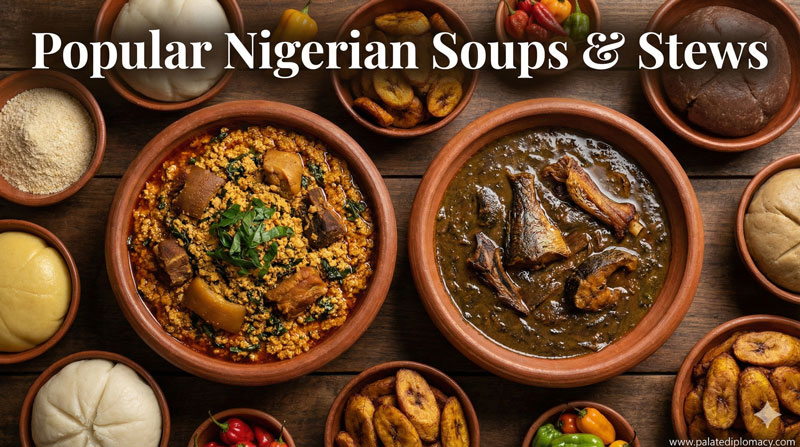
Locals savor Banga soup in a spirit of communal enjoyment. A traditional table centers around a warm bowl of broth and a selection of swallow foods such as fufu, pounded yam, or gari (starch). Break a portion of the starch, dip it into the broth, and lift it to your mouth with deliberate, relaxed motions. Take small sips to appreciate the aroma and the evolving taste as the starch absorbs the soup. The experience is as much about conversation and pacing as it is about flavor. Guests are welcomed with generous bowls, and the act of serving itself signals hospitality and friendship.
Textures, Pairings, and How to Build a Plate
A key pleasure of Banga soup is its pairing with starch. Common choices include fufu, pounded yam, or gari—each offering a different mouthfeel that complements the broth. Some diners prefer boiled yam or plantain for color and contrast. The protein—fish, goat, or beef—adds a satisfying chew and a savory counterpoint to the soup’s sweetness. Crayfish and light herbs contribute subtle crunch and aroma. If you enjoy a little brightness, add a squeeze of citrus at the end or a few fresh leaves to lift the palate. The idea is balance: a glossy, flavorful broth, a soft or slightly chewy swallow, and a protein that resonates with the overall sweetness and spice.
Regional Voices: Variations Across Delta and Coast
Banga soup travels through many communities, and thus regional voices abound. In Edo and Itsekiri areas, the spice profile may lean toward a robust pepper finish with a smoky note from dried fish. Urhobo and Isoko kitchens might emphasize a brighter herb finish and a touch of Ehuru for warmth. Coastal households often favor a slightly lighter broth with more pronounced fish aroma, reflecting the local catch. Despite these differences, the core idea remains the same: a palm-fruit foundation, a pepper-driven brightness, and a heartfelt layer of seasonings that invite you to slow down and enjoy.
The Cultural Rhythm: Food as Hospitality and Celebration
Banga soup is more than a meal; it is a thread in social life. It appears during family gatherings, market days, and Sunday meals, weaving together cooks, neighbors, and guests. The dish invites conversation, shared tasks, and generous portions. Serving Banga soup signals welcome: you are invited to partake, to listen, and to celebrate the moment. The table becomes a mini-lesson in community, where everyone contributes to the rhythm—some peel, some stir, some simply savor. In this way, the dish carries cultural value that extends beyond taste into the fabric of daily life.
Quick Tips for an Authentic Experience
- Seek fresh palm fruit extracts or well-made palm nut products for a bright, authentic base.
- Choose firm, clean fish or a preferred meat to balance the broth with texture.
- Don’t rush the simmer; a gentle, steady heat helps the flavors meld.
- Pair with a starch you enjoy—fufu, gari, or pounded yam all work beautifully.
- Taste as you go, and let local herbs and spices guide the final seasoning.
A Gentle Note on the Experience
Enjoying Banga soup is about presence as much as flavor. Allow the aroma to greet you before the first bite. Notice how the soup clings to the swallow and how the flavors unfold with each mouthful. The dish invites quiet appreciation as well as lively conversation. In that balance, you discover why Banga soup remains a cherished staple—beautiful in its simplicity, generous in its resolve to bring people together.
Closing: Embracing the Local Taste
Whether you encounter Banga soup in a busy market kitchen or a home gathering, the experience remains a celebration of craft, hospitality, and shared food. The dish carries memory and meaning in every spoonful, and it welcomes you to participate in a living culinary tradition. By approaching Banga soup with curiosity, respect, and a willingness to savor, you honor the cooks and the culture that make this dish so beloved. Enjoy the warmth, the aroma, and the subtle complexity that make Banga soup truly a Local treasure.