
A Complete Guide to Enjoying Banga Soup Like a Local
Banga soup is a bright, palm-fruit broth from the Niger Delta. It celebrates color, aroma, and depth. This guide explores its cultural value and culinary significance. By following these tips, you can experience the dish as locals do. Let us begin with What Makes Banga unique.
The Cultural Value of Banga Soup
Banga soup signals welcome and togetherness. Families prepare it for everyday meals and special gatherings. The dish carries stories of seasonal markets, shared effort, and warm conversation. Its preparation invites collaboration, from selecting ingredients to tending the simmering pot. In every bowl, you taste memory and care.
Core Ingredients and What They Bring
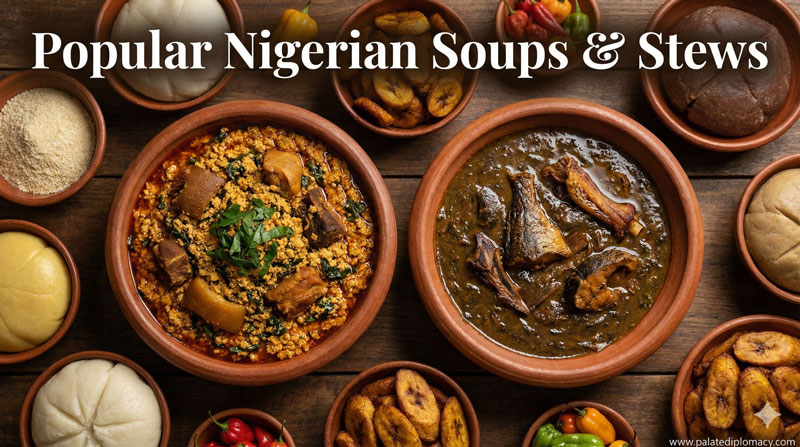
Palm fruit oil gives the soup its rich, amber hue. Fresh fish, smoked fish, or meat add savory depth. Crayfish and onions wake the broth with a gentle bite. Pepper brings warmth, while scent leaf adds a bright, herbal note. This combination creates a balance of comfort, freshness, and brightness.
The Cooking Process in Brief
First, the palm fruit is cooked to release the oil. The oil and pulp form a velvety base. Next, meat or fish join the pot, then aromatics and seasonings. The soup simmers until the flavors meld. Finally, add scent leaf to finish and lift the aroma. The result is a fragrant, hearty broth ready to enjoy.
Savoring Banga Soup: Etiquette and Tasting Tips
Serve Banga soup hot to capture its full aroma. Eat with a starch like garri, fufu, or pounded yam. Dip a piece of starch into the soup and savor the combination of texture and taste. Take small sips to notice the layered flavors. Enjoy the broth’s warmth, followed by the comfort of the starch. This pacing helps you experience its depth fully.
Pairings and Serving Traditions
Starch is the classic partner, soaking up the rich broth. Some enjoy Banga with boiled plantains or a simple, bright side salad. The dish shines when shared in a relaxed setting with friends or family. The serving vessel—often a wide pot or bowl—encourages generous servings and easy scooping. A clean spoon or fingers, depending on local custom, completes the experience.
Regional Variations and Personal Touches
Different communities adjust heat levels and herbs to their taste. Some add additional spices for a bolder edge. Others emphasize seafood only, while some use meat for more heft. These tweaks reflect local pantry choices and family traditions. Yet the core idea remains: a fragrant, comforting palm-fruit broth that welcomes everyone.
A Quick Guide for Travelers and Home C cooks
Visit local eateries to hear the pot simmer and to witness the method firsthand. When cooking at home, choose good palm fruit oil for the base. Balance salt, heat, and aroma to suit your palate. Remember to finish with scent leaf for that final lift. With patience, you can recreate the essence of Banga soup in your own kitchen.
Embracing Banga in Your Kitchen
Banga soup invites curiosity and care. It celebrates seasonality, texture, and aroma. By focusing on its cultural value and culinary significance, you honor a dish that brings people together. Enjoy it, respect the flavors, and share the experience with others.