
How Beef Biryani Reflects Pakistani Food Culture
Beef biryani looks like a simple meal, yet it carries a deep map of taste, tradition, and togetherness. It speaks to households that greet guests with warmth, markets that celebrate bright spices, and kitchens that teach patience through careful technique. This dish reveals how food can be a living celebration of everyday life and special moments alike. In this post, we explore the cultural value and culinary significance of beef biryani in Pakistani Food Culture, focusing on the way its flavors, methods, and rituals bring people together.
The Craft: Layering, Rice, and Meat
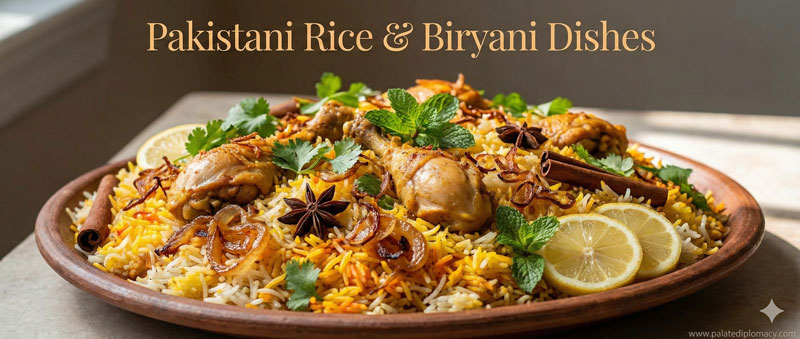
Beef biryani is built in layers. First, tender beef is marinated in yogurt, garlic, and warming spices. Then fragrant basmati rice is prepared, fluffy and distinct. When the two meet in a sealed pot, the steam carries scent upward and outward. This is more than cooking; it is an art of balance. Roots and modern tastes converge as cumin, coriander, cloves, and cardamom mingle with saffron or yellow coloring for a sunlit finish. The result is a dish that looks like many textures and flavors in one breath. The method teaches care: timing, heat control, and the patience to let each layer enrich the others. In Pakistani kitchens, this careful layering mirrors the way communities layer traditions to create harmony on the table.
A Table of Hospitality: Sharing and Rituals
Hospitality shines through beef biryani. The moment guests arrive, the aroma invites conversation and smiles. Serving biryani becomes a ritual—meat and rice joined, garnished with fried onions, fresh mint, and coriander. A cool yogurt-based raita, crisp salad, and tangy achar often accompany the plate, adding brightness and balance. Each element complements the main course and signals welcome. The act of sharing biryani becomes a small ceremony of care: a host’s attention to detail, a guest’s appreciation, and a moment of shared nourishment. In this way, the dish helps define daily life as something to be enjoyed together, not alone.
Regional Voices: Styles Across Pakistan
Across Pakistan, biryani adapts to local tastes while preserving its essence. In Punjab, the method tends to emphasize rich meat flavors and a robust spice profile, paired with generous portions. In Sindh, a slightly different balance of tang and aroma can appear, reflecting regional preferences for spice and sour notes. In other provinces, cooks adjust the heat, the mint-to-coriander ratio, and the texture of the rice to suit family traditions. What remains constant is the core idea: biryani is a flexible canvas that speaks of place, season, and taste. This variety demonstrates how a single dish can carry multiple regional identities, all connected by a shared love of aromatic, satisfying food.
The Language of Spices and Aromas
Spices tell stories. The warmth of cumin, the brightness of coriander, the sweetness of cardamom, and the floral lift of saffron all encode memory and place. The fragrance of fried onions marks a moment of sweetness and depth. Fresh mint and coriander add green notes that feel like a breath of spring. Yogurt in the marinade softens the beef and adds tang that refreshes the palate. The overall aroma becomes a signature of hospitality, signaling that a meal is prepared with care and shared with others. In this language of spices, beef biryani functions as a sensory guide to Pakistani culinary culture: it teaches balance, timing, and generosity through scent and flavor.
The Slow Fire: Dum Pukht and Patience
Many cooks speak of the importance of the “dum” method—cooking with steam in a tightly sealed vessel. Dum pukht requires patience and attention. Heat is controlled or gradual, and the dish is allowed to finish cooking with its own steam. This technique embodies the cultural value of patience in the kitchen. It rewards not haste but harmony between meat and rice, aroma and texture. Dum cooking becomes a metaphor for the way many households approach life: steady effort yields a composite result that is greater than each part alone. In this light, beef biryani is more than a meal; it is a lesson in slow, careful creation.
Everyday Life and Festive Moments
Beef biryani sits comfortably in both daily life and festive occasions. On busy weekdays, a family may prepare it as a shared meal that marks a moment of rest and togetherness. On weekends or during celebrations, the dish becomes a centerpiece, inviting more voices to the table and inviting guests to linger a little longer. The ability of biryani to adapt to different settings—simple meals, family gatherings, or special events—reflects the flexible and hospitable spirit that characterizes much of Pakistani food culture. The dish thus serves as a reliable bridge between ordinary days and memorable moments.
Pairings, Serving Traditions, and the Full Experience
Serving beef biryani is a complete experience. Accompaniments like yogurt-based raita, a crisp salad, and tangy chutneys balance the richness of the meat and the rice. Fresh herbs add color and lift, while bread such as naan or paratha provides bite and texture. The practice of presenting biryani in a large serving dish invites guests to serve themselves, reinforcing a sense of communal eating. This approachable ritual reinforces social bonds and underlines the value placed on sharing food in Pakistani culture. The experience is not just about taste; it is about the talk, the laughter, and the sense of belonging that grows around the table.
A Living Reflection of Culture
Beef biryani reflects Pakistani food culture in its openness to variation, its respect for craft, and its celebration of hospitality. It shows how a dish can anchor memory while evolving with time and place. The careful balance of meat and rice mirrors the balance people seek in daily life: warmth and welcome, strength and tenderness, tradition and adaptation. By inviting conversation and nourishing the senses, beef biryani becomes a symbol of care, family, and community. It remains a beloved anchor for gatherings and a steady reminder of the beauty found in shared meals.
Conclusion: A Rich, Inviting Narrative
In sum, beef biryani is more than a flavorful dish. It is a story told through aroma, texture, and technique. It celebrates the skill and patience of cooks, the generosity of hosts, and the joy of being together. It honors regional flavors while uniting them under a common thread of hospitality. For anyone discovering Pakistani food culture, beef biryani offers a vivid introduction to how taste can reflect care, place, and community. Enjoy the layers, savor the spices, and relish the sense of belonging that comes with every serving.