
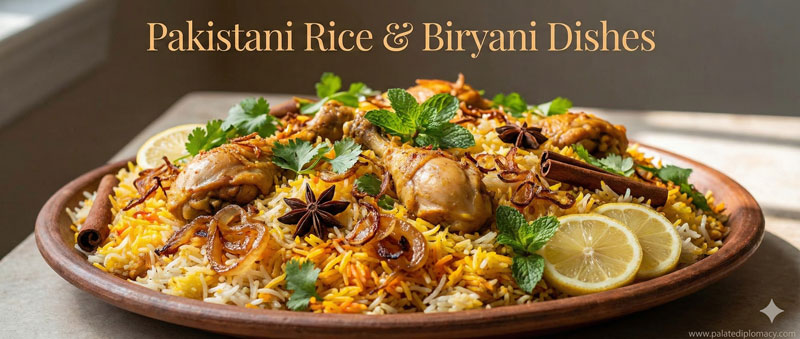
What Makes Beef Biryani So Special in Pakistan
Beef biryani in Pakistan is a celebration in a pot. It blends aroma, texture, and color to tell a story of care and community. The dish invites conversation, shared plates, and slow enjoyment. People gather around the table, pass spoons, and smile at the way saffron threads glint in the rice. This dish stands at the center of many meals, yet it remains approachable for everyday family dining as well as festive occasions.
Understanding Beef Biryani in Pakistan
Beef biryani is built on two main ideas: fragrant rice and tender beef with a warm spice profile. Basmati rice forms the light, fluffy bed that carries every other element. Beef provides heartiness and richness, often marinated to soak up flavor. The spice mix balances heat, fragrance, and depth. A touch of yogurt adds tang and moisture, while fried onions contribute sweetness and crunch. Saffron or a similar aromatic component colors the rice and elevates the aroma. The result is a dish that feels both comforting and celebratory, suitable for gatherings of family and friends.
The Craft: Ingredients and Techniques
The beauty of beef biryani lies in careful layering and patient cooking. Start with a well-seasoned beef pot or a sturdy pan. Sear the beef to lock in juices, then braise with onions, garlic, and ginger. Add yogurt, tomatoes (when used), and a balanced blend of garam masala, cumin, coriander, cardamom, cloves, cinnamon, bay leaves, and black pepper. The spice mix tells a story of many markets and kitchens. Separately, cook parboiled basmati rice with a hint of salt and whole spices. The rice is delicate, not mushy, so it can hold its shape when layered.
Layering is essential. A layer of beef with its sauce, followed by a layer of rice, is repeated. A final drizzle of saffron-infused milk and a few fried onions on top tie the flavors together. The lid stays tight during the dum cooking method, letting steam finish the dish slowly. This method preserves moisture, perfumes the kitchen, and creates tender beef with aromatic rice. The result is a balanced dish where each spoonful offers a chorus of textures and fragrances.
Cultural Significance: Shared Meals and Hospitality
Beef biryani often arrives at the table as a signal of hospitality. Hosts prepare it to welcome guests, celebrate birthdays, or mark special days. The act of serving is as meaningful as the taste. Large platters are shared, and everyone gets a generous portion. Spoons, forks, and the hands of family members join in the serving process, reinforcing a sense of togetherness. The dish invites conversation about the day, the harvest, and the little successes of daily life. In this way, biryani becomes more than food; it becomes a remembered moment of warmth and welcome.
Regional Variations Across Pakistan
Pakistan’s regions offer delightful twists to beef biryani. In Punjab, the aroma-heavy spice blend often leans into a luxurious, buttery finish, with crisp fried onions adding distinct sweetness. Sindh might emphasize a brighter tomato presence or a slightly tangier yogurt note, lending a Fresh lift to the dish. In Khyber Pakhtunkhwa and parts of Balochistan, you may notice regional herb use or a touch of heartier chili for a deeper heat. Across cities, some cooks layer potatoes with the rice or add unique garnishes that reflect local tastes. Yet the shared love for a well-cooked, fragrant bed of rice remains constant. The result is a family of biryani styles that speak to local markets, home kitchens, and road-side eateries, all tied together by the dum technique and a reverence for good ingredients.
Serving Traditions and Pairings
A well-made beef biryani is often served with complementary accompaniments. Raita, a cooling yogurt sauce with cucumber and mint, balances the heat and richness. Fresh salad or kachumber provides crisp contrast and color. Pickles add a bright, tangy kick that brightens the plate. Boiled eggs may be added as a decorative and flavorful touch in some homes. These pairings enhance the dining experience by offering fresh, creamy, and tangy notes that harmonize with the spices in the biryani. Utensils and bowls are often chosen to keep the family feel intact, reinforcing the sense that this dish belongs to everyone gathered around the table.
Cooking at Home: Tips for a Feast
If you want to recreate the magic at Home, focus on balance and patience. Marinate the beef with yogurt, ginger, garlic, and a touch of lemon for several hours to tenderize and flavor. Use a fragrant mix of whole spices and ground spices in measured amounts to avoid overwhelming the palate. Parboil the rice and then fold it gently with the meat layer. Keep the lid tight during the dum stage to trap steam and aromas. Finish with saffron threads or saffron milk to color the rice naturally and lift the fragrance. Finally, rest the dish for a few minutes after cooking; this helps the flavors settle and makes serving easier. The key is to respect each component—the meat, the rice, and the spice blend—so they can sing together on the plate.
The Inescapable Warmth of Beef Biryani
Beef biryani is more than a recipe; it is a state of mind that honors careful prep, patience, and sharing. It frames mealtime as a moment to connect with family, friends, and neighbors. The dish travels from kitchen to table with stories baked into its layers: stories of markets, spice houses, and home cooks who have honed their craft over generations. In Pakistan, this biryani remains a living tradition that welcomes everyone to the table and invites them to savor the beauty of well-chosen ingredients, precise technique, and the joy of a meal prepared with care.