
Introduction
Beef biryani in Pakistan is more than a dish. It is a living part of daily life, a celebration dish, and a symbol of warmth in the home. The beauty lies in its balance: tender beef, fluffy rice, and a chorus of spices that sing together. This meal invites everyone to gather, share stories, and savor the moment. In Pakistan, biryani represents hospitality, skill, and a deep respect for flavors that build community through food.
The Cultural Value of Beeft Biryani in Pakistan
Beef biryani is woven into family gatherings, festive meals, and everyday hospitality. Hosts prepare it to welcome guests, mark milestones, and show care. The preparation itself becomes a ritual: marinating, layering, and steaming, all done with patience and pride. The aroma travels through homes and streets, signaling a moment of togetherness. Sharing biryani is a way to honor guests and celebrate the generosity of cooks. The dish also travels beyond the kitchen to become a memory for weddings, visits, and seasonal feasts. In every bite, there is a sense of place, time, and shared tradition.
Core Flavors and Techniques
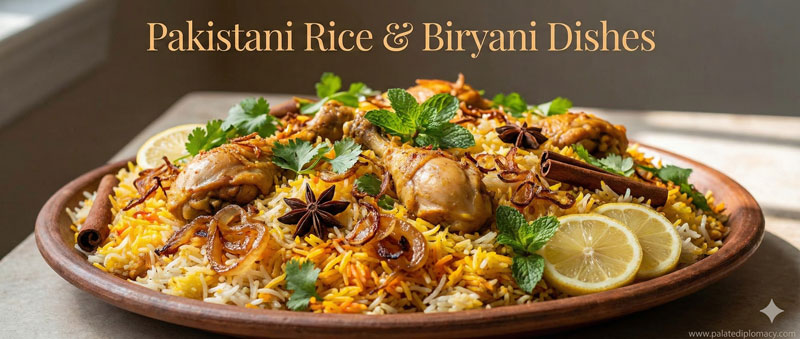
Beef biryani shines through technique as much as taste. The core method is gentle dum cooking: meat and partially cooked rice are layered in a pot and steamed until they merge in flavor. A well-balanced blend of spices carries the beef without overpowering it. Common elements include yogurt for tenderizing, garlic and ginger for warmth, and a garam masala blend for depth. Cumin, coriander, cardamom, cloves, cinnamon, and bay leaves Create a fragrant base. Mint, cilantro, and fried onions add brightness and texture. Saffron or a pinch of color from spices gives the final hue and a subtle perfume. The result is a dish with layered tenderness and a lively aroma that lingers after the last bite.
The Role of Rice, Meat, and Spices
Rice acts as a neutral canvas that catches the essence of the beef and spices. Long-grain basmati provides a delicate bite and a pearly separation of grains. The beef absorbs neighboring flavors during the slow cook, becoming tender and deeply seasoned. Spices are the heart of the dish. They bring warmth, complexity, and a sense of local character. The balance matters: heat should elevate, not overpower. Aromatics, such as fried onions and fresh herbs, brighten the dish and create contrast with the savoriness of beef. A touch of acidity from yogurt or tomatoes can brighten the finish and keep the flavors lively.
Regional Variations Across Pakistan
Pakistan hosts a spectrum of beef biryani styles, each with its own character and charm.
- In Lahore, biryani often features rich masala and a robust, comforting heat. The layering technique remains central, and the finish tends to be fragrant and slightly buttery from ghee.
- Karachi brings a coastal brightness to its version, with a balanced tang from tomatoes and a fresh, zesty finish. The aroma is bold, with herbs and saffron weaving through the layers.
- Sindh offers a brighter, tangier profile in many renditions. Potatoes may appear in some versions, and the tomato-forward base adds a distinctive texture and color.
- Multan and other Punjab cities contribute their own regional notes, blending heat, sweetness from fried onions, and a slow, even simmer that yields tender meat and fragrant rice.
These variations share core ideas—careful marination, careful layering, and the key dum technique—yet they express the mood of their home regions. This diversity showcases how one dish can adapt to different tastes while preserving its essential identity.
The Aromatic Symphony: Saffron, Ghee, and Herbs
The fragrance of beef biryani is its calling card. Saffron threads steep in a little warm milk, releasing a golden glow and a delicate floral note. Ghee adds a rich, nutty aroma that mingles with the beef and spices. Fried onions, or birista, bring sweet caramel notes and a pleasing crunch. Fresh mint and cilantro offer cooling contrast and brightness. The overall scent is a layered invitation: savory, slightly sweet, and endlessly inviting. The aroma alone often signals a return to the kitchen, a reminder that cooking is a social art as much as a culinary one.
The Social Moment: Serving and Sharing
Beef biryani shines in the moment of sharing. It is usually served on a large platter or in big bowls that invite a communal feel. Servers and cooks help guests gather, then portion the dish with care. Accompaniments like cool yogurt raita, crisp salad, and tangy pickles balance the richness. The act of serving itself reinforces hospitality and belonging. In many homes, the first taste is a shared ritual, a moment when everyone pauses to appreciate the craft and culture that shaped the meal.
A Few Ways to Experience It Fully
- Look, listen, and smell: notice the steam rising, the mingling aromas, and the gleam of rice grains. The senses guide you to the dish’s depth.
- Respect the layering: savor the beefy layers first, then the rice, so you experience the texture shift and spice balance.
- Enjoy with traditional sides: cucumber raita or mint yogurt, a simple salad, and a peppery pickle enhance the experience without overpowering the main flavors.
- Take small, mindful bites: allow the spices to reveal themselves gradually. The best biryani reveals new notes with each mouthful.
- Share the moment: invite someone to taste with you, and discuss which aroma or texture stands out. Shared meals deepen appreciation.
Practical Tips for a Home Cook
- Marinate beef with yogurt and a mild spice blend to keep the meat tender.
- Parboil the rice so it can finish evenly when layered with meat.
- Use a heavy pot or a tight-fitting lid to trap steam. A gentle simmer preserves texture.
- Layer with care, finishing with a drizzle of saffron milk and a handful of fried onions for aroma and color.
- Rest the dish for a few minutes after cooking so flavors meld.
These tips honor the tradition while offering practical guidance to recreate the elegance of authentic Pakistani beef biryani at home.
The Beauty of Tradition in Everyday Food
Beef biryani is not only about taste; it is a practice that honors time, family, and craftsmanship. Each step—marinating, layering, steaming—reflects patience and care. The dish demonstrates how simple ingredients can become something deeply meaningful when prepared with attention. In Pakistan, biryani remains a bridge between kitchens, markets, and gatherings. It invites cooks to express pride in their heritage and guests to appreciate the artistry of spice, texture, and aroma.
Conclusion
Beef biryani in Pakistan stands out for its cultural value and culinary significance. It captures hospitality, craftsmanship, and regional character in a single, fragrant dish. The joy comes from the balance of tender meat, fluffy rice, and a chorus of aromatics that invites conversation and connection. Whether enjoyed at a family meal, a festival table, or a quiet Sunday feast, beef biryani offers a heartfelt experience. It is a celebration of flavor, place, and togetherness—an enduring emblem of Pakistani Food Culture.