
What Makes Beef Biryani So Special in Pakistan
Beef biryani in Pakistan is more than a dish. It is a celebration of aroma, color, and care. The method, the ingredients, and the shared moments around the table all come together to create something memorable. This dish speaks to hospitality, family, and everyday joy. It invites you to slow down and savor each layer.
The Core of the Dish: Flavor, Texture, and Technique
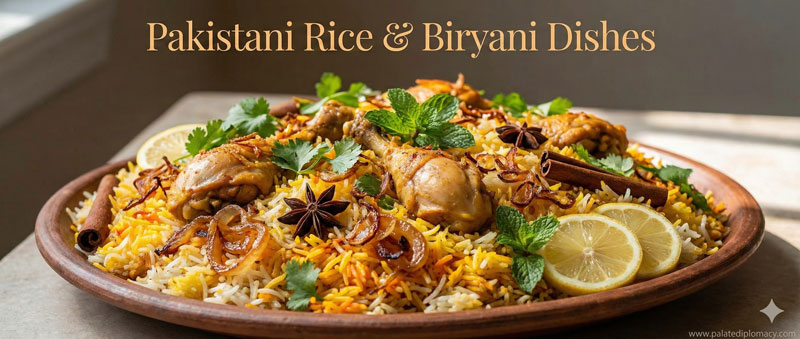
Beef biryani begins with a thoughtful balance of flavors. Tender beef is marinated in yogurt and a chorus of spices. Cumin, coriander, cardamom, cloves, and cinnamon greet the palate. Ginger, garlic, and green chilies add warmth and bite. The rice is parboiled to keep grains separate. Then the two worlds—beef and rice—meet in a careful layering. Saffron or turmeric adds a sunny hue, while fried onions bring sweetness and crunch. A touch of fresh herbs finishes the top.
The technique matters as much as the ingredients. The pot is sealed to trap steam, a method often called dum cooking. That sealed environment lets flavors mingle gently. The steam carries perfume through the kitchen. The result is beef that remains firm yet yielding, and rice that stays fluffy rather than clumped. Each bite carries a chorus of spice, meat, and aroma. The balance feels both comforting and bright.
Some versions include potatoes or a bright squeeze of lemon. These touches vary by family and region, yet they share a common aim: harmony between meat and grain. The dish rewards patience. When cooked with care, it emerges as something more than the sum of its parts.
Regional Voices: How Beef Biryani Varies Across Pakistan
Across Pakistan, beef biryani wears regional accents without losing its heart. In Punjab, the style tends to be robust, with deeper meat flavors and a confident spice profile. The rice absorbs these notes, yielding a warm, satisfying bite. In Sindh, you may find a lighter touch with brighter tang from certain spice blends and a touch of yogurt brightness. In the capital region and northern cities, cooks often emphasize crisp fried onions and a delicate saffron aroma that lingers.
Karachi households and eateries showcase generous portions and a lively heat, balanced by yogurt-based sauces on the side. Lahore’s version often marries richness with a subtle acidity from ripe tomatoes and asafoetida in small amounts, giving a gentle lift to the overall perfume. Peshawar and the northwest celebrate rustic spices that feel earthy and comforting. Each city adds its own memory to the dish, making every plate a small travelogue without ever leaving the table.
Regional variation honors local markets, family recipes, and the rhythm of daily life. Yet the core remains constant: rice, beef, and a careful layering that creates depth in every spoonful. This shared foundation helps beef biryani travel from kitchen to street stall and back, changing with each cook while staying recognizably biryani.
The Social Heart: Hospitality, Sharing, and Time-Honored Moments
Beef biryani is inseparable from hospitality. It arrives at gatherings with meaning beyond nourishment. Families prepare it for special days, weekends, and when guests arrive. The aroma signals welcome long before the first plate lands on the table. A meal like this invites conversation, laughter, and a sense of belonging.
In many homes, biryani creates a rhythm. The cooking can begin hours before serving, creating anticipation. Children watch, adults chat, and the kitchen fills with fragrance. When the pot opens, steam lifts, and the room fills with a warm invitation to share. Friends and relatives gather around, passing the serving spoon, and praising the layered flavors. The act of serving becomes a ritual of care and generosity.
Food, in this spirit, acts as a thread that ties generations together. Each family adds its own memories—slight spice tweaks, a preferred level of crisp onions, or a personal sauce on the side. The dish travels softly through time, building a sense of continuity and pride in local cooking traditions.
The Scent, Texture, and Pleasure of Eating
The joy of beef biryani comes from contrasts that delight the senses. Each grain of rice remains separate, a sign of careful cooking. The beef parts with a gentle bite, staying moist and full of spice. Fat grains of ghee often glaze the surface, making the aroma even more inviting. The fried onions on top add sweetness and a crisp bite.
Color matters too. The saffron-kissed rice glows with a golden hue, while green herbs add a Fresh note. When the dish is plated, the steam carries a perfume that hints at warmth and welcome. A squeeze of lemon or a dollop of yogurt cools and brightens the plate, balancing heat and richness.
Pairings enhance the experience. A bright raita with cucumber cools the palate between bites. A simple salad of tomatoes, onions, and herbs adds crunch and brightness. Some families prefer a fresh mint chutney or a light cucumber salad to accompany the dish. These companions complete the feast without overshadowing the core flavors.
From Kitchen to Table: Everyday Food and Occasions Alike
Beef biryani sits comfortably in everyday meals and in festive occasions. It is a dish that can rise to a grand table or suit a cozy family dinner. Its versatility helps it travel across a busy week and into weekend celebrations. At the heart, though, remains the practice of layering, steaming, and sharing.
Home cooks often adapt the recipe to their pantry and tastes. A little more chili for heat lovers, or a touch less oil for lighter menus—these shifts keep the dish accessible while preserving its essence. The result is a timeless favorite that remains relevant generation after generation.
Why This Dish Endures in Pakistani Kitchens
Beef biryani endures because it embodies patience, skill, and generous hospitality. It invites cooks to slow down, attend to heat, and listen to the sizzle of spices. The dish rewards those who take time to layer flavors thoughtfully. It also carries memory: the scent of a kitchen at dusk, the clink of spoons, and the smiles of family members gathered around the table.
Moreover, beef biryani connects people to regional roots while inviting new iterations. It welcomes cooks to experiment with spice balance, aroma, and texture while honoring the dish’s core method. This blend of tradition and personal touch helps the recipe stay lively and beloved.
A Welcoming Invitation to Try
If you haven’t yet prepared beef biryani, start with a simple approach. Focus on marinating the beef, building a solid flavor base, and keeping the rice grains separate. Use a good sealed pot or a wide handi to encourage even steaming. Then share the result with family and friends. The dish shines when it becomes a shared moment, a small ceremony of taste and togetherness.
Beef biryani in Pakistan celebrates more than food. It honors hospitality, family, and the careful craft of cooking. It invites curiosity about flavors and gratitude for time spent together. In every bite, you meet the beauty of a dish that is at once simple and deeply meaningful.