
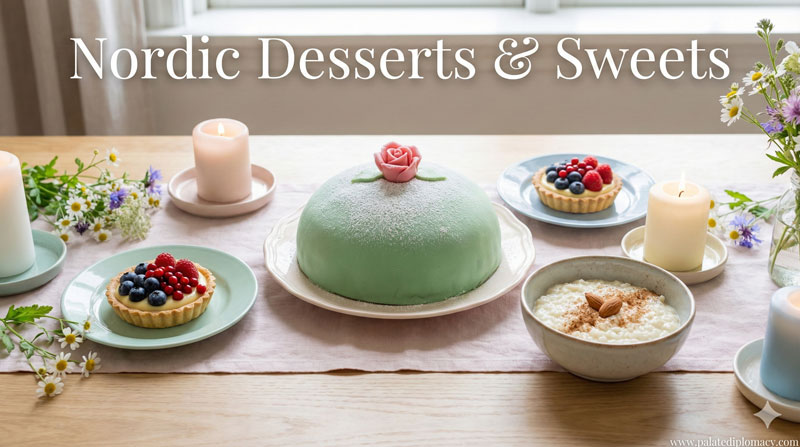
A Complete Guide to Enjoying Berry Tarts Like a Local
Berry tarts light up bakeries with bright color and fresh aroma. They carry a quiet charm that speaks to daily life and seasonal rhythms. This guide explores their cultural value and culinary significance. It invites you to savor the moment, just as locals do. You will find how the pastry, the fruit, and the ritual of eating come together to tell a gentle story of place. The goal is to appreciate the dish without fuss, in a way that respects tradition and craft.
First, berry tarts are more than dessert. They mark seasons, markets, and family gatherings. They are shared across tea hours, cafe counters, and kitchen windowsills. When a baker places a tart on a wooden tray, the room slows. People lean in to notice the glaze, the dusting of sugar, and the glistening fruit. The tart becomes a small ceremony—one bite at a time, with friends, neighbors, or a quiet moment alone. This local approach honors simplicity, balance, and the joy of well-made pastry.
Next, the beauty lies in balance. A tart blends texture, aroma, and color. The crust offers gentle crumb and a buttery kiss. The filling brings brightness and zing from berries and citrus or almond cream. The finish often carries a light glaze or a hint of zest. When combined, these elements create a harmony that feels native to the table. The result is a dessert you can trust, whether you are in a busy market or a calm cafe.
In addition, berry tarts reflect craft passed through generations. Bakers develop a rhythm: measure, mix, rest, roll, bake, cool, glaze. Each rest time matters. Temperature shapes texture. A well-made tart holds together from crust to berry, yet yields to the bite. This craft is a common thread in many kitchens, reminding us that good pastry is a shared language.
The Craft Behind Berry Tarts: Crust, Filling, and Finish
The crust is the backbone. A sturdy crust supports fruit and keeps the tart neat. Butter and flour team up to create a gentle bite. You might encounter a crust that is crisp and flaky or one that is tender and sandy. Some bakers prefer a shortcrust, while others reach for a pâte sablée. A lighter puff pastry can offer a contrasting texture. The choice shapes the tart’s character and the eating experience.
Filling follows the crust with personality. Berry combos include strawberry, blueberry, raspberry, and blackberry, often mixed to balance sweetness and tartness. Some fillings use a thin almond cream or a citrus zest infusion. A touch of vanilla or a whisper of lemon can brighten the fruit’s natural flavors. The goal is a fruit-forward profile that sings in harmony with the crust.
The finish ties the experience together. A glaze adds shine and gloss, while a dusting of powdered sugar provides a delicate sweetness. Fresh berry crowns are common, highlighting the fruit’s color and aroma. The finish is more than decoration; it signals care and attention to detail. Together, crust, filling, and finish tell a story of balance and craft.
Moments and Customs: When People Enjoy Berry Tarts
Berry tarts appear in everyday rituals and special moments alike. In markets, a tart catches the eye as shoppers stroll with baskets and lists. In cafes, a plate arrives beside a hot drink, inviting a quiet pause. At home, a tart often accompanies tea time or a weekend treat after a meal. These moments emphasize companionship and presence.
Sharing is central. A sliced tart becomes a small gift that travels from plate to plate. Conversations slow as bite marks reveal fruit fragrance and buttery warmth. Children learn to point out their favorite berry, while adults notice the glaze’s gleam. The ritual encourages mindful tasting and appreciation for craft. In this way, berry tarts contribute to a culture of thoughtful eating and social connection.
Seasonality guides what is offered and enjoyed. When berries are in peak season, flavors are brightest and prices friendlier. The seasonal rhythm invites bakers to celebrate harvests with fresh fruit and new combinations. This adaptability strengthens the sense of belonging in local Food Culture.
Regional Flavors and Variations
Across regions, berry tarts take on distinct personalities. Some places favor a bright, citrusy note to wake the fruit’s brightness. Others lean toward a richer almond or vanilla profile to complement the berry depth. The crust may be crumbly in one town and velvety in another, reflecting local technique and preferences. Seasonal fruit availability also shapes variations, with certain berries appearing more prominently at different times of the year.
Despite differences, the core idea remains the same: a tart that honors local fruit, simple technique, and careful balance. Each variation invites tasting and comparison, yet all share a sense of place. The tart becomes a small cultural ambassador, carrying regional flair within a familiar pastry frame.
Sourcing and Support: Local Bakers and Seasonal Produce
Choosing local bakers supports the craft and the community. A nearby bakery often has fresh tart shells, prepared fillings, and seasonal fruit in close reach. Markets showcase berries at their peak, offering color and aroma that tell a season’s story. When you buy locally, you join a rhythm of growers, pastry chefs, and shoppers who value quality and freshness. This collaboration strengthens food culture and keeps traditions alive in everyday settings.
If you bake at home, select berries that look plump and fragrant. Freshness matters more than perfect symmetry. Touch and aroma guide you toward the best fruit. Pair and test fillings with small batches to learn What Makes your local berries sing. By shopping close to home, you help sustain the people who craft these treats year after year.
Tasting Tips: How to Savor Like a Local
To savor berry tarts, start with a gentle sniff of berry aroma and pastry perfume. Take a small bite to experience crust texture and fruit brightness together. Notice how the crust gives way to juicy fruit and a hint of glaze. Let the flavors unfold on the palate, then cleanse with a sip of tea or water.
Pairings are simple. A light black or green tea complements the tart without overpowering it. A mild coffee can provide contrast, while a small dessert wine can elevate the fruit’s sweetness. The goal is harmony, not heaviness. Enjoy the moment, and return to the tart for a second, mindful bite.
A Visual and Social Light: Plating and Memory
Visually, berry tarts charm with color and symmetry. A gleaming glaze, vivid berries, and a neat crust create an inviting plate. The presentation invites conversation about flavor, texture, and memory. A berry tart can become a shared story—of a bakery, a season, or a family gathering. The beauty lies in how it sparks appreciation and a sense of place.
In closing, berry tarts offer more than taste. They connect people to seasons, to makers, and to a local food culture that celebrates craft, generosity, and quiet moments of delight. By exploring their texture, flavor, and ritual, you can enjoy the tart like a local and feel the warmth of the community in each bite.