
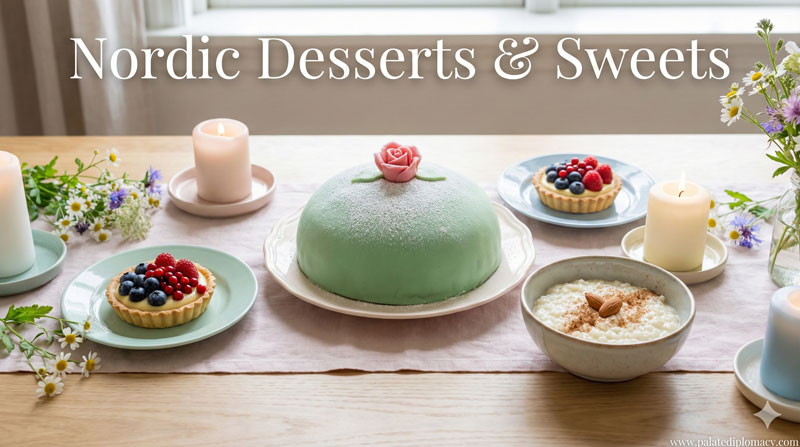
Introduction: A Bright Thread in Nordic Cuisine
How Berry Tarts Became Popular in Nordic Cuisine invites readers to explore a dessert that embodies light, seasonal flavors and careful technique. The dish speaks to a culture that cherishes fresh berries, milky dairy, and precise pastry. It is a celebration of simple ingredients that are treated with hospitality and artistry. The tart form makes the fruit sing, while the crust provides a quiet, dependable frame. In Nordic kitchens, this treat has grown from a seasonal favorite into a year‑round symbol of culinary craft and shared pleasure.
The Berry Bounty and Its Nordic Voice
Nordic soils produce a remarkable range of berries. Bilberries, lingonberries, cloudberries, and small sweet strawberries populate forests, bogs, and gardens. Chefs welcome these hues with restraint and respect. They prefer berries at peak ripeness, when their tang and sweetness balance the pastry. Seasonal festivals and farmers’ markets showcase berry tart variations that reflect the local harvest. This harmony between berry and place has become a defining language of Nordic cooking. The fruit provides brightness, while the region’s dairy creates a soft, creamy counterpoint. Together, they form a locale‑driven flavor profile that cooks continually return to with curiosity and care.
Crust, Cream, and Berry: The Harmony of Texture and Taste
In Nordic berry tarts, the crust plays a quiet, dependable role. A tender, lightly browned pastry supports the tart filling without stealing attention. The crust often relies on generous butter, a touch of sugar, and the shortest possible handling to keep it delicate. In contrast, the filling adds creaminess and poise. A smooth vanilla custard or a whip of light cream cheese or quark lends body while maintaining a gentle texture. The berries are placed with care, their colors arranged to please the eye as much as the palate. The result is a balance: a crisp edge, a soft center, and fruit that sparkles with natural brightness. This balance makes the tart versatile for afternoon tea, a summer coffee break, or a refined dessert course.
A Seasonal Ritual: Markets, Cafés, and Fika
Berry tarts have become a symbol of seasonal celebration in Nordic culture. In markets, bakers display tarts alongside rye breads and custards, creating a scene that invites slow, appreciative bites. Cafés offer them beside steaming coffee, inviting conversations about harvests and flavors. The act of sharing a tart becomes part of daily life, a small ritual that deepens community ties. The Nordic habit of fika—a pause for coffee and light snacks—lends the berry tart a place at table during social moments. In this context, the tart is more than a dessert; it is a bridge between harvest, hospitality, and quiet joy.
Techniques and Preservation: Craft without Complication
The beauty of berry tarts lies in technique that respects the ingredients. Pastry chefs use simple, honest methods: cold butter for a tender crust, careful mixing to avoid toughness, and a gentle bake that seals flavor without overcooking. The fillings honor dairy richness, often relying on light textures that won’t overwhelm the fruit. Preservation methods deserve attention as well. Berries can be kept fresh for as long as possible, or transformed into jams and compotes to extend flavor. This practice aligns with Nordic sensibilities of resourcefulness and seasonal rhythm. When the berries make their way into tart fillings, they carry a memory of the harvest and a promise of savor.
Modern Nordic Patisserie: Tradition Meets Innovation
Today, chefs expand the berry tart with innovative glazes, subtle spices, and sleek presentation. Some chefs finish a tart with a glaze that enhances gloss and bloom, while others explore delicate creaminess with dairy from nearby farms. Yet even with modern touches, the core idea remains: a fruit-forward tart that honors the land and the craft. The berry tart has become a canvas for technique and a stage for taste education. In many menus, it acts as a bridge between rustic tradition and contemporary patisserie, inviting diners to experience the elegance of Nordic restraint and the pleasure of seasonal fruit.
The Cultural Value: A Shared Expression of Place
The cultural value of berry tarts in Nordic cuisine lies in their simplicity, locality, and generosity. They are accessible yet refined, suitable for family gatherings and formal meals alike. The tart encourages conversations about harvest seasons, farming practices, and dairy quality. It teaches that beauty can arise from everyday ingredients when treated with care. The berry tart becomes a symbol of hospitality, a dish that invites guests to slow down, savor fruit’s brightness, and appreciate the quiet artistry of pastry. In this way, the tart participates in the broader storytelling of Nordic Food Culture—one that honors land, climate, craftsmanship, and communal meals.
Crafting a Berry Tart at Home: A Friendly Guide
If you wish to welcome the berry tart into your kitchen, start with local berries at their best. Choose a firm berry or mix soft and firm fruits for texture variation. Prepare a light, buttery crust and blind bake it to color. For the filling, a smooth custard or a soft cheese filling provides gentle richness. Layer the berries with intention, then finish with a touch of glaze to enhance shine. Serve with a small dollop of whipped cream or a light cream cheese veil to echo Nordic softness. The joy comes from calm preparation, mindful timing, and sharing the result with friends and family.
Conclusion: A Quiet Celebration of Flavor and Place
How Berry Tarts Became Popular in Nordic Cuisine highlights more than taste; it celebrates a culture that values clarity, seasonality, and subtle beauty. The tart stands as a flexible ambassador for Nordic ingredients and technique. It invites cooks and diners alike to pause, to notice the fruit’s color and aroma, and to honor the craft that makes every bite feel thoughtful and bright. In that spirit, berry tarts remain a beloved, evolving part of Nordic dining—a gracious reminder of how good ingredients, treated well, can brighten our table and our conversations.