
Discover the Bold Flavors of Amala
Amala is a dish that invites curiosity and rewards patience. Its deep, earthy aroma and firm yet silky texture make it a standout in Yoruba and Nigerian Food Culture. When you approach a table with amala, you meet more than a meal; you meet a ritual of preparation, sharing, and appreciation. Its bold flavors come from simple ingredients and careful technique, and they glow brightest when paired with a trio of traditional soups. This is a story of food as memory, craft, and community.
What Is Amala?
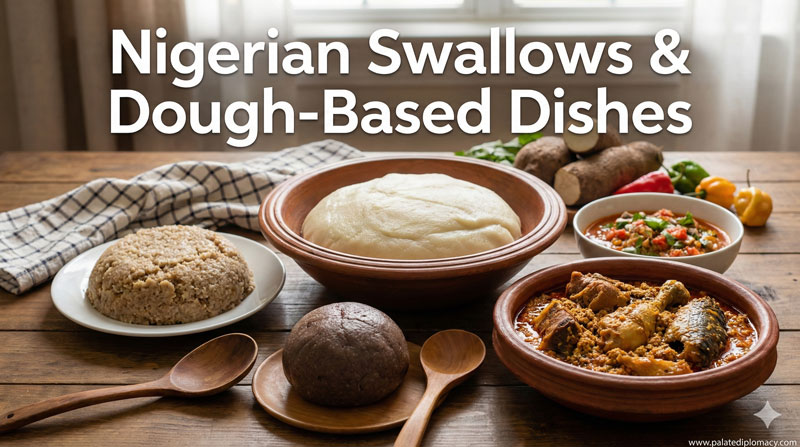
Amala is a traditional staple made from yam flour, known as elubo. It is cooked in hot water and stirred with a wooden implement until it becomes a smooth, elastic dough. The color is a rich, dark brown, sometimes almost caramel, and the surface shines with a glossy finish. The texture is distinctive: firm enough to pick up with the fingers, yet soft enough to yield to the teeth. In many homes, amala is prepared with attention to rhythm and timing, because the moment of perfect consistency signals care and hospitality.
Historically, amala has been shaped by the land and the pantry. It uses humble ingredients, yet the technique elevates them. In some places, cooks offer variations using cassava-based flours, but the signature allure remains the same: a bold, earthy backbone that carries the flavors of accompanying soups and oils. Amala’s simplicity hides a depth of taste that grows with each bite, inviting you to slow down and savor.
Cultural Significance
Amala sits at the heart of communal dining and family gatherings. It appears on plates during celebrations, weekday meals, and special visits, always signaling warmth and welcome. The dish represents care—from the moment the flour is chosen to the precise stirring that brings the dough together. Food traditions like amala connect generations, weaving together memory and technique. In many homes, the act of sharing amala becomes a bridge between cooks and guests, a way to say “you are welcome here” without words.
Another meaningful aspect is the pairing tradition. Amala is most often enjoyed with a trio of soups—ewedu (jute leaf soup), gbegiri (bean soup), and sometimes ogbono (wild mango seed soup). These companions balance the earthy depth of amala with fresh greens, fragrant spices, and a silky finish. The combination demonstrates how a single staple can harmonize with diverse flavors to create A Complete, satisfying meal. Such tastings become a microcosm of Yoruba culinary etiquette: generosity, attentiveness, and the joy of sharing a meal with others.
Flavor, Texture, and Technique
The flavor profile of amala is grounded in its base ingredient. Yam flour carries a clean, nutty note with a subtle sweetness that surfaces as it cooks. The essential technique—stirring hot water into elubo until the dough thickens—transforms simple flour into something supple and cohesive. The result is an aroma that hints at roasted roots, with a velvety mouthfeel that holds its shape as you break a piece away.
Texture plays a starring role. Amala presents a satisfying contrast: a sturdy exterior and a tender interior. The dish remains supportive for the soups it accompanies, letting the flavors of ewedu, gbegiri, and ogbono flow freely onto the palate. The strength of amala also helps it mingle with oils and spices, creating a harmonious blend rather than a clash of tastes. When prepared well, each bite carries a confident bite, followed by a gentle, lingering richness.
To achieve the perfect consistency, cooks watch the heat, adjust the water, and time the stirring. A steady, rhythmic motion prevents lumps and yields a surface with a subtle sheen. The result is a dough that holds together as it is shaped into portions or folded into the curve of the hand. These careful steps reveal a philosophy: patience and precision deepen flavor.
Serving Traditions and Pairings
Amala shines when presented with a warm, aromatic partner set. In many homes and eateries, it arrives on a broad plate or wooden platter, ready to be shared. Diners tear off a portion, shape it with the fingers, and dip it into the accompanying soup. This tactile ritual deepens the eating experience and honors tradition.
Ewedu soup offers a silky, leafy contrast that lightens the meal. Gbẹgiri, a bean-based soup, brings a nutty, slightly sweet depth that rounds the dish beautifully. Ogbono adds a creamy, bold richness that can elevate the overall balance. The trio—amala with ewedu, gbegiri, and sometimes ogbono—provides a dynamic spectrum from earthy to green to creamy. Each bite becomes a journey through flavor and texture, highlighting the artistry of everyday cooking.
Beyond these classics, amala pairs with a range of other soups and sauces, from lighter leaf stews to peppery broths. In this way, amala remains versatile, inviting cooks to adapt to seasonal ingredients or regional preferences while preserving the essence of Yoruba culinary heritage. The practice of pairing is a celebration of taste, texture, and coordination at the table.
Amala in Modern Kitchens
Today, many cooks bring amala into contemporary kitchens with mindful reverence. Home cooks honor the traditional method while exploring practical shortcuts that keep the dish approachable. In restaurants, chefs experiment with presentation, offering amala in individual portions or platter-style service for sharing. Yet the core idea stays the same: amala anchors a meal with character and cultural memory.
Modern takes also emphasize accessibility. High-quality yam flour, clear water, and ample stirring can recreate the familiar texture at home. Some kitchens highlight the aroma by using a touch of palm oil or local seasonings, while others preserve the purity of the original method. Regardless of the setting, amala remains a bridge between generations, a recipe that travels through time by word of mouth, memory, and shared plates.
A River of Shared Experience
Amala is more than a recipe; it is a practice that invites participation. The act of cooking becomes a family ritual, a way to teach patience, rhythm, and care. The moment when the dough takes on its glossy sheen mirrors the moment when stories, laughter, and conversation fill the room. In this sense, amala carries cultural value beyond taste. It preserves a culinary language that speaks of place, tradition, and community.
As you encounter amala, you encounter a practice rooted in the land and carried forward with respect. The dish teaches us to savor simple ingredients, to honor technique, and to celebrate the joy of sharing a table. In every bite, the bold flavors remind us that food can be a joyful, unifying expression of culture.
A Simple Guide to Enjoying Amala
- Start with warm amala and a spoonful of soup on the side.
- Tear a piece of amala, dip into gbegiri or ewedu, then savor the complex flavors together.
- Alternate bites between the soups to explore balance and contrast.
- Share the moment with others at the table; the experience grows richer with company.
- Keep the preparation methods in mind, but allow room for small personal touches that reflect your kitchen.
Final Thoughts
Amala invites curiosity and offers nourishment with grace. Its bold flavor profile, firm yet tender texture, and harmonious pairings showcase a cuisine that values craft, generosity, and community. By appreciating amala, you honor a living culinary tradition that continues to inspire cooks and diners alike. Whether you are visiting a bustling market, enjoying a family meal, or experimenting in your own kitchen, amala invites you to slow down, listen to the simmer, and celebrate the beauty of food as culture.