
Introduction
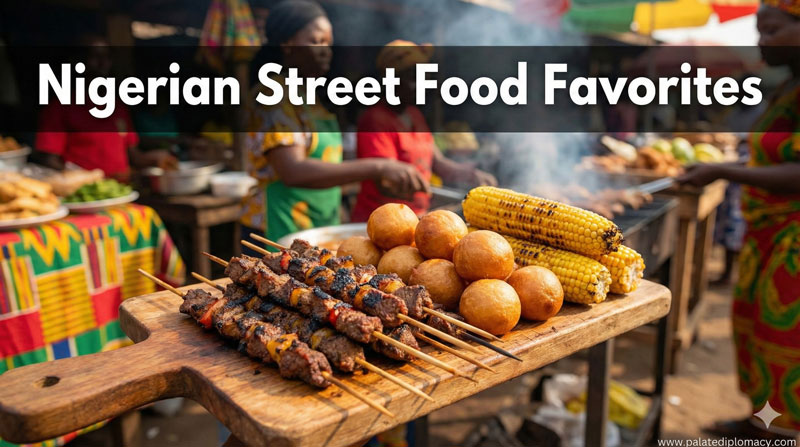
Discover the Bold Flavors of Boli invites you to savor a dish that celebrates simple ingredients, careful technique, and joyful sharing. Boli is roasted plantain paired with a bright, peppery sauce. In many West African kitchens and bustling markets, this pairing shines as a beloved street snack, a quick meal, and a warm invitation to gather around the flame. The dish embodies a quiet elegance: sweet plantains kissed by smoke, balanced by a lively sauce that wakes the palate.
Cultural Value
Boli carries a strong sense of hospitality and community. Friends and neighbors often meet over a smoky grill, exchanging stories as the plantains caramelize. The act of preparing Boli becomes a social ritual—each turn of the plantain on the ember marks time spent with others. In homes and at street stalls, Boli is a signal that people are welcome, that a moment is shared, and that good flavors can unite people across ages and backgrounds. This sense of togetherness gives the dish its enduring value in Food Culture.
Culinary Significance
The culinary appeal of Boli lies in contrast: the plantain’s natural sweetness, the smoke from the fire, and the bright heat of the pepper sauce. When the plantains roast, their edges crisp while the centers stay tender, creating a pleasing texture that invites a thoughtful bite. The pepper sauce adds brightness and warmth, often with onions, tomatoes, and a touch of oil to carry memories of spice without overwhelming sweetness. This balance makes Boli a versatile centerpiece, suitable for a casual snack or a more focused tasting experience.
Ingredients and Techniques
Key ingredients include ripe plantains and a pepper-based sauce. The plantains are peeled and roasted over charcoal or open flame until the skins blister and the flesh softens. The sauce can range from light and peppery to richly seasoned with onions and tomatoes. Some cooks enrich the sauce with a splash of palm oil or a hint of roasted peanut for depth. Optional garnishes, such as crushed roasted nuts or a squeeze of lime, add texture and brightness. The technique rewards patience: steady heat, careful turning, and timing that brings out the plantain’s natural sweetness while preserving a slight bite in the skin.
The Flame and Craft
A central part of Boli’s character is the flame. The charcoal grill adds a smoky perfume that no other cooking method can replicate. The cook controls heat in small steps, allowing the plantains to caramelize without burning. Turning the plantains evenly ensures uniform texture and color. This craft is often shared: a family member watching the fire, another slicing peppers, and others readying plates. The result feels like a small performance—the aroma, the sizzle, and the warm glow of the grill—all building anticipation for the first, satisfying bite.
Serving Traditions and Pairings
Boli is commonly served warm, sometimes with a side of pepper sauce spooned over the slices or offered on the side for dipping. The plantains pair beautifully with a simple spread of salt, a handful of roasted peanuts, or a small serving of fish or groundnut sauce. In many settings, Boli sits on a leaf or simple plate, inviting guests to assemble their own bites. The pairing highlights the dish’s flexibility: sweet, smoky, and spicy elements can be enjoyed in harmony or explored in contrasting bites.
Regional Variations and Modern Takes
Across West Africa, you’ll encounter regional twists. In some areas, cooks emphasize a citrusy brightness in the sauce; in others, they favor a thicker, oil-rich finish. Some households add a touch of local spice blends to the pepper sauce, while others keep it simple and pure. Modern takes celebrate convenience without losing essence: portable Boli kits, ready-to-roast plantains, and sauces designed for quick dipping, all while preserving the communal spirit that defines the dish.
Experience and Memory
Eating Boli is about the scene as much as the flavor. The crackle of the skin, the soft sweetness inside, and the lively heat of pepper sauce create a memorable bite. The experience often unfolds in small moments: a child’s first taste, a shared laugh, the aroma that lingers in the air long after the plate is cleared. Through these scenes, Boli contributes to a durable thread of culinary memory in families and communities, reminding us how food can mark occasions, welcome newcomers, and celebrate everyday life.
Conclusion
Boli stands as a testament to flavor, craft, and connection. Its bold yet balanced profile Makes It a cherished part of West African cuisine, inviting cooks and diners to slow down, taste deeply, and share generously. By embracing the cultural value and culinary significance of this simple dish, we honor a tradition that nourishes both body and spirit. Discovering the Bold Flavors of Boli invites you to savor not just a bite, but a tradition that invites warmth, conversation, and community into every flame-kissed slice.