
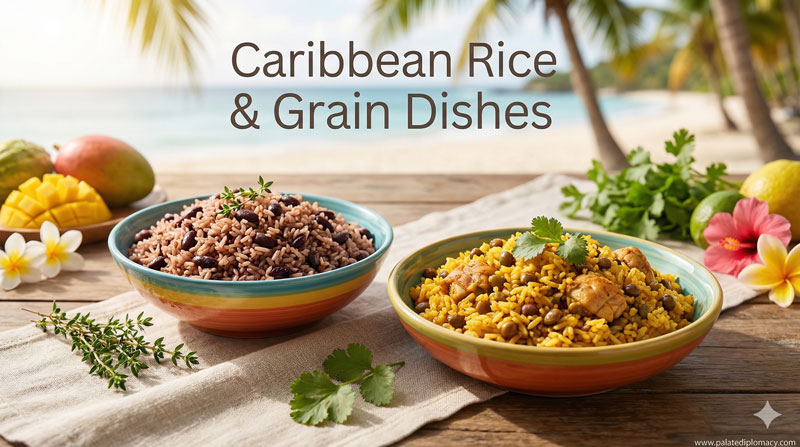
Discover the Bold Flavors of Rice and Peas
Rice and peas is more than a dish. It is a warm, inviting part of daily meals that many kitchens reach for with confidence. The aroma tells a story of careful preparation, patient simmering, and the joy of sharing. In every bite, there is a balance of softness and bite, sweet coconut notes, and a gentle warmth from herbs. The dish stands as a celebration of simple ingredients elevated through technique and care. It invites conversation, speeds up the family gathering, and leaves a lasting impression of comfort and nourishment.
Core Ingredients that Shape the Dish
At the heart of rice and peas are three elements: rice, legumes (the “peas” or beans), and a rich, flavorful liquid. White rice provides a clean canvas for the dish, while the peas—whether pigeon peas, kidney beans, or black-eyed peas—bring a creamy texture and gentle sweetness. Coconut milk often joins the pot, adding a silky mouthfeel and a tropical fragrance that brightens the dish. Aromatics such as onions, garlic, and scallions contribute depth, while thyme or other herbs lend a fresh, earthy lift. A touch of salt and a light pepper heat may be added to balance richness and carry the flavors.
This combination of ingredients reflects practical wisdom: affordable staples, readily available in many kitchens, transformed into a unified, satisfying plate. The result is a dish with a bright, inviting color, a comforting aroma, and a vibrant, well-rounded flavor profile that resonates across tables and seasons.
The Cooking Technique: One-Pot Harmony
The method behind rice and peas is clear and reliable. Rinse the rice to remove excess starch, then simmer it with the peas and coconut milk or a seasoned broth. Add the aromatics and herbs, and allow the mixture to cook gently. The goal is to reach fluffy, separate grains that have absorbed the savory liquid without becoming mushy. A short rest after cooking helps the grains settle and finish steaming, producing a tender texture with a subtle bite. The one-pot approach makes the dish practical and approachable, inviting cooks of all levels to create something delightful with confidence.
Clear steps, steady heat, and attentive timing yield the best results. This careful process showcases how technique can elevate humble ingredients into a meal that feels celebratory. In this way, the dish becomes a lesson in patience and craft, rewarding the cook with depth of flavor and a satisfying finish.
Cultural Value: Home, Family, and Tradition
Rice and peas holds a cherished place in everyday meals as well as in special occasions. It acts as a reliable staple that frames a meal, letting other dishes shine while providing comfort and consistency. Families often prepare it as a shared project, with each member adding a personal touch—whether a preferred herb, a preferred bean variety, or a final drizzle of a finishing oil. This collaborative aspect strengthens family rituals and creates warm memories around the dining table.
The dish also serves as a bridge between seasons. In harvest times, fresh herbs or garden-grown peas can enrich the pot, while in cooler months, a richer coconut-laced version offers bright comfort. Its flexibility makes It a mainstay in many kitchens, prized for its adaptability and its ability to accompany a wide range of main courses. In this way, rice and peas becomes a cultural touchstone—simple in form, generous in spirit, and enduring in its appeal.
Regional Variations and Personal Styles
Across kitchens that Enjoy This dish, small variations reflect personal taste and local ingredients. Some cooks favor coconut milk for a pronounced creaminess, while others use a light broth for a leaner profile. The choice of peas—pigeon peas, kidney beans, or black-eyed peas—shapes texture and flavor subtly. Herbs may vary from thyme to parsley or a hint of bay leaf. A dash of hot pepper adds brightness for those who Like a little heat. Each variation preserves the essence of the dish while letting personal style shine through. This variety demonstrates how a single recipe can travel across homes and become a canvas for creativity, conversation, and care.
Pairings and Everyday Occasions
Rice and peas shines with a wide range of accompaniments. It balances savory meats, fried plantains, grilled seafood, or roasted vegetables with ease. It also works beautifully as a standalone main when loaded with extra vegetables and herbs. On festive days, cooks may add colorful peppers or a squeeze of lime to lift the flavors. The dish’s versatility makes it suitable for relaxed weeknight dinners or more polished gatherings, always inviting and satisfying.
Tips for a Flawless Result
- Rinse the rice gently to remove surface starch, then cook with enough liquid to allow absorption.
- Choose peas or beans you enjoy for a creamy texture. Soaking dried beans can help, but ready-to-use canned options save time.
- Toast aromatics lightly at the start to release their fragrance before adding liquids.
- Keep the heat steady and avoid stirring too aggressively once the grains begin to cook, so the rice stays fluffy.
- Let the dish rest briefly after cooking to finish steaming and settle flavors.
A Food Story for the Table
Rice and peas invites us to slow down, savor, and share. It is a dish that improves with care and affection, and it rewards cooks with a comforting balance of texture and taste. Its cultural value lies in its ability to bring people together, to adapt to different kitchens, and to honor the art of turning everyday ingredients into something memorable. In every pot, there is a small celebration of taste, tradition, and togetherness.