
Discover the Bold Flavors of Jollof Rice
Jollof Rice is a vibrant dish that invites the senses to linger. It blends bright colors, warm aromas, and a depth of flavors that reflect a rich sheet of culinary practice across West Africa. The name itself signals a shared language of taste, one that celebrates simple ingredients elevated through care, patience, and skill. This dish stands at the heart of many kitchens and tables, where meals become moments of connection and delight.
A Cultural Value at the Table
Jollof rice holds a special place in family life and communal meals. It gathers people around one pot, encouraging conversation as flavors deepen. Each household may bring its own touch, but the core idea remains the same: a single dish that can feed many with generosity. The dish is flexible enough to suit different tastes and occasions, yet it carries a consistent promise of warmth and hospitality. In every serving, there is a memory of shared kitchens, friendly exchanges, and the simple joy of savoring something crafted with care.
A Rich Culinary Significance
The culinary significance of jollof rice lies in its ability to balance technique with intuition. The base is a tomato-forward sauce enriched with onions, peppers, and spices. The result is a sauce that coats the grains with a glossy, inviting sheen. The rice itself becomes a canvas on which cooks layer flavors, adjust heat, and bring brightness with fresh herbs or a hint of smoke. This harmony between sauce and grain speaks to a long-standing tradition of one-pot cooking that values efficiency, aroma, and comfort in every bite.
Aromas, Colors, and Techniques
The dish showcases a bright palette: red-tinted rice with a warm, earthy undertone. Those colors come from blended tomatoes or tomato paste, roasted or sautéed peppers, and a careful touch of oil. Aromas rise from the pot—onions and garlic forming a savory depth, followed by gentle heat that lets spices bloom. Common additions include thyme, bay leaves, curry powder, and a pinch of paprika or ginger, each contributing a distinct note without overpowering the dish. The technique centers on building flavor first, then letting the rice simmer to absorb the sauce. The finishing touch often adds a subtle smoky edge or a hint of sweetness from caramelized onions, balancing acidity with savory richness.
Regional Variations and Personal Touches
Across kitchens in Nigeria, Ghana, and neighboring lands, cooks tailor jollof rice to local tastes. Some favor a deeper, smoky finish achieved by roasting peppers before they join the pot. Others emphasize a brighter tomato-forward profile with a touch more acidity. You may find variations that incorporate different herbs, stock bases, or proteins such as chicken, beef, or fish. Regardless of the variation, the dish remains a shared language of flavor—one that celebrates regional creativity while preserving a common experience: a pot of inviting, well-seasoned rice ready to be shared with friends and family.
Social and Festive Roles
In many communities, jollof rice accompanies celebrations, market days, and everyday meals alike. It appears on birthday tables, at community gatherings, and in homes where friends drop in for a warm plate and a chat. The dish invites generosity—sharing extra portions, swapping recipe tips, and passing down family secrets about spice balance and timing. This social dimension reinforces a sense of belonging and pride in craft, highlighting how culinary practice strengthens bonds and creates lasting memories.
How the Dish Is Built to Please the Senses
Texture plays a key role. The rice should be tender yet distinct, each grain carrying its share of the tomato sauce. The sauce, in turn, should cling to the grains without becoming heavy. Color, aroma, and a balanced finish keep the senses engaged from the first forkful to the last. A well-made jollof rice feels lively on the palate, with a gentle heat, a savory depth, and a bright, lingering aftertaste that invites another bite.
Serving Ideas and Pairings
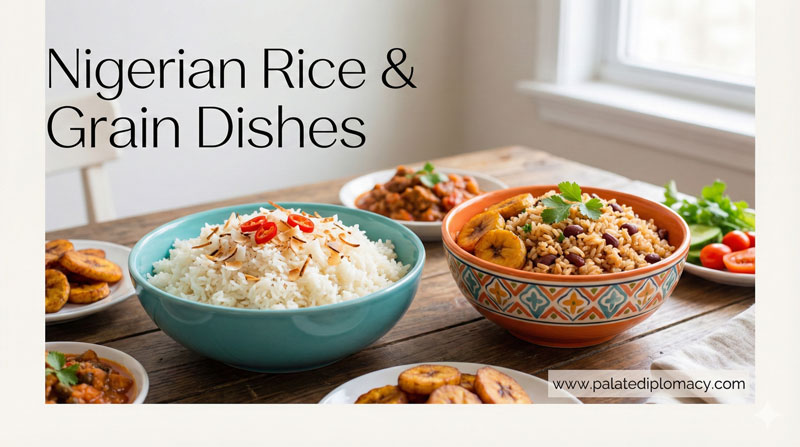
Jollof rice shines on its own, but it also pairs beautifully with a variety of accompaniments. A fresh salad or a crunchy slaw adds contrast, while fried plantains offer a sweet counterpoint. Grilled or fried proteins provide additional texture and richness, and a simple salsa or relish can brighten the plate. Garnishes like sliced onions, fresh herbs, or a squeeze of lime can lift the dish, making each bite feel even more vibrant.
Techniques That Elevate the Dish
Cooks elevate jollof rice by balancing heat, time, and freshness. Use ripe tomatoes or quality tomato paste for a robust base. Sauté onions and peppers to unlock their sweetness before adding rice and liquid. Layer spices thoughtfully, then reduce the heat as the rice cooks to avoid over-simmering. A gentle simmer allows grains to absorb the sauce evenly, resulting in a cohesive, flavorful final dish. Taste as you go, adjusting salt and acidity to keep the flavors in harmony. These practical steps highlight the artistry behind a great pot of jollof rice without overwhelming the natural character of the ingredients.
A Timeless Yet Modern Favorite
Today, jollof rice remains a versatile, beloved dish that travels beyond borders through its universal appeal. It bridges generations and kitchens with its confident flavors and approachable technique. The dish invites cooks to honor tradition while adding personal flair, making each preparation a personal expression of care and craft. In this way, jollof rice stands as a celebration of Food Culture—welcoming, respectful, and wonderfully flavorful.
Final Thoughts
Discovering the bold flavors of jollof rice is an invitation to slow down, savor, and share. The dish embodies warmth, skill, and a deep appreciation for ingredients transformed through thoughtful cooking. As you explore its many regional twists and comforting textures, you’ll notice How It brings people together and elevates everyday meals into something memorable. In every pot, there is a tale of color, aroma, and togetherness—the heart of a cuisine that values community, craft, and the joy of good food.