
Discover the Bold Flavors of Ogbono Soup
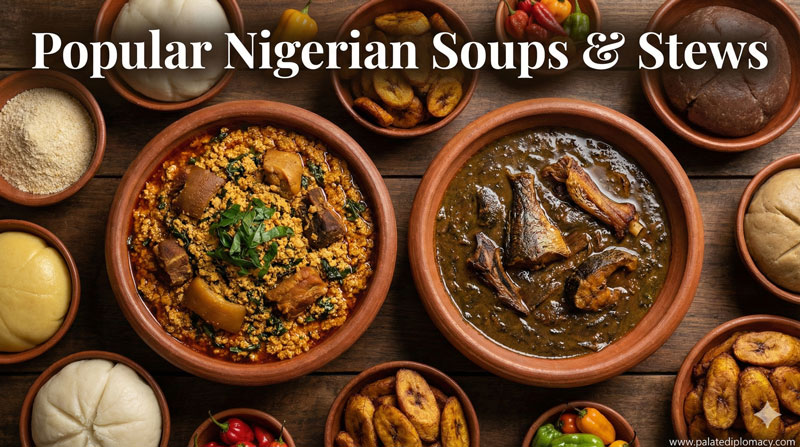
Ogbono soup welcomes you with a bold, earthy aroma. It holds a cherished place in many West African kitchens. This dish blends nutty seeds, bright peppers, and silky palm oil into a comforting, memorable experience. It invites friendly conversations and slow savoring. Each spoonful carries a sense of place, memory, and shared meals. The dish stands as a bridge between flavors and people, inviting cooks and guests to enjoy together.
What is Ogbono Soup?
Ogbono soup uses ground ogbono seeds, sometimes called wild mango, as the thickener. Chefs simmer the paste with stock, palm oil, and spices. Meat, fish, or shrimp join the pot for depth. Crayfish, onions, and peppers lift the flavor. The result is a hearty, viscous soup that clings to a starchy staple like pounded yam or fufu. The balance of nutty seed, spicy heat, and rich oil makes every bowl comforting and distinctive.
The Role of Ogbono Seeds and Palm Oil
Ogbono seeds provide the signature texture and a subtle, earthy sweetness. When ground, they release a natural mucilage that gives the soup its pleasing thickness. Palm oil adds color, aroma, and a smooth richness. Together, they create a foundation that welcomes other ingredients without overpowering them. Fresh vegetables, dried shrimp, or a hint of local herbs can brighten the pot. The seeds and oil carry a sense of harvest and craft in every pour.
Texture, Aroma, and Cooking Technique
The texture is a key story in ogbono cooking. The soup feels silky and slightly viscous on the tongue. Chefs stir with intention, often in a gentle spiral to Avoid lumps. The aroma rises from simmering stock, spices, and the bright heat of peppers. As flavors meld, the dish becomes round and inviting. The cooking tempo invites careful attention, turning preparation into a shared ritual rather than a rushed task.
Cultural Value: Family, Gatherings, and Heritage
Ogbono soup shines in family kitchens and communal spaces. It is a dish that brings people to the table, often during Sunday meals and festive occasions. The recipe travels through generations, evolving with each cook while preserving core techniques. It pairs with staple foods like fufu or pounded yam, reinforcing a sense of home and belonging. Sharing a bowl can spark stories, laughter, and a feeling of connection that lasts beyond the meal.
Regional Variations and Modern Twists
Across communities, cooks adapt ogbono to local tastes. Some add specific meats or fish, while others emphasize particular spices or herbs. Variations honor tradition while inviting creativity. Modern twists may include lighter broths, alternative greens, or different levels of heat, yet The Heart of the dish remains: a comforting, nutrient-rich soup that celebrates flavor and technique. These shifts demonstrate how culinary culture lives and grows with its makers.
Serving Traditions and Everyday Meals
Ogbono soup is often served in wide bowls with generous portions of fufu or pounded yam on the side. The act of dipping and twirling starchy staples through the thick, fragrant soup creates a satisfying rhythm of bite and swallow. It is a meal that invites slow savoring and shared conversation. In homes and eateries alike, this dish embodies warmth, hospitality, and the beauty of cooking as a living tradition.