
The Story Behind Boli, a Nigerian Food Favorite
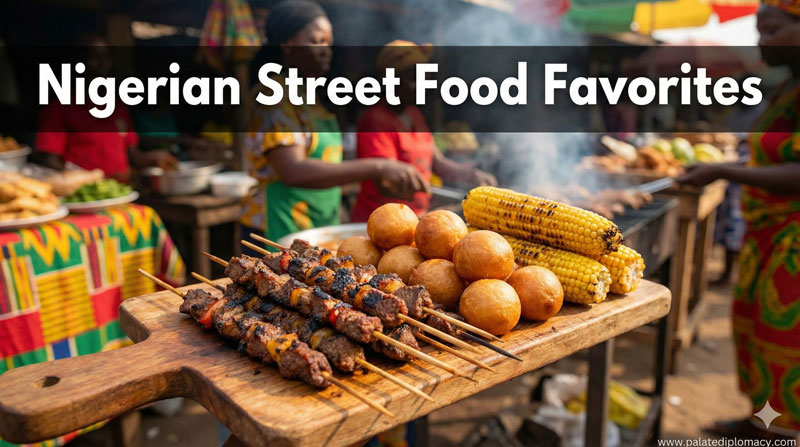
Boli is a beloved Nigerian snack built on two simple stars: ripe plantains and open flame. The fruit becomes a smoky, caramel-sweet bite that many households recognize from market days and street corners. Its beauty lies in how a humble ingredient transforms under fire into something both comforting and celebratory. Each bite carries a memory of gatherings, laughter, and the easy rhythm of daily life.
A Celebration of Simplicity and Community
Boli shines because it invites connection. Vendors share stories with customers as the plantains roast, a small dialogue anchored by aroma and anticipation. Families enjoy Boli after long days, and friends gather around a hot grill to trade news as much as to trade bites. The product remains simple, but its social value is rich: it marks moments of togetherness and offers a welcoming doorway into Nigerian street Food Culture. The dish teaches patience and appreciation—waiting for the plantains to soften and the sugars to caramelize is part of the experience.
The Art and Science of Grilling
The preparation centers on technique and timing. Choose plantains that are ripe but not overripe; their skins show yellow with brown specks, signaling natural sweetness. The skin is often peeled, and the fruit is grilled over moderate heat to Avoid scorching while achieving a crisp exterior. The outer layer gains a subtle char, while the inside stays tender and sugars caramelize. The smoke from the fire adds depth, turning a simple fruit into a layered flavor. Turning the plantains at just the right moments prevents burning and creates even color and aroma.
Flavor, Texture, and Pairings
Boli offers a balanced profile: a smoky savor, a gentle sweetness, and a soft, warming interior. Its natural flavors stand strong on their own, yet many enjoy it with a partner. A traditional pairing is a smooth peanut sauce—roasted groundnuts blended with a touch of pepper, salt, and oil to create a nutty, creamy dip. Some prefer a pepper sauce for a brighter kick, which complements the plantain’s sweetness. The contrast between the smoky fruit and the creamy or spicy dip highlights the culinary craft behind Boli. These pairings underscore how Nigerian cuisine often builds flavor through simple, well-chosen components working in harmony.
Social Heartbeat: Moments of Sharing
Boli is more than a snack; it’s a signal of welcome. In many neighborhoods, the aroma greets passersby and invites them to pause, chat, and enjoy a few bites. The experience often centers on sharing a plate, dipping a slice, and passing the sauce cup as a sign of hospitality. In this way, Boli becomes a vehicle for language—voices rise with laughter, and stories travel easily over the sound of sizzling grills. The dish fosters a sense of place, allowing people to feel connected to a neighborhood, a market, or a family kitchen.
Regional Touches and Small Variations
Across Nigeria, you may find subtle differences in how Boli is presented. The core remains grilled plantains, but vendors may offer variations in size, ripeness, or dipping sauce. Some serve Boli with a small portion of groundnut sauce in a paper cup, while others plate the fruit alongside a spicy dip. Leaves or simple wraps can accompany the plate to keep the fruit warm longer. These small touches reflect regional taste preferences and the creativity of cooks, while the essence of the dish—the ripe plantain grilled to perfection—stays constant.
At-Home Tips to Recreate Boli
- Select ripe plantains with yellow skins and dark specks.
- Grill on medium heat, turning every few minutes until evenly charred.
- Let the fruit rest briefly after cooking to settle its flavors.
- Prepare a peanut sauce by blending roasted peanuts, a little oil, salt, and a hint of chili.
- Serve warm, with the sauce on the side for dipping, or drizzle lightly over the slices.
A Respectful Note on Ingredients and Craft
Boli honors simple ingredients chosen with care. The quality of ripe plantains and the patience of the grill define the dish more than any fancy technique. When you enjoy Boli, take a moment to notice the aroma, the texture, and the balance of smoke and sweetness. This quiet elegance is at The Heart of its cultural value and culinary significance.
In the end, Boli stands as a flavorful ambassador of Nigerian food culture. It invites you to slow down, savor a moment, and appreciate how a modest flame and a ripe fruit can create a shared experience that feels both timeless and warmly modern.