
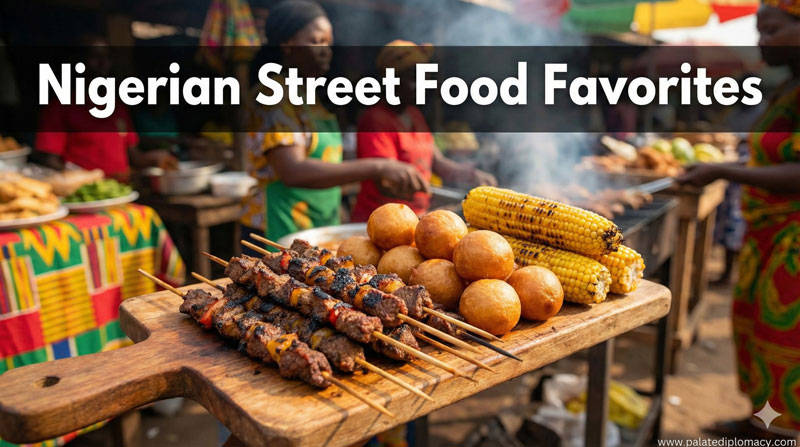
The Story Behind Boli, a Nigerian Food Favorite
Boli is roasted plantain, A Beloved treat across Nigeria. Its warm aroma draws people in from streets, markets, and family kitchens. This dish stands as a quiet testament to craft, patience, and shared enjoyment.
The Plantain: A Gift from the Land
Plantains are a everyday staple that travelers and cooks honor. They come in stages of ripeness, shaping flavor and texture. For Boli, the sweetness of a ripe plantain meets the heat of the flame in a simple, generous way.
Fire, Smoke, and Flavor
Vendors place plantains on charcoal and turn them slowly. The skin blackens, the flesh softens, and a gentle caramel forms inside. The smoke whispers of fire and time, lending depth that few other snacks can match.
A Shared Moment: Boli in Daily Life
Boli travels with people from dawn to dusk. It appears on park benches, at market corners, and during family gatherings. The ritual of sharing a hot plantain invites conversation, smiles, and a sense of connection.
Pairings: Groundnut and Pepper Sauce
Two pairings shine with Boli: groundnut (peanut) sauce and pepper sauce. The creamy crunch of groundnut adds richness, while pepper sauce brings bright heat and freshness. A pinch of salt or a squeeze of lime can lift the flavors without overpowering them.
Regional Voices: Flavor Variations
Across Nigeria, cooks adapt Boli to local tastes. Some prefer a bolder pepper sauce, others favor a sweeter, more caramelized plantain. The method remains simple, yet the flavor carries a regional fingerprint that tells a quiet story of place and practice.
Quick Guide: Enjoying Boli at Home
- Choose ripe plantains with a yellow skin and dark spots for natural sweetness.
- Roast on a grill or skillet over medium heat, turning until the skin is blistered and the inside is soft.
- Serve with groundnut sauce or pepper sauce for a balanced bite.
- Let it rest briefly after roasting to keep the warmth and soothe the flavors together.
In Closing: A Timeless Favorite
Boli captures a moment of shared culture in a single bite. It celebrates the land, the flame, and the people who savor simple, comforting food. This dish remains a welcoming symbol of Nigerian Food Culture.