
The Story Behind Boli, a Nigerian Food Favorite
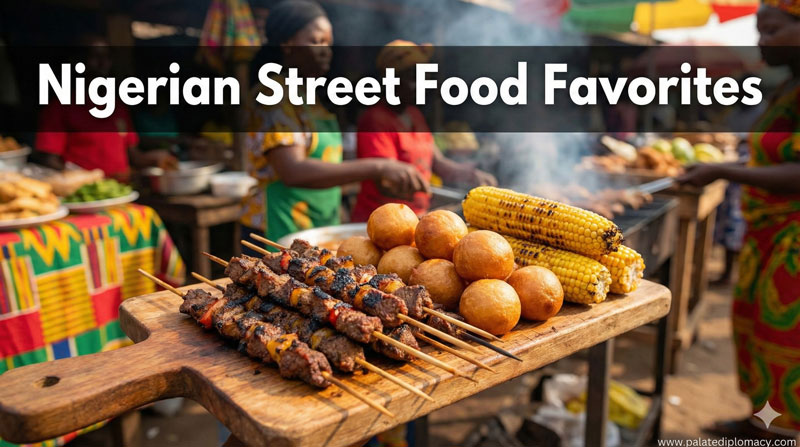
Boli is more than a snack. It is a warm, everyday ritual that brings people together. The scent of roasted plantain curling in the air signals a moment to pause and share. In many Nigerian neighborhoods, a charcoal grill glows at sunset, and a vendor turns ripe plantains with a steady, practiced hand. The result is a caramelized sweetness wrapped in a smoky, inviting aroma. Boli speaks softly of home, welcome, and community. It invites conversation, laughter, and a simple sense of belonging.
What Makes Boli Unique: Preparation and Flavor
Boli begins with ripe plantains, whose sugars glow as they warm. The plantains are peeled and laid over an open flame or grill. The heat caramelizes the sugars, creating a glossy, golden rim and tender interior. The texture is a gentle contrast: crisp edges with a soft, creamy center. The fragrance blends smoke, fruit, and a hint of sweetness. Most commonly, people enjoy Boli with a crisp peanut sauce or a drizzle of palm oil. A sprinkle of salt or a light dash of pepper can lift the flavors, depending on personal taste. The beauty of Boli lies in its simplicity: simple ingredients, patient turning, and a finish that feels comforting and bright.
The Cultural Fabric: Boli in Daily Life
Across many Nigerian communities, Boli threads itself through daily life. It appears as a popular street treat, a companion at market days, and a familiar highlight after work. Families gather around a roadside grill, sharing stories as the plantains roast. The activity of preparing Boli becomes a social moment, a reason to greet neighbors and exchange goodwill. Compact in size and rich in flavor, Boli is easy to share, making it ideal for casual gatherings, picnics, or a quick afternoon treat. In this way, Boli acts as a bridge between strangers and friends, turning a simple recipe into a social ritual.
Regional Nuances and Varieties
Though the technique is consistent, small regional touches color the Boli experience. In some places, the emphasis is on pairing with groundnut sauce, while others favor a touch of palm oil for a richer finish. The ripeness of the plantain can vary the sweetness and texture, shaping How It pairs with sauces and sides. Local grills, charcoal quality, and even banana leaf wrapping can add subtle differences in aroma. Yet the core idea remains the same: a roasted plantain that celebrates the fruit’s natural sweetness and the warmth of communal sharing.
The Craft of Boli Vendors: Skill and Rhythm
Behind every good plate of Boli is careful technique. Vendors watch the plantains closely, turning them so the heat distributes evenly. They balance flame strength with cooking time, letting the sugars caramelize without scorching. This craft creates a consistent texture and a mouthwatering balance of smoky and sweet notes. The seller’s rhythm—pause, rotate, test, smile—adds a human touch that makes Boli feel personal and welcoming. The result is a bite that is both comforting and lively, inviting another round and another conversation.
Savoring Boli at Home: Practical Tips
You can recreate the magic of Boli at home with a few simple steps. Choose plantains that are ripe but still firm, with yellow skins and a few brown specks. Peel and roast over a hot grill, a grill pan, or under a broiler, turning occasionally until the edges are roasted and the interior is soft. If you like, finish with a light drizzle of palm oil or a small scoop of peanut sauce for dipping. Wrap the plantains in a banana leaf or a clean cloth as they rest to retain warmth and aroma. Serve alongside a small bowl of groundnut sauce or a spicy pepper sauce for a gentle contrast of heat and sweetness. The home cook can enjoy Boli as a quick snack, a companion to a peaceful afternoon, or a simple centerpiece for a small gathering.
A Taste of Hospitality: Why Boli Endures
Boli endures because it embodies hospitality. Its preparation invites participation, its aroma signals welcome, and its flavors offer familiar comfort. It celebrates abundance—ripe fruit, attentive fire, and the joy of sharing. In every bite, there is a memory of markets, family meals, and casual conversations that linger long after the last bite. The story of Boli is a story of everyday beauty: simple ingredients, careful craft, and a sense of home that travels with you in the form of a warm, smoky bite.
Conclusion: A Dish That Elevates Everyday Moments
In Nigerian Food Culture, Boli stands as a quiet ambassador of companionship and joy. It invites people to slow down, notice the aroma, and savor the moment together. Whether enjoyed on a bustling street, at a family gathering, or in a cozy kitchen, Boli reminds us that food can be a gracious platform for connection. The dish remains beloved because it blends flavor, craft, and community into a single, unforgettable bite.