
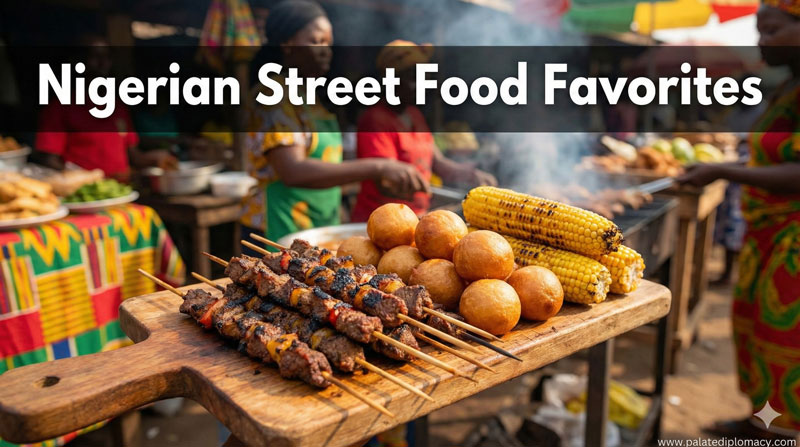
The Story Behind Boli, a Nigerian Food Favorite
Boli is more than a snack. It is a warm invitation to pause, share, and enjoy the moment. In many Nigerian neighborhoods, you will find Boli on street corners, at markets, and after long days of work. Its appeal lies in the simple harmony of ripe plantain, charcoal smoke, and a scoop of groundnut sauce. The dish carries a quiet poetry—the sweetness of the fruit, the kiss of fire, and the joy of passing a bite to a neighbor. This is The Story of Boli as a beloved staple in everyday Food Culture.
What is Boli?
Boli is roasted plantain, usually made with ripe fruit. The plantains are peeled and held close to a steady flame until the skins blister and turn dark. Inside, the fruit becomes soft, fragrant, and lightly caramelized. The method highlights natural sweetness and a subtle smoky note. Many people enjoy Boli with a peanut sauce, and some add a touch of pepper or palm oil for warmth. The combination is accessible, comforting, and easy to share with others.
The Craft of Making Boli
Crafting Boli blends technique with care. First, choose plantains that are ripe but firm enough to hold their shape. Next, arrange them over a steady bed of charcoal or heat. Turn the fruit slowly, allowing an even roast and a gentle char. When the skins blister and blacken, the plantains are ready. Let them rest briefly before slicing. A light brush of salt or a whisper of oil can enhance the surface gloss. The groundnut sauce, often smooth yet with a bit of bite, completes the plate and invites dipping, not just eating.
Cultural Value and Social Moments
Boli shines in social spaces. It appears after a day’s work, during casual gatherings, and at neighborhood strolls. Friends and family share a plate, exchange stories, and savor the same bite at roughly the same time. The ritual of passing a slice, dipping into peanut sauce, and offering a second piece strengthens bonds and creates a sense of belonging. In this way, Boli becomes a quiet thread that ties people together, turning a simple food into a shared memory.
Flavor, Texture, and Pairings
The flavor profile centers on warmth and balance. The plantain offers a natural sweetness that deepens with each bite. The outer char brings a gentle smokiness, while the inside remains tender and comforting. Peanut sauce provides a creamy, nutty counterpoint with a natural richness. Pepper or salt can spark a small glow of heat. Together, they create a comforting duo: soft fruit and a savory dip, ready for a friendly exchange.
Regional Variations and Techniques
Across Nigeria, you may notice small differences that enrich the dish. In some areas, the fruit rind is roasted a touch longer for a stronger smokiness. The groundnut sauce may be thinner or chunkier, with added onion, tomato, or a hint of spice. While the core of Boli stays constant—roasted plantain and a flavorful partner sauce—the regional touches celebrate local tastes and habits. These nuances help Boli feel both familiar and delightfully diverse.
Serving Traditions and Etiquette
Boli shines best when shared thoughtfully. Serve on a clean surface, preferably with a simple napkin or paper wrap. Offer the peanut sauce on the side or in a small cup for dipping. Hold the plantain by the stem, peel as needed, and savor the tender interior with a gentle bite. In many homes and streets, a plate of Boli is a signal of hospitality and welcome, inviting guests to linger a little longer and enjoy the moment together.
A Living Tradition of Taste and Community
The story of Boli is a story of taste meeting tradition. It celebrates simple ingredients prepared with care and enjoyed in good company. The smoky scent, the soft texture, and the creamy sauce come together to tell a gentle narrative of Nigerian food culture. Boli reminds us that great flavor can emerge from everyday acts of cooking and sharing. It is a favorite not only for its taste but for its ability to bring people together, one bite at a time.