
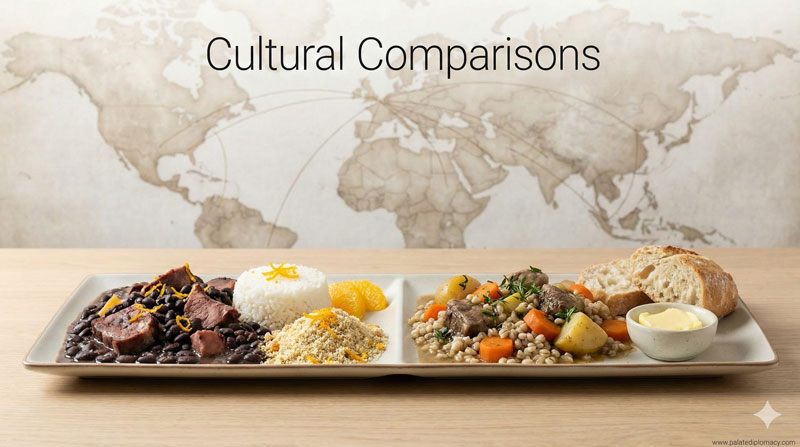
Exploring the Rich Tapestry of Brazilian vs Caribbean Flavors
Food is a celebration of culture, tradition, and creativity. Among the most vibrant culinary traditions are the flavors of Brazil and the Caribbean. Each region offers a distinctive palate that reflects its unique natural ingredients, history, and local tastes. The dish “Brazilian vs Caribbean Flavors” embodies this diversity, showcasing the profound cultural significance of each culinary style. Let’s delve into the beauty and culinary richness of these two extraordinary flavor profiles.
The Heart of Brazilian Flavors
Brazilian Cuisine is a colorful mosaic of tastes inspired by its vast landscapes and diverse ecosystems. It features a harmonious blend of indigenous ingredients and influences from Portuguese settlers. Common ingredients include black beans, cassava, fresh fruits, and a variety of fresh herbs. Dishes like feijoada—a hearty Black Bean stew with pork—highlight the comfort and richness of Brazilian cooking.
Brazilian flavors emphasize bold, yet balanced tastes. The use of ingredients like lime, garlic, and cilantro creates a fresh, vibrant profile that awakens the senses. Coastal regions introduce a love for seafood, with dishes such as moqueca, a flavorful fish stew flavored with coconut milk and dendê oil. These flavors reflect Brazil’s warm climate and its connection to nature, offering a sense of vitality and celebration.
The culinary significance of Brazilian flavors lies in their ability to unite communities and celebrate the country’s natural bounty. Food is an integral part of social gatherings, festivals, and everyday life, making Brazilian cuisine a symbol of warmth and conviviality.
The Vibrant World of Caribbean Flavors
Caribbean flavors are renowned for their bright, lively, and often spicy profile. Each island adds its own twist, but all share a love for bold seasonings like allspice, ginger, and hot peppers. The use of tropical fruits such as mango, pineapple, and plantains adds natural sweetness and complexity to many dishes.
Popular Caribbean dishes like jerk chicken and curried goat showcase the region’s mastery in balancing heat with aromatic spices. Coconut milk, lime, and fresh herbs are frequently used to enhance flavors, giving the dishes a fresh and zesty character. The Caribbean palette celebrates the abundance of the sea and land, incorporating fresh seafood, tropical fruits, and root vegetables.
Caribbean flavors hold cultural importance by reflecting the region’s joyful approach to food and life. They are often associated with lively festivals, dancing, and community bonding, emphasizing the role of cuisine as a living tradition that fosters connection and celebration.
Comparing the Culinary Significance
While Brazilian and Caribbean flavors differ in their ingredients and preparations, both showcase the abundance of their natural environments. Each culinary style pays homage to local ingredients and cooking techniques that have been passed down through generations. Both highlight the importance of sharing meals as a way of fostering community and expressing cultural identity.
Brazilian cuisine tends to lean toward hearty, comforting dishes with a focus on beans, rice, and fresh herbs. Caribbean flavors are characterized by their piquancy and zest, often combined with tropical sweetness. Both regions celebrate their unique landscapes through their food, creating a rich tapestry of flavors that invite exploration and appreciation.
The Invitation to Experience
“Brazilian vs Caribbean Flavors” is more than a culinary comparison; it is an invitation to experience two vibrant worlds of taste. Each offers a window into the soul of its culture, revealing a deep connection to land, sea, and community. Whether you prefer the bold, hearty dishes of Brazil or the lively, spicy notes of the Caribbean, both culinary traditions promise a delicious journey filled with warmth, color, and history.
Engage with these flavors, appreciate their cultural richness, and let your palate discover the stories told through every bite. The beauty of these cuisines lies in their ability to bring people together and celebrate the diversity of life’s simplest and most profound pleasures—food.