
Why Callaloo Is One of the Caribbean’s Most Loved Dishes
Callaloo holds a bright place in Caribbean kitchens. It brings color, aroma, and a steady sense of home to the table. Across islands and towns, people welcome its creamy greens with warmth and curiosity. The dish invites conversations about harvests, family favorites, and the simple joy of sharing a meal. Its appeal rests in balance: fresh greens, gentle sweetness from coconut, and a comforting, lingering finish.
What Makes Callaloo a Staple
Callaloo feels timeless because it adapts to many hands and pans. It uses greens that are easy to find, and it yields a nourishing, appetizing result with relatively few steps. The dish pairs beautifully with staples like rice, dumplings, or fried plantains, which makes It a versatile centerpiece or a satisfying side. People appreciate how it can be prepared quietly for weeknights or dressed up for special occasions. In every version, the core idea remains the same: greens transformed into something creamy, savory, and welcoming.
The Core Ingredients and Their Roles
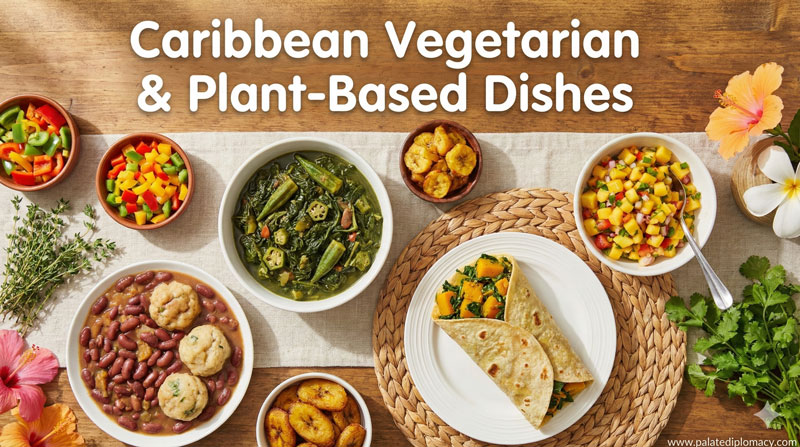
The Heart of callaloo is leafy greens, often dasheen or spinach, gently cooked until tender. Coconut milk adds a silky texture and a mild sweetness that rounds the greens. Okra contributes body and a touch of velvet texture as it softens in the pot. Aromatics like onion, garlic, and scallions provide depth, while thyme and a hint of pepper lift the flavor. Some cooks fold in saltfish, crab, or ham for extra protein and character; others keep it vegetarian to highlight the greens and coconut. Each component has a clear purpose, and together they create a harmonious, comforting bowl.
Regional Variations Across the Caribbean
Across the region, callaloo takes on local personality while honoring the same spirit. In some places, the greens are blanched and puréed until smooth, then blended with coconut for a velvety soup. In others, the mixture remains a chunky, greens-forward stew with a mild, spoonable texture. The choice of greens shifts too: dasheen leaves, spinach, or amaranth can all shine, depending on what’s fresh. Spices may be brighter or subtler, and the presence of seafood or meat adds a savory twist. No matter the variation, the dish stays a showcase of fresh greens, gentle heat, and generous hospitality.
The Craft: From Pot to Plate
Start with clean, chopped greens and aromatics. Sauté onion and garlic to release their fragrance, then add the greens and a splash of water or stock. Pour in coconut milk and let the mixture simmer slowly. Stir gently as the greens soften and take on a creamy complexion. For a silkier texture, some cooks reserve a portion of the greens to blend lightly and reincorporate. Finish with a pinch of salt and thyme. The process is calm and focused, turning simple ingredients into a comforting, cohesive dish.
Serving Traditions and Pairings
Callaloo shines beside starches that soak up its richness. Serve it with white rice or rice and peas, cornmeal dumplings, or fried plantains. A light piece of fish or a soft fried bread can complement the greens, but many cooks also enjoy it on its own as a satisfying bowl. The aroma invites everyone to the table, and the color signals a celebration of fresh greens. In many homes, a squeeze of lime at the end brightens the dish and adds a final spark of freshness.
Callaloo in Everyday Life
This dish appears in kitchens at the start of a week and at the heart of weekend gatherings. Market stalls often feature bright greens that become callaloo by late afternoon. Families learn the rhythm of the pot: a little greenery, a little coconut, and a lot of warmth. Callaloo also appears in small eateries, where the creamy greens are served steaming hot with a crusty side or a soft roll. The consistency is its strength: comforting, dependable, and always inviting.
A Dish for All Seasons
Greens are a constant staple, thriving in different climates and seasons. Coconut milk brings a tropical creaminess that feels year-round, while peppers and thyme offer bright notes in any season. The dish adapts quickly to what’s on hand, making it a practical choice for everyday meals and festive menus alike. It remains a favorite because it can be modest or indulgent, depending on how it’s prepared.
The Sensory Experience: Taste, Texture, Aroma
Expect a gentle sweetness from coconut and greens, balanced by a savory, soft richness. The texture blends creamy silk with tender chunks of greens and, if included, pieces of seafood or meat. The aroma is inviting: nutty coconut, caramelized onion, fresh herbs, and a hint of pepper. The final bite lingers with a comforting warmth and a clean, refreshing finish.
Quick Guide to Making Callaloo at Home
- Gather greens, coconut milk, onion, garlic, scallions, thyme, and optional peppers.
- Sauté aromatics until fragrant.
- Add greens and a small amount of liquid; simmer until tender.
- Stir in coconut milk and continue to cook gently.
- If desired, blend a portion for a smoother base, then mix back in.
- Season to taste with salt, pepper, and a touch of lime juice.
- Serve with rice, dumplings, or plantains.
Callaloo is more than a dish; it is a quiet celebration of greens, coconut, and community. Its charm lies in its adaptability, its comforting texture, and the way it invites friends and family to share a nourishing, flavorful meal. Whether you encounter it in a busy market kitchen or a family restaurant, callaloo welcomes you with the warmth and beauty of Caribbean cooking.