
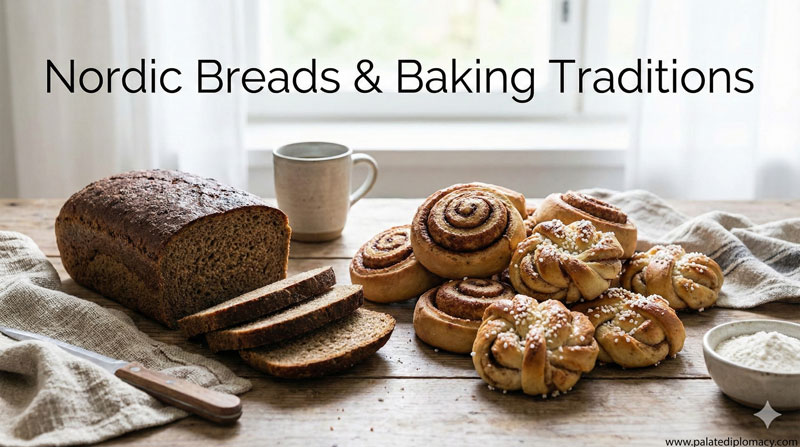
The Flavor and Philosophy Behind Cardamom Buns
The Cardamom Buns we now see in Nordic bakeries carry more than sweetness. They embody a philosophy of warmth, thoughtful craft, and shared moments around a table. Cardamom, with its citrus-tinged perfume and resinous finish, pairs with a soft, enriched dough to create a bun that feels both bright and comforting. In Nordic Cuisine, flavor often speaks plainly of season and simplicity. Yet cardamom adds a bright spark that lifts ordinary pastry into something memorable. The dish invites curiosity, inviting bakers and diners to linger at the crumb and aroma.
A Symbol of Nordic Cozy: Fika and Beyond
Fika is more than a break for coffee. It is a gentle ritual of pause, conversation, and companionship. Cardamom buns fit this moment perfectly. The warm scent welcomes guests, and the soft bite invites a long, relaxed breath between bites. When shared, the bun becomes a small gift of care. In homes and cafés alike, the routine becomes a celebration of everyday life. This cultural habit deepens the reputation of cardamom buns as a comforting emblem of Nordic hospitality.
The Craft: Dough, Spice, and Technique
The craft begins with a tender, enriched dough. Milk, butter, sugar, and a touch of eggs create a supple base. Yeast wakes slowly, giving a gentle rise that yields a plush crumb. Cardamom seeds are crushed and blended with sugar, releasing aroma as they mingle with the dough. The filling often includes a butter-sugar spread that caramelizes softly during baking. The final braid or twist captures lightness and scent in every layer. Precision in rolling, shaping, and glazing matters as much as flavor.
Regional Variations Across Nordic Countries
Nordic kitchens celebrate cardamom buns with regional charm. In Sweden, kardemummabulle is an iconic expression of the spice in a looped and fluffy form. Finland often embraces cardamom within pulla, pairing it with milk richness and a gentle sweetness. Norway shares the love for aromatic buns, weaving cardamom into doughs alongside comforting spices. Denmark and Iceland feature similar traditions, where cardamom anchors flavor alongside cinnamon and vanilla. Across these lands, the same Heart of the bun appears in diverse shapes and textures, each reflecting local taste.
Seasonal Contexts and Celebrations
Cardamom buns brighten the kitchen through the year, yet they feel especially at Home in winter and autumn. The warm aroma fills rooms on chilly days, inviting a sense of coziness. They appear at family gatherings, market mornings, and café corners, enriching small rituals with fragrance and texture. Seasonal berries, nuts, or glazes can accent the classic recipe, always preserving the essential balance of spice and softness. This adaptability deepens their place in Nordic menus and daily life.
Modern Reimaginings and Global Appeal
Today, bakers worldwide experiment with cardamom buns while honoring Nordic roots. Some add pear, almond, or lemon zest to brighten the filling. Others explore different glazes that catch the light and balance sweetness. Yet the core remains constant: a fragrant spice, a tender crumb, and an aura of welcome. The global interest underscores the dish’s culinary significance. It speaks to technique, aroma, and the joy of sharing a well-made bun.
The Culinary Significance in Nordic Kitchens
Cardamom buns exemplify the essence of Nordic baking: simple, high-quality ingredients treated with care. They celebrate aroma as much as texture, inviting bakers to respect time, temperature, and balance. In kitchens across the region, bakers rely on precise technique to coax flavor from spice and dough alike. The result is a pastry that conveys warmth, hospitality, and refined taste. In this way, cardamom buns enrich Nordic cuisine by linking memory, craft, and daily delight.